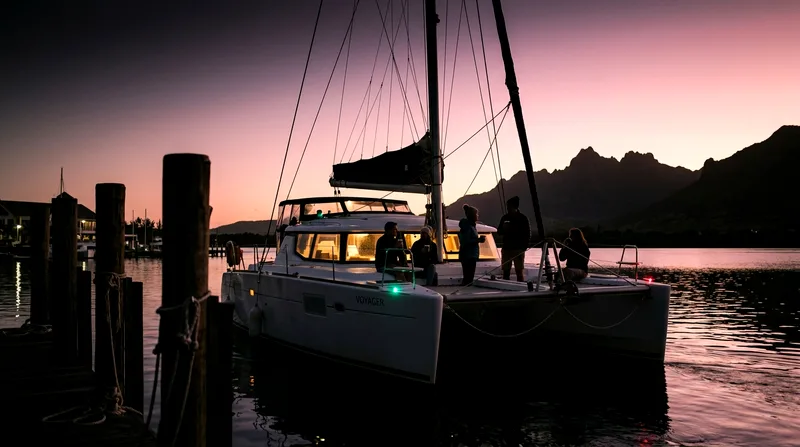
Mauritius Sunrise Boat Tours: Early-Morning Departures
Mauritius sunrise boat tour guide: why calm seas, dolphin odds, and golden light make early departures worth it. Compare tour types before booking.
9 min read · 8 Oct 2026
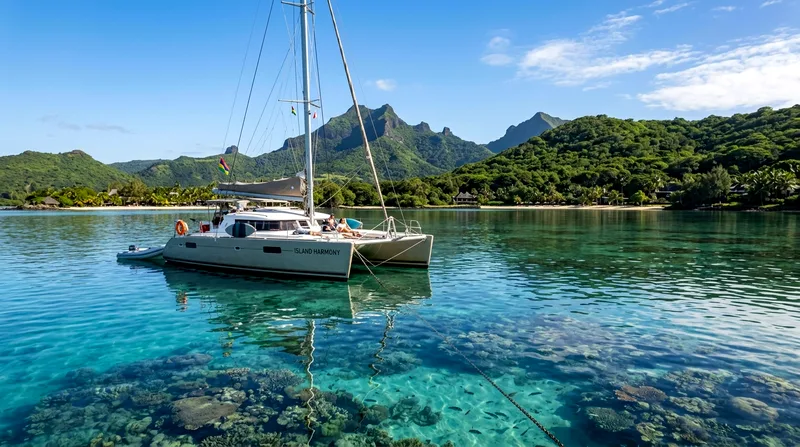
Best Time for Mauritius Boat Tours
Plan your Mauritius boat tour with a month-by-month guide to weather, sea conditions and visibility. Avoid cancellations and pick your ideal season.
Mauritius sits in the Indian Ocean roughly 2,000 km off the African coast, far enough south to avoid the equatorial doldrums but squarely in the path of seasonal cyclone activity. That geography splits the year into two broad boat-touring seasons, and the best time for Mauritius boat tours depends heavily on which one you land in. There's a dry season from May to November and a wet, warmer season from December to April — and the difference between them isn't subtle once you're on open water.
Tropical climates get romanticized as uniformly pleasant, but Mauritius's ocean conditions swing hard between these two halves of the year. Catamaran cruises along the west coast, glass-bottom boat trips over the lagoon reefs, and whale or dolphin tours off the coast at Tamarin all depend on sea state more than air temperature. A warm, sunny day can still have 2-meter swell and 25-knot wind making a trip miserable or cancelled outright.
The southeast trade winds blow fairly consistently from May through September, which sounds like a negative but actually stabilizes sea conditions on the sheltered west and northwest coasts where most tour operators launch from. These trades keep skies clearer and rainfall low, even if they occasionally kick up swell on the exposed south and east coasts. The wet season reverses this: trade winds weaken, humidity and rainfall spike, and the cyclone belt that sits north of Madagascar can send storms directly over Mauritius between January and March. This isn't a minor seasonal shift — it's the single biggest variable in whether your boat tour runs as booked.
July and August are peak season for a reason — reliable wind patterns, minimal rain, and comfortable sea temperatures around 23-24°C. But peak season also means higher prices and busier boats, particularly on popular dolphin-watching routes out of Tamarin and Rivière Noire. Shoulder months — May, June, October and November — often give you nearly identical sea conditions with 15-20% lower demand. I'd pick November over August if you're flexible: water temperature is already climbing toward 26°C, crowds are thinner, and cyclone risk hasn't really started yet. The trade-off is slightly less consistent wind, so double-check forecasts the week before.
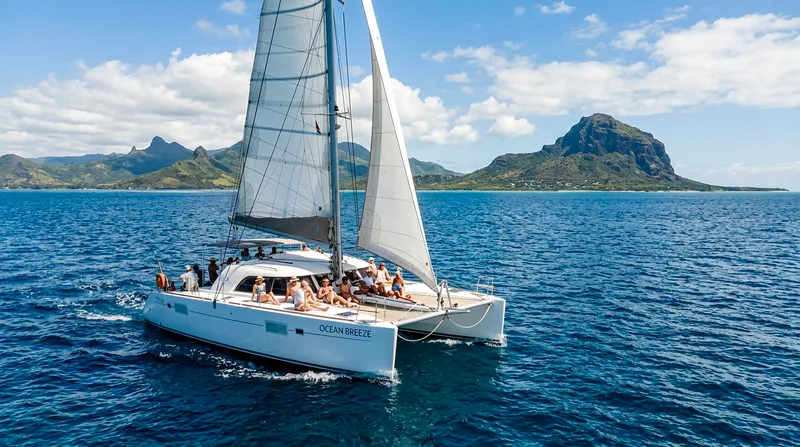
This is the period most operators and divers quietly mean when they say "the season" in Mauritius. Rainfall drops sharply, humidity eases, and the ocean settles into a pattern that's genuinely good for boat-based activities rather than just tolerable. Air temperatures hover between 18°C and 25°C, cooler than the wet season but entirely comfortable on deck with a light jacket for early morning departures.
Underwater visibility on the lagoon reefs commonly reaches 15-20 meters during these months, compared to under 10 meters during heavy wet-season runoff periods. That matters directly for glass-bottom boat trips and snorkeling add-ons, where the whole point is seeing coral and fish clearly rather than squinting through churned-up sediment. Coral reef visibility depends on both swell (which stirs up sand) and rainfall runoff from rivers, and both are at their lowest from June through September. If snorkeling clarity is your priority over anything else, this four-month stretch is as good as Mauritius gets.
The southeast trades average 15-20 knots through the dry season, which is enough to keep catamarans moving nicely under sail but calm enough on the leeward west coast — where Grand Baie, Flic en Flac and Black River operators mostly launch — that most passengers won't notice discomfort. Swell on exposed southern and eastern shores can still reach 1.5-2 meters, so if your tour departs from the south coast near Blue Bay, expect more motion than a Grand Baie trip. Ask specifically which coast your tour launches from before booking; it affects comfort more than the month does.
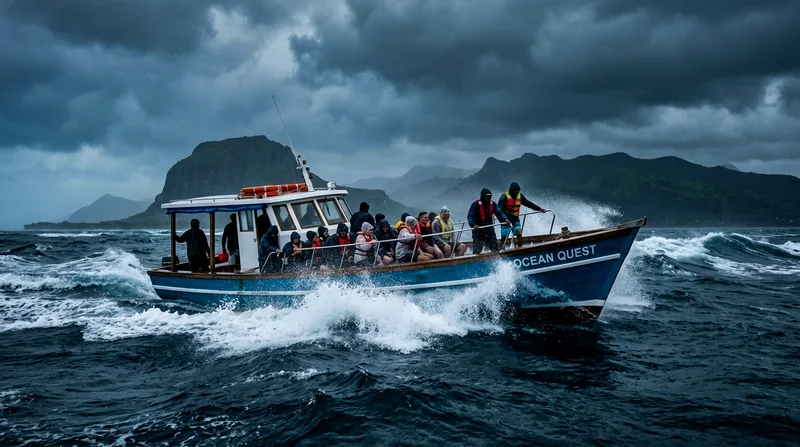
December through April brings warmer air (28-32°C), warmer sea water (up to 28-29°C), and a real risk of tropical cyclones, officially tracked by Mauritius Meteorological Services roughly between November and April with peak likelihood in January and February. This isn't a guide designed to scare you off entirely — plenty of boat tours run successfully through these months — but it's the season where you need a backup plan more than a tan.
Rain tends to arrive as short, heavy afternoon downpours rather than all-day drizzle, which actually works in your favor if you book morning departures. Sea surface temperature climbing toward 29°C is genuinely pleasant for swimming stops on a catamaran cruise — noticeably warmer than the dry season's 23°C. If warm-water swimming matters more to you than calm conditions, this season has an honest appeal that often gets overlooked in favor of blanket "avoid wet season" advice.
Cancellation rates climb meaningfully during January and February, driven by cyclone warnings and the rough swell that precedes and follows them even when the storm itself passes well clear of the island. Operators will typically offer a date change or refund when conditions breach safety thresholds, but that's little comfort if you've got three days on the island and both backup days are also blown out. I wouldn't book a once-in-a-trip whale watching or dolphin tour for your only full day in Mauritius during peak cyclone months — build in at least one buffer day.
Broad seasonal labels only get you so far — conditions shift noticeably within each season, and wildlife timing adds another layer. Dolphin sightings off Tamarin are strong nearly year-round, but the sperm and humpback whale season concentrates between July and October, so a whale watching tour booked in March will almost certainly come up empty regardless of sea state.
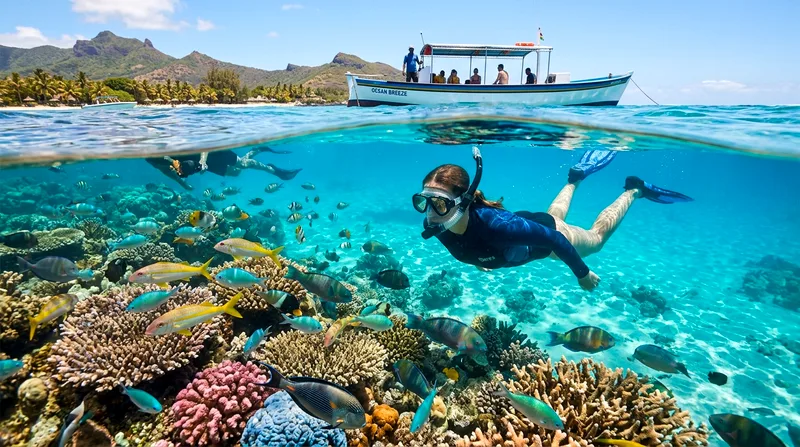
June through October offers the calmest seas, clearest water and lowest cancellation risk for Mauritius boat tours.
Best time for Mauritius boat tours by month: sea conditions, visibility and cancellation risk
| Period | Sea Conditions | Visibility | Cancellation Risk | Best For |
|---|---|---|---|---|
| May | Moderate, improving | Good | Low | Shoulder-season value |
| Jun-Aug | Calm, steady trades | Excellent | Very low | Whale watching, snorkeling |
| Sep-Oct | Calm | Excellent | Low | Snorkeling, catamaran cruises |
| Nov | Calm, slightly humid | Good | Low-moderate | Shoulder-season value |
| Dec-Feb | Rough, cyclone risk | Reduced | High | Warm-water swimming (flexible dates only) |
| Mar-Apr | Improving | Fair-good | Moderate | Budget travel, flexible itineraries |
Typical figures based on seasonal climate patterns; actual wind, swell and cyclone activity vary year to year, so check marine forecasts before you travel.
May eases out of the wet season with still-warm water (around 25°C) and improving visibility. June through August is the most settled stretch of the year: consistent 15-20 knot trades, swell generally under 1.5 meters on the west coast, and the lowest rainfall totals of the year — often under 80mm per month. This is also peak whale watching season, with humpback sightings most reliable from July. Air temperature dips to 18-22°C, so pack a windbreaker for early catamaran departures.
September and October extend the good conditions with rising sea temperature and still-low rain. November is a genuine shoulder month — good value, good weather, slightly rising humidity. December through February is peak cyclone risk; expect at least a handful of cancelled or rescheduled sailing days across the island during this stretch, even in years with no direct cyclone strike. March and April taper the risk down again, with sea conditions gradually calming and visibility improving as rainfall eases, making late April a reasonable, less-crowded alternative to May.
Once you understand the seasonal pattern, the decision becomes less about picking "the best month" in the abstract and more about matching your specific tour type and risk tolerance to the calendar.
A sunset catamaran cruise in Grand Baie is fairly forgiving — it runs in sheltered water and tolerates moderate swell, so you can book it comfortably from April through November without much worry. A glass-bottom boat or snorkeling trip is far more visibility-dependent, so it's worth steering toward June-October specifically. Whale watching is seasonally locked to July-October for humpbacks, while dolphin tours near Tamarin run most of the year with slightly better odds outside the roughest wet-season weeks. Deep-sea fishing for marlin and tuna peaks November through March in some areas, which is one of the few activities where wet-season timing actually works in your favor — just expect choppier rides out to the fishing grounds.
For dry-season trips (May-November), booking 2-4 weeks ahead is usually enough, though July and August fill faster given school holiday crowds from Europe and South Africa. For wet-season trips, book with more flexibility built in — choose operators or packages that allow free date changes, and avoid scheduling your only boat tour on the last full day of a short trip. Compare current boat tours and prices before you book, since availability and operator policies on weather cancellations shift season to season and are worth checking directly rather than assuming.
July through September offers the most reliable combination of calm seas, strong visibility and whale watching activity. If you want fewer crowds with nearly identical conditions, aim for late May, June or November instead — you'll trade a little wind consistency for lower prices and quieter boats.
Yes, tours run December through April, and warmer sea temperatures (up to 29°C) make swimming stops more comfortable. The catch is higher cancellation risk from cyclone warnings and rough swell, especially in January and February, so build flexible dates into any wet-season booking.
Book 2-4 weeks ahead for dry-season trips, especially July-August when European and South African school holidays increase demand. For wet-season trips, book with a flexible-date or free-rescheduling option rather than locking in a single fixed day, since weather-related changes are more common.
Operators typically cancel or postpone when swell exceeds roughly 2 meters, sustained wind passes 25-30 knots, or a cyclone warning is issued by Mauritius Meteorological Services. Heavy rain alone rarely cancels a trip, but the swell and wind that often accompany wet-season storms do.
Generally yes — licensed operators monitor marine forecasts closely and won't sail in unsafe conditions. The real risk isn't safety so much as disruption: cyclone season (roughly November to April, peaking January-February) brings a meaningfully higher chance your trip gets rescheduled or cancelled rather than being genuinely dangerous if it runs.
Mauritius sunrise boat tour guide: why calm seas, dolphin odds, and golden light make early departures worth it. Compare tour types before booking.
9 min read · 8 Oct 2026
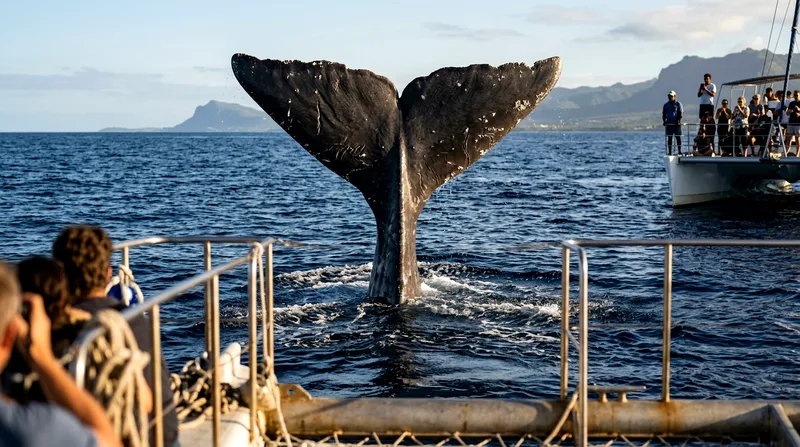
Plan a Mauritius whale watching boat tour: peak sperm whale season, ethical operators, realistic success rates, and how to pair it with dolphin trips.
9 min read · 8 Oct 2026
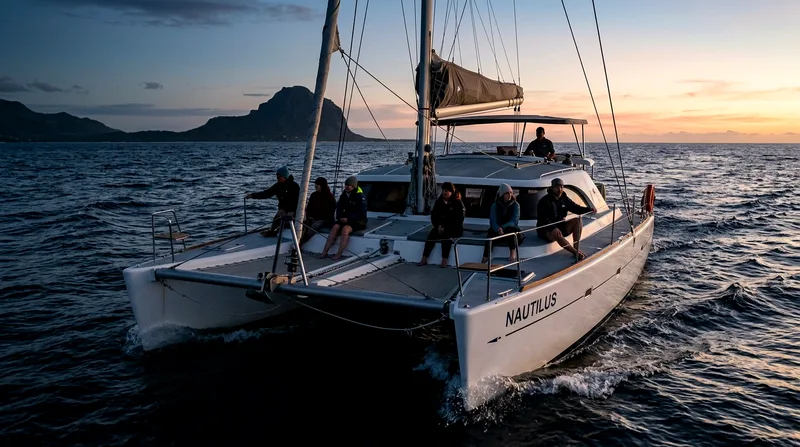
Worried about Mauritius boat tour seasickness? Find calm lagoon routes, catamaran stability tips, and medical remedies for nervous first-timers.
7 min read · 8 Oct 2026
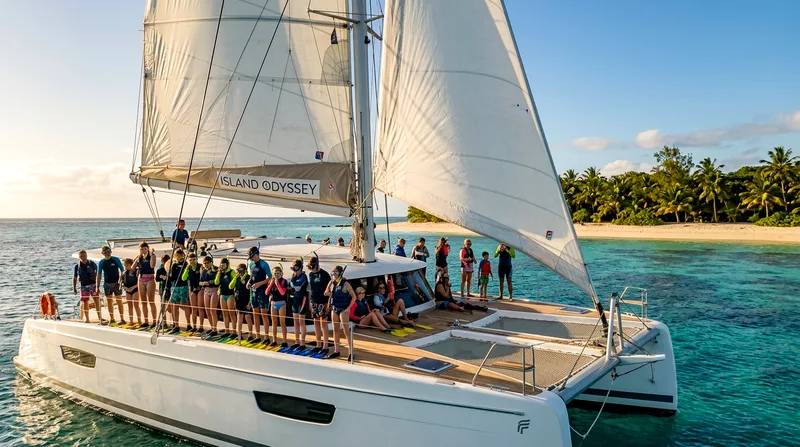
Plan your snorkelling boat tour in Mauritius with our visibility guide. Discover the clearest water months by reef location and book the perfect season.
9 min read · 8 Oct 2026
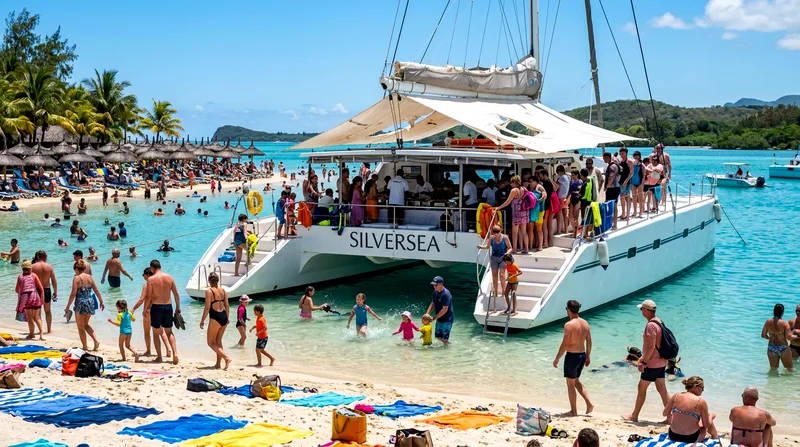
Explore Mauritius boat tours summer (Nov–Apr). Warm waters, cyclone risks, peak crowds, and how to book the best season experience.
8 min read · 8 Oct 2026
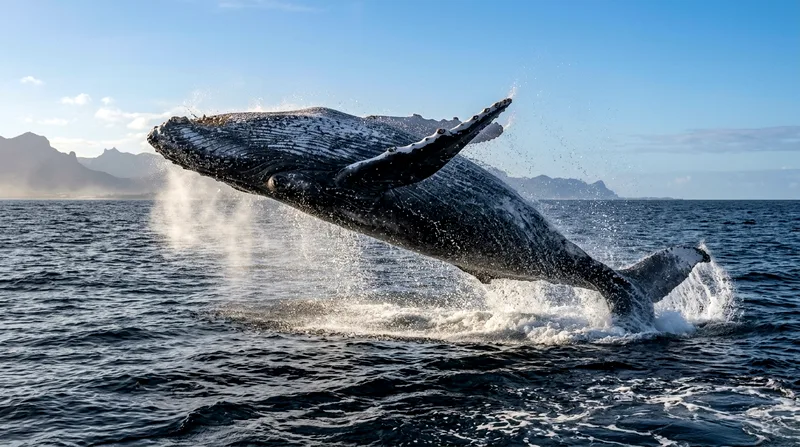
Mauritius boat tours in winter (June–Sept): weather, whale-watching, sea conditions, and which trips run reliably during the dry season.
8 min read · 8 Oct 2026