Plan your snorkelling boat tour in Mauritius with our visibility guide. Discover the clearest water months by reef location and book the perfect season.
Best Months for Snorkelling Boat Tours in Mauritius
Water visibility and reef conditions vary dramatically across Mauritius's snorkelling season, and the mistake most first-time bookers make is treating the island as one climate zone. It isn't. The west coast around Flic en Flac and Tamarin stays relatively sheltered most of the year, the east coast near Belle Mare and Trou d'Eau Douce gets hammered by the southeast trade winds for roughly eight months, and the south coast near Blue Bay sits somewhere in between depending on swell direction. If you're choosing the best months for a snorkelling Mauritius boat tour, the honest answer depends on which lagoon you're booking into — not just the calendar month.
Broadly, the driest and calmest stretch runs from May through November, which also happens to be Mauritius's winter — cooler air, less rain, steadier trade winds from a consistent direction. December through April brings the cyclone season, with warmer water, occasional torrential rain, and the risk of a tour being cancelled outright if a storm system tracks close to the island. Neither window is universally "best" — it depends on your coast, your tolerance for crowds, and whether you're chasing clarity or cheaper off-season rates.
Who Each Snorkelling Tour Type Suits
Not every snorkelling boat tour in Mauritius serves the same traveller, and operators rarely spell out which crowd they're built for. A catamaran with forty passengers heading to Île aux Cerfs is a completely different product from a six-person speedboat running a private charter to Blue Bay Marine Park, even if both are marketed as "snorkelling tours."
Group boat tours vs. private charters
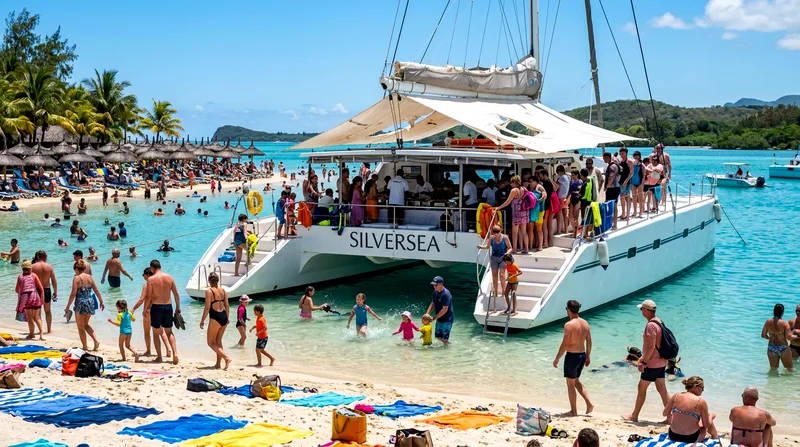
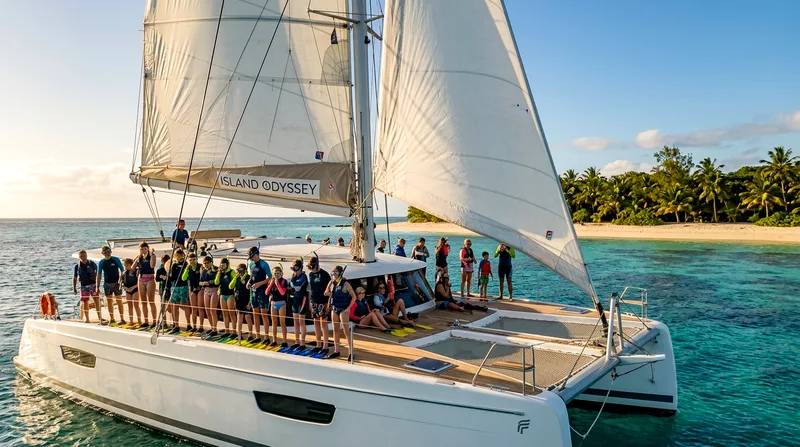
Group tours — typically 15 to 40 people on a catamaran or double-decker boat — are the budget option and suit families and solo travellers who want a sociable day with lunch, music, and multiple stops. Expect to pay a fraction of a private charter's cost, but accept less flexibility on timing and a shared slice of reef with other boats anchored nearby. Private charters, usually 2 to 10 guests on a speedboat or smaller catamaran, cost considerably more per person but let you choose departure time, linger at a quiet reef, and skip the crowded sandbank stops. Couples celebrating an anniversary and senior travellers wanting a slower pace tend to prefer the private route; families on a tighter budget usually default to group tours and plan around the busier sections of the itinerary.
Beginner-friendly vs. advanced reef sites
Lagoon reefs inside the barrier — like those off Blue Bay or Trou aux Biches — sit in water often under 3 metres deep, calm, and forgiving for first-time snorkellers, including children and nervous swimmers. Outer reef sites near the barrier break, such as some spots off the north coast islets, have stronger current and depths that can exceed 8 to 10 metres, better suited to confident swimmers or those with some open-water experience. If you're a nervous swimmer or travelling with kids under 10, ask explicitly whether the tour stops inside or outside the lagoon — brochures rarely make this distinction clear, and it matters far more than the boat's size.
Mauritius Snorkelling Reefs: Visibility by Month
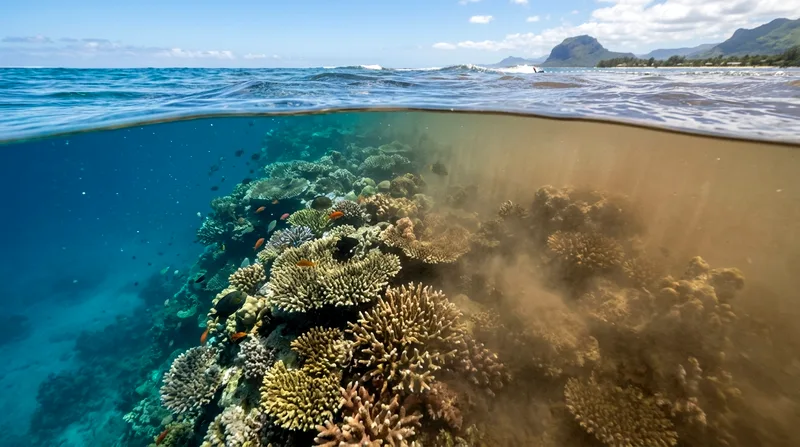
Mauritius reef conditions by month hinge on two forces: the southeast trade winds, which blow most strongly from June to September, and the cyclone-season rains, which stir up runoff and sediment from December to March. Coral reefs ringing the island act as a buffer, but the lagoons closest to river mouths and inhabited coastline silt up faster after heavy rain than those further offshore.
West coast reefs hold good visibility nearly all year, while east coast reefs are reliable only from October to April excluding peak cyclone months.
Mauritius snorkelling visibility by reef and month
| Reef Area | May-Sep (Trade Wind Season) | Oct-Nov (Shoulder) | Dec-Mar (Monsoon/Cyclone Risk) |
|---|---|---|---|
| North (Grand Baie, Trou aux Biches) | Good to Excellent | Excellent | Fair (Jan-Feb dip) |
| East (Belle Mare, Île aux Cerfs) | Fair (windy) | Good to Excellent | Poor to Fair |
| West (Flic en Flac, Tamarin) | Excellent | Excellent | Good |
| South (Blue Bay Marine Park) | Fair to Good | Good | Fair |
Ratings are typical seasonal patterns based on trade wind and rainfall cycles, not guarantees — conditions shift year to year, so confirm with the operator close to your travel date.
North coast reefs: seasonal clarity patterns
The north — Grand Baie, Trou aux Biches, the islets like Coin de Mire and Gabriel Island — gets the most consistent visibility of any coast, largely because it's more sheltered from the dominant southeast trade winds than the east. Expect good-to-excellent clarity from April through December, with a dip in January and February when tropical lows pass closer and rain runoff from the northern rivers clouds the shallows for a few days at a time. This is generally the easiest coast to book almost any month outside peak cyclone risk.
East coast reefs: monsoon and calm periods
The east coast — Belle Mare, Trou d'Eau Douce, Île aux Cerfs — takes the trade winds head-on from May to September, which keeps the surface choppy even though underwater visibility on the leeward reef patches can still be decent on calmer days. The real sweet spot here is the shoulder period, October and November, when winds ease but the rains haven't started. December through March brings the double hit of monsoon rain and cyclone risk, and this is the coast most likely to see a tour cancelled or rerouted.
South and west coast reefs: year-round conditions
The west coast — Flic en Flac, Tamarin — is the most sheltered from trade winds and holds good visibility nearly year-round, with its weakest stretch during the heaviest summer rains in January and February. The south, including Blue Bay Marine Park, benefits from a shallow reef flat but can turn murky quickly after a strong south swell stirs sediment, which happens more often during the May-to-September trade wind season than people expect. If you want the single most forgiving coast for a last-minute booking regardless of month, the west edges out the others.
Comparing Snorkelling Tour Categories
Beyond timing, the tour format itself shapes what you'll see and how relaxed the day feels. This is where a lot of travellers overpay for a format that doesn't suit them — booking a full-day multi-stop catamaran when a two-hour focused snorkel would have delivered more time actually in the water.
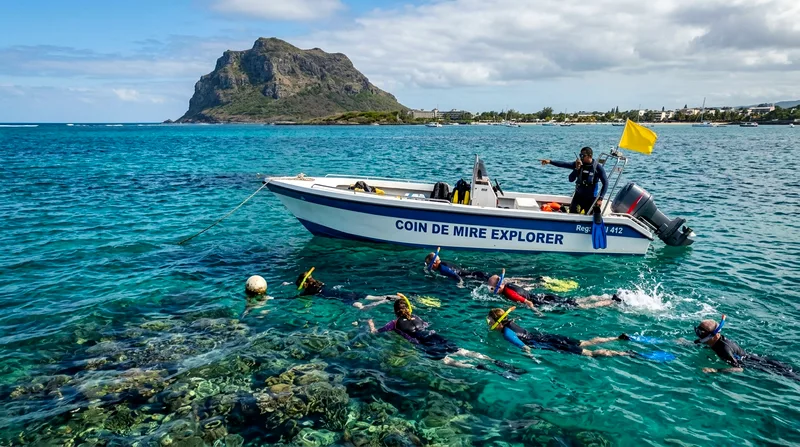
Half-day vs. full-day snorkelling tours
Half-day tours, typically 3 to 4 hours, usually hit one or two snorkel spots and suit anyone short on time or prone to seasickness — less time bobbing on a boat, more time snorkelling relative to transit. Full-day tours, often 6 to 8 hours including a beach or sandbank lunch stop, pack in three or four locations but spend real time on transfers between them, and the actual snorkelling window per stop can be as short as 30 to 45 minutes. Families with young children often do better on half-day tours; fishermen and boaties who enjoy being on the water all day tend to prefer the full-day format even if the net snorkelling time is similar.
Multi-reef tours vs. single-site focus
Multi-reef itineraries — common on the Île aux Cerfs and Blue Bay routes — give variety but mean shorter time at each site and more boat noise disturbing the fish. Single-site tours, often run by smaller operators with a dedicated reef guide, let you spend 90 minutes or more at one spot, which matters if you want to actually follow a guide pointing out species rather than rushing past them. Snorkelling fanatics and underwater photographers should lean toward single-site tours; general sightseers who want a bit of everything — sandbank, lunch, snorkel, maybe a glass-bottom boat ride — will get more out of the multi-stop format.
What to Look for When Booking
Marketing photos on tour listings are almost always shot on a flat-calm day in August — they tell you nothing about what you'll get in February. Read the operational details instead.
Inclusions: equipment, lunch, and guides
Mask and snorkel are near-universal inclusions; fins and a flotation vest are not always provided, so ask specifically if you're a weak swimmer. Lunch quality varies enormously — some tours serve a proper grilled fish barbecue on a sandbank, others hand out a basic sandwich. A reef guide who actually enters the water with guests (rather than just pointing from the boat) is a meaningful upgrade, particularly for marine reserve areas like Blue Bay where identifying coral and fish species adds real value. Confirm whether snorkelling gear is rented separately — a few operators list a low headline price then charge extra for equipment.
Group size, cancellation policy, and weather guarantees
Ask the maximum group size before booking — "small group" on a listing can still mean 25 people split across two boats. Check the cancellation policy specifically for weather: reputable operators offer a full refund or free reschedule if wind or swell makes the crossing unsafe, which happens more often than you'd think during the May-to-September trade wind months on the east coast. Avoid any operator vague about this policy, since a cancelled tour with no refund is the most common complaint in this category. Compare current boat tours and prices before you book, since rates and weather policies shift between operators and seasons.
When to Book Your Snorkelling Tour
For the best snorkelling season Mauritius offers overall, aim for April to early December if your itinerary allows flexibility, and lean toward the west or north coast if you're locked into specific travel dates regardless of month. If you've already booked flights for January through March, don't cancel the snorkelling trip — just pick the west coast over the east, keep an eye on the forecast three or four days out, and book a flexible operator rather than a rigid fixed-date package. Compared with Zanzibar, where visibility swings less dramatically by coast but the water runs cooler outside its own kite season, or the Maldives, where atoll lagoons offer more consistent year-round clarity but at a steeper overall trip cost, Mauritius demands more attention to which specific coast you're booking — the reward is a cheaper, more varied trip if you get the timing right. Réunion Island, just a short flight away, has far fewer shallow lagoon snorkel sites due to its volcanic coastline, which is actually one reason serious snorkellers choose Mauritius over its neighbour.
Frequently asked questions
What month has the clearest water for snorkelling in Mauritius?
There's no single answer for the whole island. The west coast around Flic en Flac tends to have its clearest water from May to November, while the north coast around Grand Baie is often just as good from April through December. If you're fixed on one specific month, check which coast performs best in that window rather than searching for one universal "best month."
How does monsoon season affect snorkelling visibility?
Monsoon rains, concentrated from December to March, wash sediment and runoff into the lagoons, especially near river mouths and more populated coastlines. This cuts visibility for a few days after heavy rain and raises the chance of a tour being cancelled if a cyclone or tropical low tracks near the island. Water temperature actually rises during this period, which some swimmers prefer despite the clarity trade-off.
Which reefs have the best visibility year-round?
The west coast reefs near Flic en Flac and Tamarin are the most consistently clear across all twelve months, since they're sheltered from the dominant southeast trade winds. The north coast around Trou aux Biches runs a close second, dipping only slightly during January and February rains.
Should I book a group or private snorkelling tour?
Book a group tour if you're budget-conscious and don't mind sharing the reef and schedule with 15 to 40 other people — it's the more affordable, sociable option. Book a private charter if you want flexible timing, a quieter reef experience, and are travelling as a couple or small family willing to pay considerably more per person for that control.
What should I check before booking a snorkelling boat tour?
Confirm what's included — mask, snorkel, fins, flotation vest, lunch — since inclusions vary more than listings suggest. Check the maximum group size, whether the reef guide gets in the water, and crucially, the weather cancellation policy, since trade winds and sudden squalls cause more cancelled departures than most travellers expect.