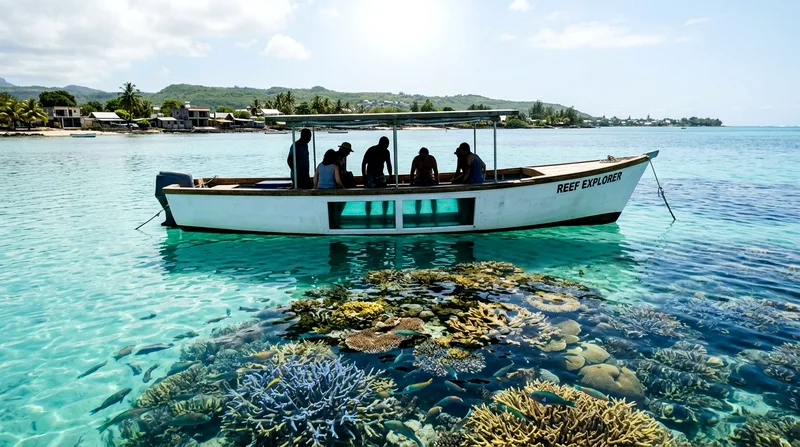
Blue Bay Marine Park Boat Tour: Tickets, Tips & Rules
Explore Blue Bay Marine Park's protected coral reefs on a Blue Bay Marine Park boat tour. Ticket prices, conservation rules, and best times to go.
9 min read · 8 Oct 2026
Tours & activities
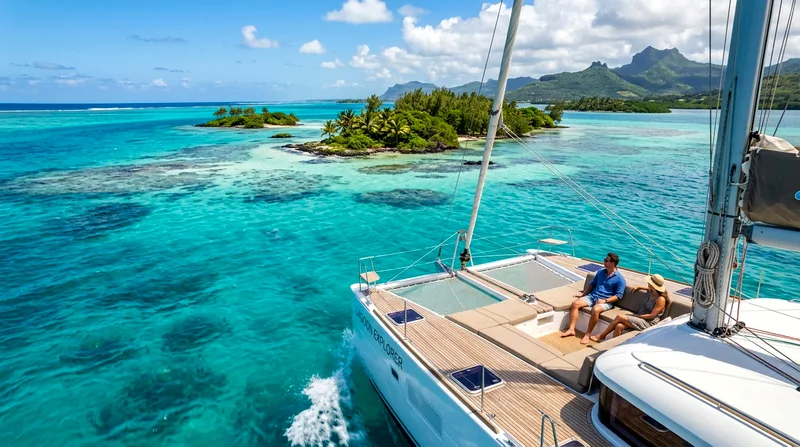
Compare Mauritius island-hopping boat tour routes, inclusions, and group vs private options. Know what to book for snorkelling, families, and photo stops.
A Mauritius island hopping boat tour works best for travelers who want variety in a single day rather than one long beach stay. You get moving water, a change of scenery every couple of hours, and usually two or three distinct stops — a snorkelling reef, a sandbank, and a nature island like Île aux Aigrettes. Compare that to a single resort-based catamaran cruise, which might anchor once and let you swim for three hours in one spot. If you get restless lying on one beach, island-hopping suits you far better.
It doesn't suit everyone. Anyone with a bad back or motion sensitivity should think twice about routes that cross open water to Gunner's Quoin or Flat Island, where swells pick up outside the lagoon. And if your idea of a boat day is quiet and slow, a group tour with six stops crammed into eight hours will feel more like a checklist than a holiday.
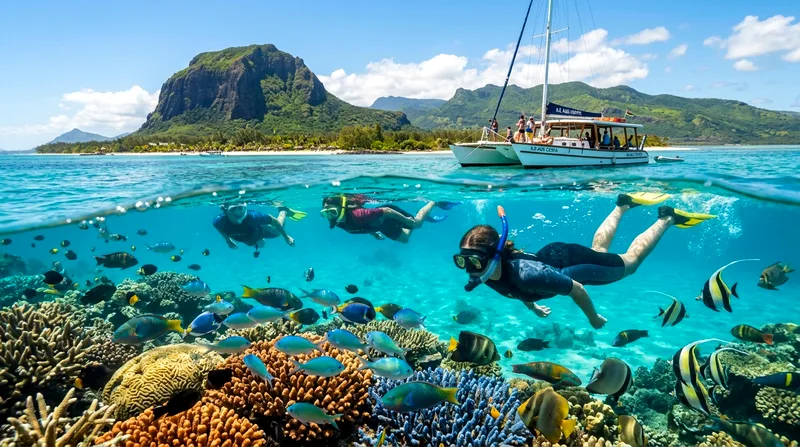
Snorkellers get the best value from northern and eastern routes, where reef patches sit in shallow, sheltered lagoon water — typically 2 to 5 metres deep, calm enough for weak swimmers with a life jacket. Gabriel Island and the reef flats near Île aux Cerfs are the most commonly snorkelled stops, with visibility generally good outside the cyclone season (roughly November to April). Don't expect Maldives-level coral density — Mauritius's lagoon reefs were damaged by past bleaching events and boat traffic, so patches of healthy coral sit among bare rock and sand. If reef quality is your main priority, treat Mauritius as a mid-tier snorkelling destination, better than Zanzibar's murkier inshore waters in places, but behind the outer atolls of the Maldives.
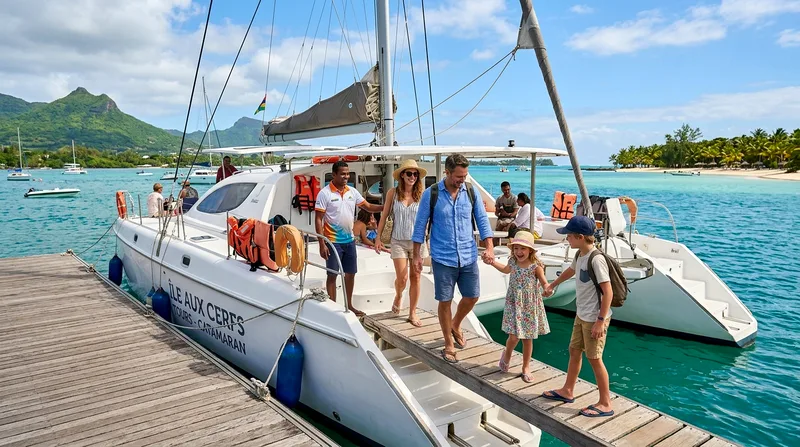
Families do well on routes built around Île aux Cerfs, since it has shallow swimming areas, shaded restaurant terraces, and a short crossing time from Trou d'Eau Douce — often under 20 minutes. Avoid tours that promise four or five islands in one day with kids under eight; the repeated boarding and boat transfers eat into actual beach or pool time, and seasickness risk goes up with every additional crossing. A simpler two-stop itinerary, with a long lunch break and a sandbank swim, usually keeps children happier than an ambitious multi-island loop.
Mauritius has three broad island-hopping zones, each departing from a different coast, and they don't overlap much — so your choice of route often comes down to where your hotel is.
Departing mainly from Grand Baie or Cap Malheureux, northern routes head to Gunner's Quoin (Coin de Mire), Flat Island, and Gabriel Island. These are further offshore — Gunner's Quoin sits roughly 8 km north of the mainland — so crossings take longer and the water is choppier than lagoon-only trips. In exchange, you get better snorkelling and genuinely undeveloped islands with seabird colonies and dry forest rather than beach bars. A full northern loop typically runs 6 to 8 hours and suits travelers who don't mind a rougher ride for a quieter, less touristed island.
Eastern tours leave from Trou d'Eau Douce and focus on Île aux Cerfs, often combined with a stop at the Grande Rivière Sud-Est waterfall by boat, or a smaller islet nearby. This is the most popular and most developed route — expect more boats, more people on the beach, and infrastructure like restaurants and water-sports rentals on Île aux Cerfs itself. It's the easiest route for first-timers and families, with short crossing times (often 15 to 25 minutes) and calmer water inside the lagoon. The trade-off is crowding, especially around midday when multiple group tours converge on the same beach.
Southern routes, usually from Mahébourg or Blue Bay, center on Île aux Aigrettes, a nature reserve managed for conservation rather than beach tourism. You won't swim much here — access is often guided, on foot, focused on endemic species like the pink pigeon and giant tortoises reintroduced to the island. It pairs well with a Blue Bay snorkelling stop for travelers who want a conservation angle alongside the usual beach-and-reef format. This route suits photographers and wildlife-focused travelers more than families wanting a swim-heavy day.
Every island-hopping itinerary in Mauritius is sold either as a shared group tour on a larger catamaran or speedboat, or as a private charter. The difference isn't just price — it changes your flexibility, your stop times, and how crowded the snorkelling spots feel.
Group tours are cheaper and fixed-schedule, while private charters cost more but let you control the route and pace.
Mauritius island hopping boat tour: group vs private comparison
| Tour Type | Typical Group Size | Flexibility | Meals Included | Cancellation Terms |
|---|---|---|---|---|
| Shared group tour | 15-50 passengers | Fixed stops and timing | Usually buffet lunch included | Often free cancellation 24-48h ahead |
| Small group tour | 6-15 passengers | Some flexibility on timing | Lunch usually included | Varies, check per booking |
| Private charter | Your party only (2-12 typical) | Fully customizable route | Optional, sometimes extra cost | Stricter terms, deposit often non-refundable |
Figures are typical ranges across the market; confirm group size, inclusions, and cancellation policy before booking.
Group tours run on fixed schedules with set departure times, usually once or twice daily, carrying anywhere from 15 to 50 passengers depending on the boat. They're the cheaper option and the easiest to book last-minute, often with buffet-style lunch included and a fixed stop sequence you can't change. The downside: you move at the group's pace, snorkelling windows are shorter when 40 people share one reef patch, and if you want longer at one island, you can't ask the captain to stay.
Private charters — a smaller boat booked just for your party — cost noticeably more, often two to four times the per-person group rate, but let you set the stops, timing, and pace. This matters most for couples wanting a quiet sandbank lunch without 30 other tourists, or photographers who need to wait for good light at a particular island. For families with very young children or anyone with mobility limits, a private boat also means no rush to reboard on someone else's schedule.
Don't book on price alone. Two tours labeled "island hopping" can differ enormously in boat size, stop duration, and what's actually included once you're on the water.
Check whether lunch is a seated buffet, a barbecue on a beach, or a packed box — this affects both quality and how long you'll linger at a stop. Snorkelling gear (mask, snorkel, fins, life jacket) is usually included on group tours, but check if it's sized for children. Soft drinks and water are commonly included; alcohol sometimes isn't, or only on "premium" versions of the same route. Glass-bottom boat viewing, underwater photography add-ons, and fish feeding are extras on some itineraries — read the inclusion list literally rather than assuming.
A 50-person catamaran means more amenities — shaded decks, toilets, sometimes a slide into the water — but also longer queues for the buffet and less personal space at anchor. Smaller boats (under 15 people) feel more relaxed and reach snorkelling spots with less congestion, but may lack shade or onboard toilets. If you're prone to seasickness, ask about the boat type: larger catamarans handle chop better than small speedboats on northern routes to Gunner's Quoin.
Timing affects both the weather you'll get and how easily you can secure a spot on popular routes.
The cyclone season (roughly November to April) brings warmer water and better visibility on calm days, but also the risk of cancelled departures when a storm system passes near Mauritius — operators generally won't run if seas are unsafe. The cooler, drier months (May to October) have more consistently calm mornings, though water temperature drops slightly and wind picks up in the afternoon on exposed routes like the northern islands. If snorkelling clarity matters more to you than guaranteed sunshine, aim for a morning departure year-round — afternoon wind chop is common across all seasons in Mauritius.
Popular eastern routes to Île aux Cerfs can be booked as little as a day or two ahead in quieter months, but during peak European holiday periods — July/August and the December-January school break — boats fill up a week or more in advance. Private charters need more lead time, often 3-7 days, since there are fewer boats available for exclusive hire. Whatever the season, compare current boat tours and prices before you book, since availability and inclusions shift faster than any fixed guide can track.
It depends on the route. Eastern tours from Trou d'Eau Douce center on Île aux Cerfs; northern tours from Grand Baie visit Gunner's Quoin, Flat Island, and Gabriel Island; southern tours from Mahébourg focus on Île aux Aigrettes, a nature reserve rather than a swimming beach. Few tours combine all three zones in one day because the distances between them are too great.
Most run 6 to 8 hours, including lunch and two to three stops. Shorter half-day versions (around 4 hours) exist on the eastern route to Île aux Cerfs, cutting out the farther crossings. Northern routes to Gunner's Quoin tend to run longer because of the extra travel time to reach the outer islands.
Expect snorkelling at one or two reef stops, swimming off a sandbank or beach, and sometimes a glass-bottom boat segment or a short guided walk (notably on Île aux Aigrettes). Some eastern-route tours add a stop at Grande Rivière Sud-Est for a short river cruise by smaller boat before rejoining the main vessel.
Reef-safe sunscreen, a hat, a dry bag for your phone, and seasickness tablets if you're at all prone to motion sickness — northern routes especially can get choppy. Bring cash for any extras not included, and water shoes if you're unsure about rocky entry points at sandbank stops.
Yes, private charters are widely available on all three routes, typically costing two to four times the per-person group rate but giving you control over timing, stops, and pace. Book private charters further ahead — 3 to 7 days minimum — since fewer boats are available for exclusive hire than for scheduled group departures.
Explore Blue Bay Marine Park's protected coral reefs on a Blue Bay Marine Park boat tour. Ticket prices, conservation rules, and best times to go.
9 min read · 8 Oct 2026
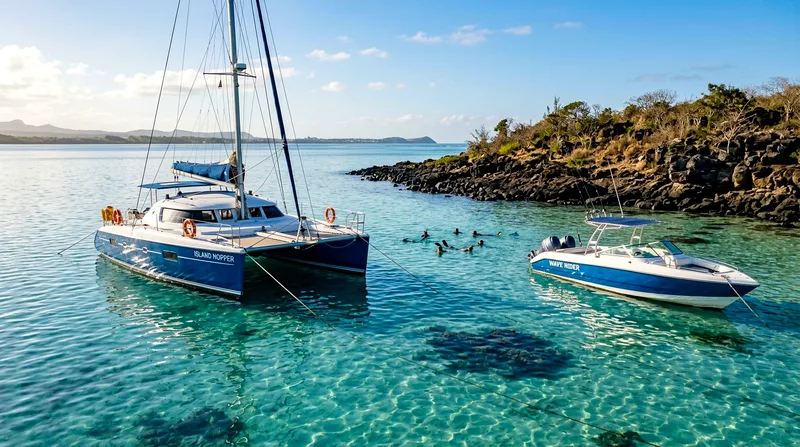
Plan your Mauritius island-hopping adventure with this 3-day boat tour itinerary. Explore north, east and west clusters with daily schedules and booking tips.
9 min read · 8 Oct 2026
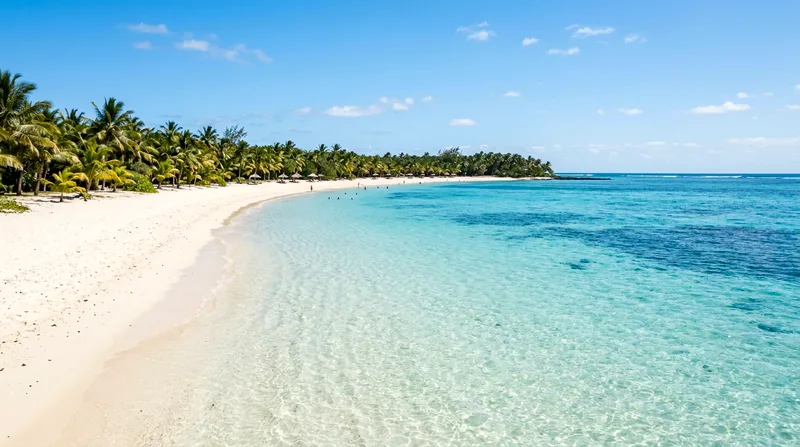
Compare Île aux Cerfs and Île aux Bénitiers: beach quality, crowds, snorkelling, food, and boat tour costs. Choose the perfect Mauritius island trip.
8 min read · 8 Oct 2026
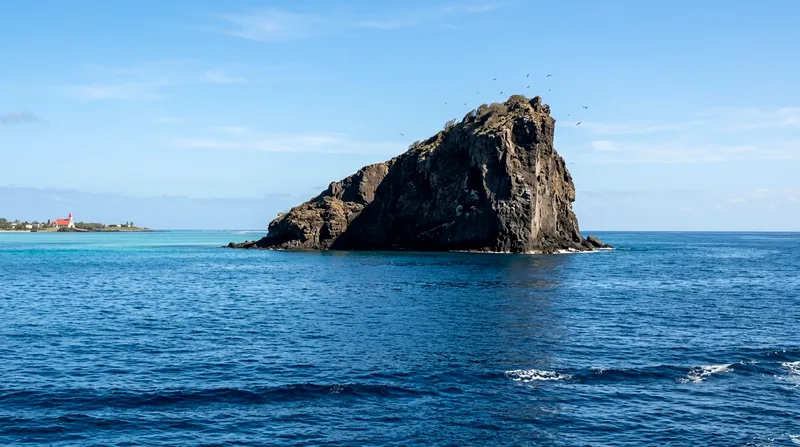
Explore Coin de Mire (Gunner's Quoin) on a boat tour from Cap Malheureux. Snorkel, dive, and discover this volcanic islet off Mauritius's north coast.
8 min read · 8 Oct 2026
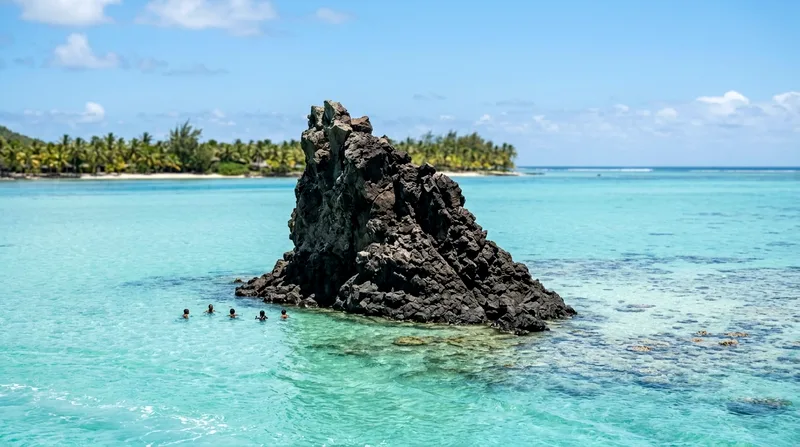
Explore Île aux Bénitiers on a west-coast boat tour featuring Crystal Rock, dolphin spotting, and beachside barbecue lunch. Booking guide and tips.
8 min read · 8 Oct 2026
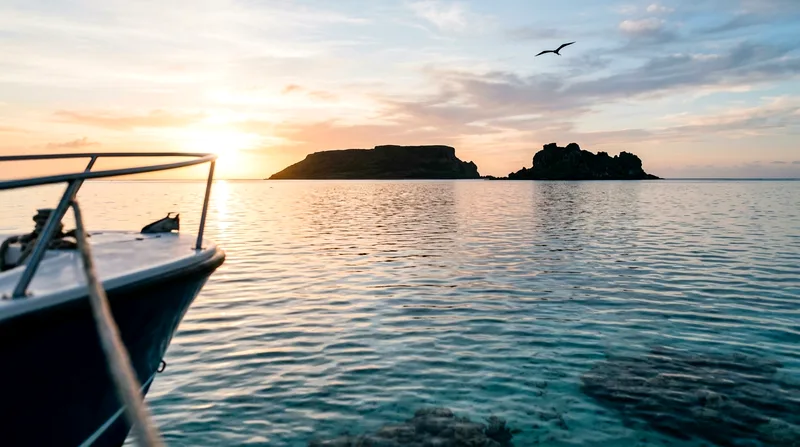
Explore Gabriel Island and Flat Island by boat—snorkel, spot birds, and escape crowds. Departure points, tour options, and visitor guide for Mauritius.
8 min read · 8 Oct 2026
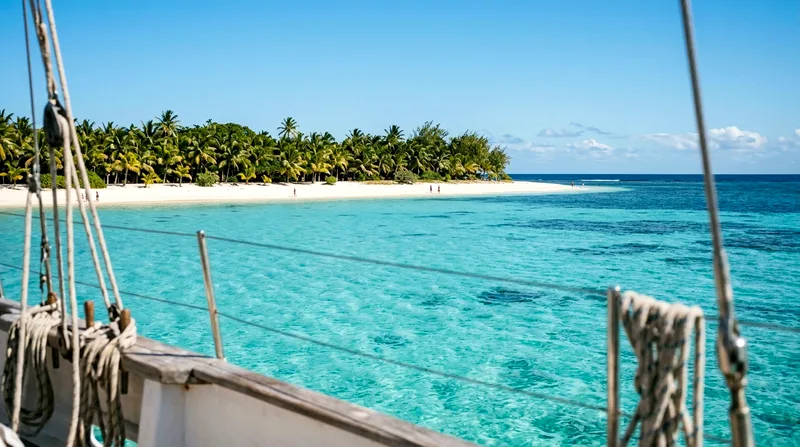
Planning an Île aux Cerfs boat tour? Get the facts on tickets, prices, boat options, water sports and the best time to visit this Mauritius island.
9 min read · 8 Oct 2026