Explore Blue Bay Marine Park's protected coral reefs on a Blue Bay Marine Park boat tour. Ticket prices, conservation rules, and best times to go.
What Is Blue Bay Marine Park
Blue Bay Marine Park sits on the southeast coast of Mauritius, in the Grand Port District near the village of Blue Bay and a short drive from Mahébourg. Gazetted as a marine park, it protects roughly 353 hectares of lagoon and reef — small compared to marine reserves elsewhere, but dense with coral cover for its size. A Blue Bay Marine Park boat tour is the standard way most visitors reach the reef, since swimming out from the public beach gets you into seagrass flats long before you hit coral of any real interest.
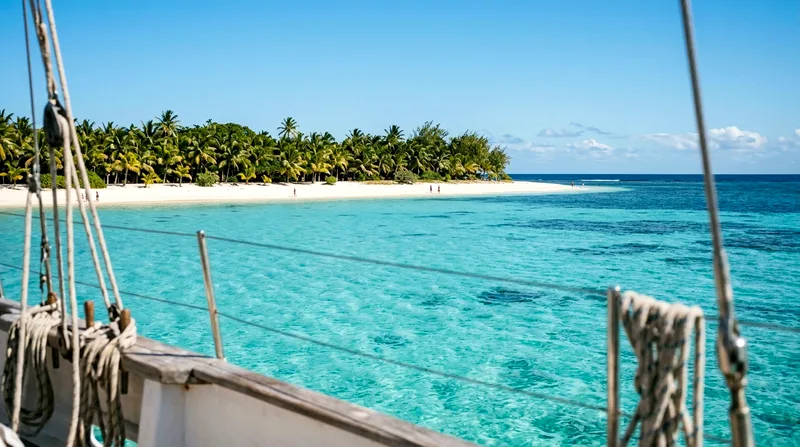
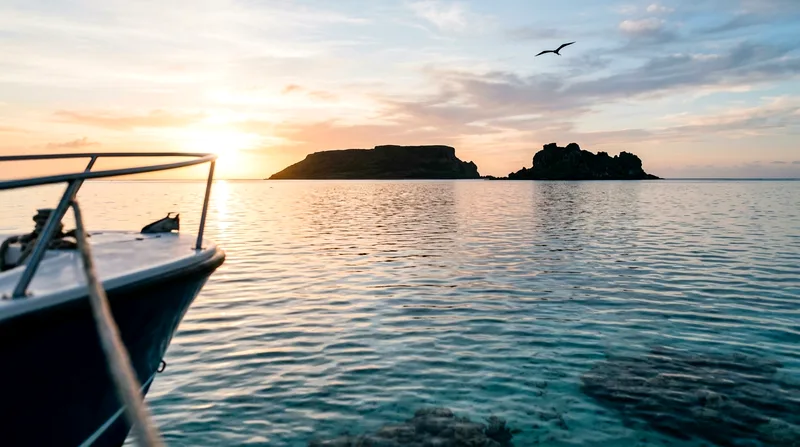
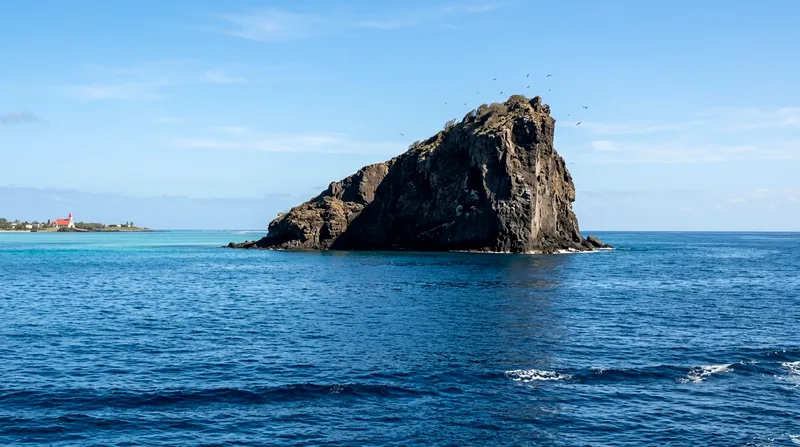
What makes this patch of Indian Ocean coastline worth singling out is the water itself. Blue Bay's lagoon is shielded by an outer reef and by Île des Deux Cocos offshore, which keeps wave action low and water unusually clear for a reef this close to a populated shoreline. On a calm, sunny morning, visibility can run 10-15 meters, good enough to make a glass-bottom boat genuinely worthwhile rather than a gimmick.
I'd put Blue Bay below Mauritius's best open-water snorkel spots (Flic en Flac's drop-offs, or boat-accessed sites off Trou aux Biches) in terms of fish density, but ahead of them for ease of access and protection from boat traffic. It's not a wild reef experience — expect other tour boats nearby, especially between 10am and 1pm.
Why the Coral Is Exceptional
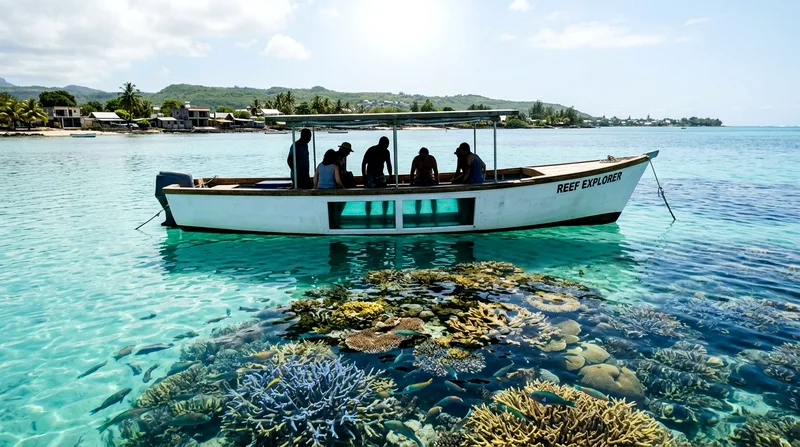
Blue Bay holds one of the richest concentrations of coral species recorded in Mauritius, with over 70 coral species documented within the park, alongside roughly 70 fish species seen regularly in the shallows. You'll see branching Acropora formations, plate corals, and brain coral heads in water sometimes only 2-3 meters deep — shallow enough that a glass-bottom boat passenger gets a genuinely close view without ever touching water. Parrotfish, butterflyfish, and juvenile reef fish are common; larger pelagic species are not, since this is a sheltered lagoon rather than an open reef wall. Don't come expecting turtles or rays on every trip — sightings happen, but they're not guaranteed the way operators sometimes imply.
Conservation Status and Rules
Blue Bay was declared a marine park under Mauritian law specifically to curb damage from anchor drops, overfishing, and uncontrolled boat traffic that had degraded parts of the reef through the 1990s. Rules that apply to visitors: no touching or standing on coral, no removal of shells or marine life, no fishing within park boundaries, and boats must use designated mooring buoys rather than anchors. Sunscreen matters more here than most places advertise it — reef-safe, mineral-based sunscreen (zinc oxide or titanium dioxide) is the only kind that won't contribute to coral stress in a semi-enclosed lagoon with limited water exchange. Bring your own; it's not always sold at the jetty.
Glass-Bottom Boat vs Snorkelling Tour
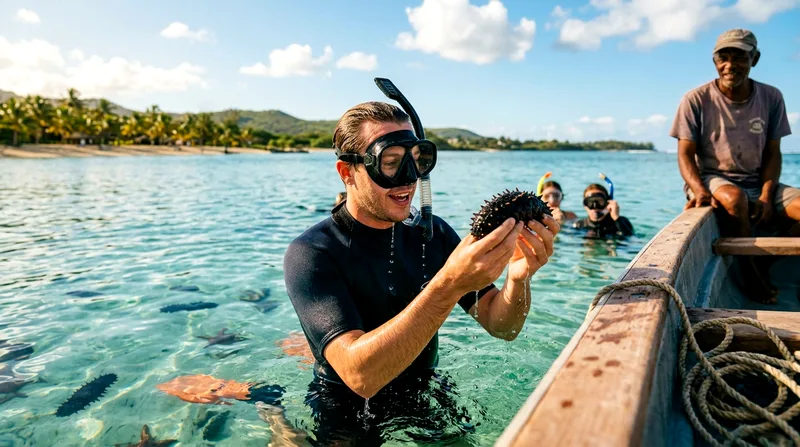
The core decision at Blue Bay is simple: stay dry and look through glass, or get in the water yourself. Both options usually run from the same jetty area, often as a combined trip — boat out, snorkel stop, boat back — lasting 45 minutes to about 90 minutes depending on the operator and how long they linger over good coral patches.
I'd lean toward combining both if your group has mixed abilities. The glass-bottom boat works for grandparents, toddlers, non-swimmers, or anyone who gets nervous in open water, while the snorkelling segment gives everyone else the better view. What I wouldn't do is book a glass-bottom-only tour if everyone in your party can swim — you're paying for a filtered, slightly distorted view of something you could see directly for the same price or less.
Choosing between the glass-bottom boat and the snorkelling tour mostly comes down to swimming ability and how close to the coral you want to get.
Blue Bay Marine Park boat tour options compared
| Tour Type | Duration | Swimming Required | Best For | Typical Cost (MUR, per person) |
|---|---|---|---|---|
| Glass-bottom boat only | 30-45 min | No | Non-swimmers, young children, seniors | 400-700 |
| Snorkelling only | 45-60 min | Basic swimming | Confident swimmers, snorkeling fanatics | 500-900 |
| Combined boat + snorkel | 60-90 min | Optional, life jackets available | Families, mixed-ability groups | 600-1000 |
| Independent beach snorkel | Flexible | Basic swimming | Budget travelers, DIY visitors | Low or free (own gear) |
Prices are approximate and negotiated locally; always confirm current rates with the operator before booking.
Glass-Bottom Boat Experience
These are small motorised boats, typically seating 8-15 people, with a viewing panel or glass-bottomed hull section built into the center or bow. The boat idles slowly over coral patches while the operator points out formations and fish. It's genuinely useful for anyone with mobility limits, young children under about 6, or people uncomfortable in open water — but the glass distorts color slightly and scratches on older hulls can blur the view. Trips run roughly 30-45 minutes on the water. Expect to share the lagoon with several other boats at once during midday; early slots feel calmer and the glass panels show less glare.
Snorkelling Tour Experience
The snorkelling version takes you by boat to one or two reef patches, where you enter the water directly — no training required, and the lagoon rarely exceeds chest-to-head depth over the shallower coral. Masks, snorkels, and sometimes flippers and life jackets are provided by most operators; bring your own mask if you have a preferred fit, since rental gear varies in quality. Expect 20-30 minutes of actual swimming time per stop. Current is minimal inside the reef-protected lagoon, which makes this one of the more forgiving snorkel sites in Mauritius for first-timers, children over about 8, or nervous swimmers wearing a life vest.
How to Visit and Book
Getting to Blue Bay is straightforward if you're based anywhere on the south or southeast coast — it's about 10 minutes from Mahébourg and roughly 45-60 minutes from Grand Baie or the northern resort belt by road, longer in traffic near the airport. Most visitors arrive by taxi, rental car, or as part of a half-day tour that bundles Blue Bay with Île aux Aigrettes or Ile des Deux Cocos.
Independent vs Guided Tour
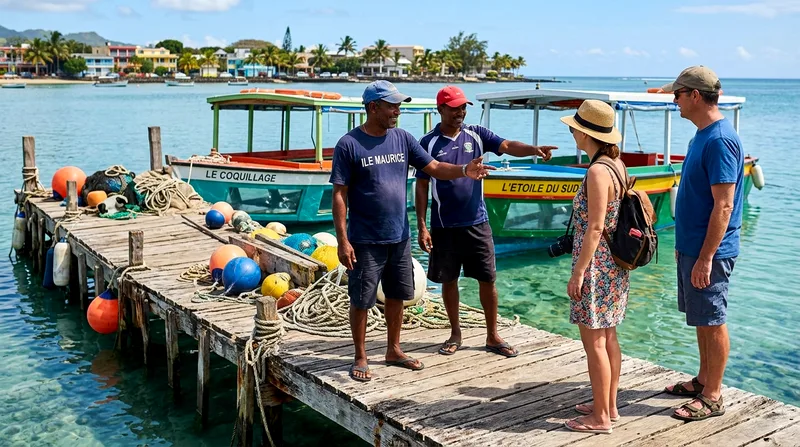
You can show up at Blue Bay public beach and negotiate directly with boat operators clustered near the jetty — this is the independent route, and it's common practice in Mauritius. Expect to pay in the range of roughly 500-1000 Mauritian rupees per person for a combined glass-bottom-and-snorkel trip, though this shifts with group size, season, and how well you negotiate. The upside: flexibility and lower cost. The downside: inconsistent equipment quality, no advance confirmation, and boats that sometimes rush the trip if they're trying to turn over customers quickly on a busy day.
Booking a pre-arranged tour — through a hotel desk or online platform — costs more but guarantees a slot, often includes hotel pickup, and tends to use better-maintained boats and gear. For families or anyone visiting during peak season (July-August, December-January), I'd book ahead rather than risk a long wait at the jetty. Compare current boat tours and prices before you book, since rates and inclusions change operator to operator.
Ticket Types and Entry
There's no separate "park entry ticket" sold at a gate — access to Blue Bay Marine Park is bundled into the boat tour price itself, since the park has no land-based visitor center controlling entry. What you're really buying is boat time and guide access to the protected zone. Some operators offer a public beach-and-snorkel option without a boat, using a roped-off shallow area, but this skips the better coral and is really a swimming spot rather than a reef tour. If seeing the marine park's actual protected reef sections is the goal, you need the boat.
Best Time to Visit
Timing affects this trip more than most people expect, because visibility and comfort both swing hard with Mauritius's two seasons.
Seasonal Conditions
The dry season, roughly May through November, brings calmer seas, lower humidity, and the clearest water for both glass-bottom viewing and snorkelling. This overlaps with Mauritius's cooler winter months (June-August), when air and water temperatures drop slightly but remain swimmable — water typically sits around 23-25°C. The wet season, December to April, brings higher humidity, occasional cyclone activity, and more runoff-driven cloudiness in the lagoon after heavy rain. Cyclone warnings can suspend all boat activity for a day or more with little notice during January-March, so build slack into your itinerary if visiting then.
Weather and Visibility
Morning trips, ideally before 10am, consistently offer the calmest water and best light for coral viewing — the sun angle matters more than people realize, since overhead light penetrates the shallow lagoon better than low-angle morning or late-afternoon sun. Wind picks up through the Mauritian afternoon most days, chopping the surface and reducing glass-bottom visibility. If rain is forecast, don't assume the tour is cancelled automatically — operators will often still run in light rain, since the lagoon itself stays protected, but ask before booking if storms are in the forecast.
Nearby Activities and Add-Ons
Blue Bay rarely fills a whole day on its own — most trips run a couple of hours — so it pairs naturally with other stops along the southeast coast.
Complementary Water Activities
Many boat operators at Blue Bay also run combined trips to Île aux Aigrettes, a coral islet nature reserve a short boat ride away, or further out to Ile des Deux Cocos for a beach stop. Kayaking across the bay is possible with some beach vendors, though it's a secondary activity rather than a managed tour. I wouldn't recommend paying extra for a "deep sea fishing" add-on sold by beach touts near Blue Bay — that's usually better organized out of Trou d'Eau Douce or Black River, where boats and crews specialize in it.
Coastal Attractions Nearby
Mahébourg, 10 minutes away, has a waterfront market (busiest on Mondays) and the Naval Museum, worth an hour if you're killing time before or after a boat slot. Pointe d'Esny beach, just along the coast, is quieter than Blue Bay's main beach and a reasonable spot to decompress afterward without crowds. If you're weighing Mauritius against Seychelles or the Maldives for reef access, this is the kind of trade-off worth knowing: Mauritius gives you protected lagoon snorkeling minutes from a market town and a museum, where Maldivian reef trips usually mean a long boat transfer from an isolated resort with little else nearby.
Frequently asked questions
What can you see on a Blue Bay Marine Park boat tour?
Expect coral formations including branching Acropora, brain coral, and plate corals in shallow, clear water, along with reef fish such as parrotfish and butterflyfish. Turtles and rays appear occasionally but aren't guaranteed. The lagoon is sheltered, so you won't see large pelagic species — this is a shallow reef experience, not open-ocean diving.
Do you need to be a strong swimmer for the snorkelling tour?
No. The lagoon is shallow — often chest-to-head depth over the reef — with minimal current, and most operators provide life jackets. Basic comfort in water is enough. Non-swimmers or nervous swimmers are usually better served by the glass-bottom boat instead.
What is the best time of year to visit Blue Bay?
May through November, Mauritius's dry season, gives the calmest seas and clearest water. Morning trips before 10am offer the best visibility and light regardless of season. Avoid January-March if possible, when cyclone activity can suspend boat trips with little warning.
Are there age or fitness restrictions for boat tours?
There's no official minimum age for the glass-bottom boat since it requires no swimming. For the snorkelling segment, most operators prefer children be at least 6-8 years old and comfortable wearing a mask and life jacket. There's no strict upper age limit — fitness to climb in and out of a small boat matters more than age itself.
What conservation rules apply to visitors?
No touching, standing on, or removing coral and marine life; no fishing within the park; boats must use mooring buoys rather than dropping anchor on the reef. Reef-safe, mineral-based sunscreen is strongly recommended given the lagoon's limited water circulation.