Explore Gabriel Island and Flat Island by boat—snorkel, spot birds, and escape crowds. Departure points, tour options, and visitor guide for Mauritius.
What Are Gabriel Island and Flat Island?
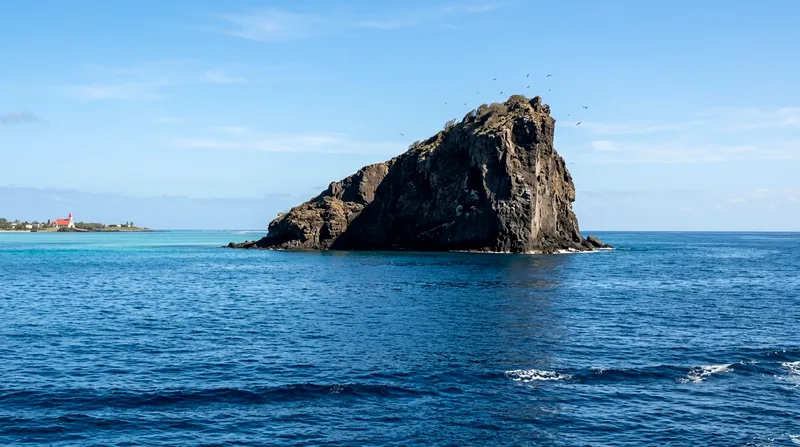
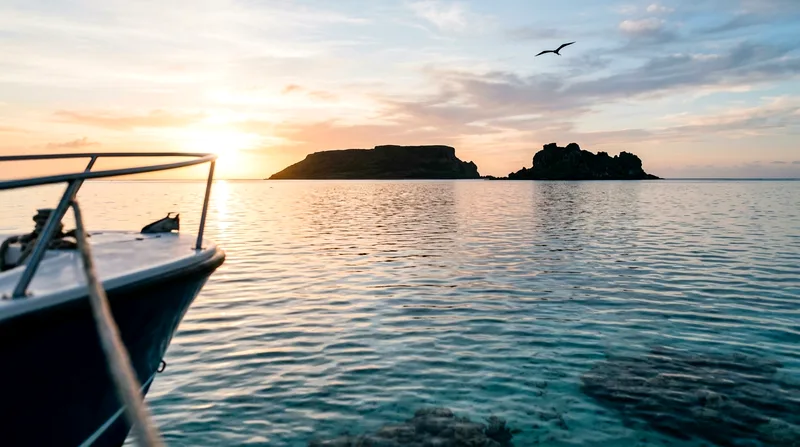
Gabriel Island and Flat Island sit roughly 3.5 to 5 kilometres off Mauritius's northern coast, part of a small cluster of islets that includes Coin de Mire (Gunner's Quoin) and Île Plate itself — Flat Island is the English name for Île Plate, and the two are often visited together on the same outing since they lie within a few hundred metres of each other, connected at low tide by a sandbank in places.
A Gabriel Island Flat Island boat tour typically departs from Grand Baie, Cap Malheureux, or Goodlands-area jetties, crossing open water that's noticeably choppier than the sheltered lagoon crossings used for southern islands like Île aux Cerfs. That exposure is exactly why fewer large catamaran operators bother with this route — smaller boats and semi-rigid inflatables handle it better, which keeps group sizes down.
Geography and island features
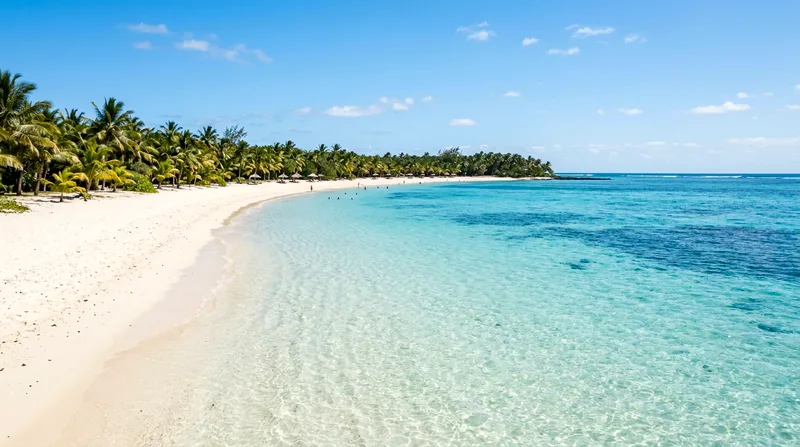
Flat Island is the larger of the two, low and genuinely flat as the name suggests, with a lighthouse dating to the colonial era and a history as a quarantine station for immigrants arriving in Mauritius during the 19th century — you can still see ruins near the old quarantine site if your guide walks you past them. Gabriel Island is smaller, sandier, and sits just across a shallow channel. Both are uninhabited nature reserves managed under Mauritian conservation rules, which is part of why they've stayed quieter than the developed southern islets.
What to expect on arrival
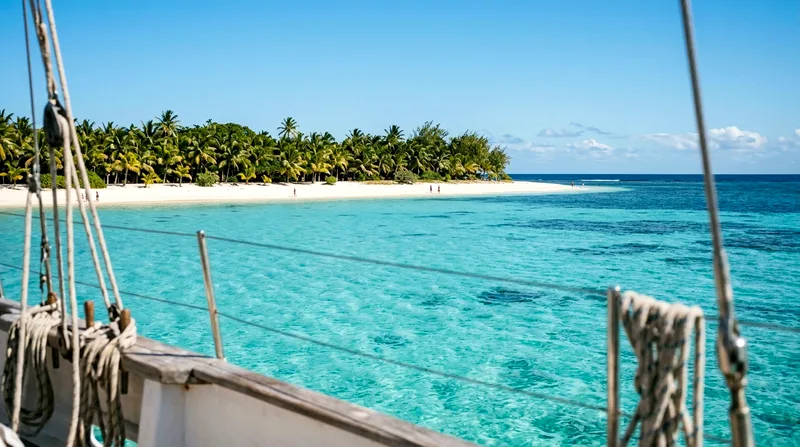
Boats usually anchor offshore and ferry passengers to the beach by smaller dinghy, or beach directly on Gabriel Island's sand if conditions allow — there's no permanent jetty infrastructure like you'd find on Île aux Cerfs. Expect basic facilities: no restaurants, no souvenir stalls, sometimes no shade structures beyond what your boat operator brings. Bring your own water and snacks. The appeal here is precisely the absence of commercial infrastructure, though that means less comfort if you're used to the beach-bar setup of Mauritius's more developed islands.
Why Visit These Northern Islands
If you've already done a southern lagoon tour and found it crowded — and most people do, since Île aux Cerfs can see dozens of boats converging by midday — the northern islands feel like a different country. Fewer operators run here, the water is less churned by boat traffic, and the birdlife is a genuine draw rather than an afterthought.
Snorkelling and marine life
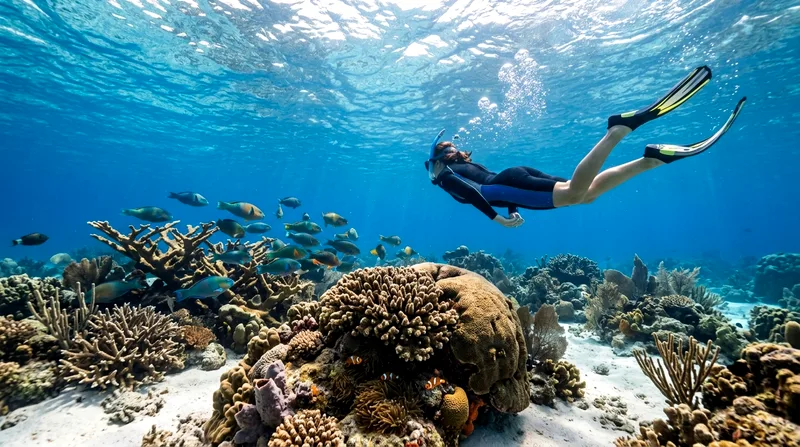
Flat Island snorkelling Mauritius spots tend to center on the reef flats and channel between the two islands, where visibility often exceeds what you'll get in the busier southern lagoons simply because there's less sediment disturbance. Expect parrotfish, surgeonfish, small reef sharks occasionally in deeper channel sections, and healthy coral in patches — though cyclone damage over past decades has left some areas more rubble than reef, so don't expect Maldives-level coral density. Compared to Zanzibar's Mnemba Island snorkelling, which has similar structure and clarity, Flat Island is less crowded but the marine biodiversity is roughly comparable rather than superior.
Bird-watching opportunities
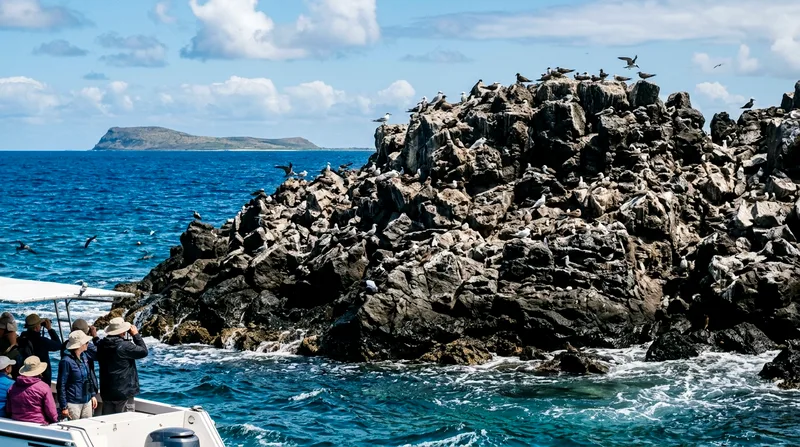
Gabriel Island bird watching is the real differentiator versus the south. The islets host nesting seabirds — terns and noddies are commonly reported — and Coin de Mire nearby is known for larger seabird colonies on its cliffs, visible from the boat even if you don't land there. Serious birders should ask operators specifically about which islet they're landing on and when, since breeding seasons affect both bird activity and sometimes access restrictions on nesting areas.
How to Get There: Tour Options
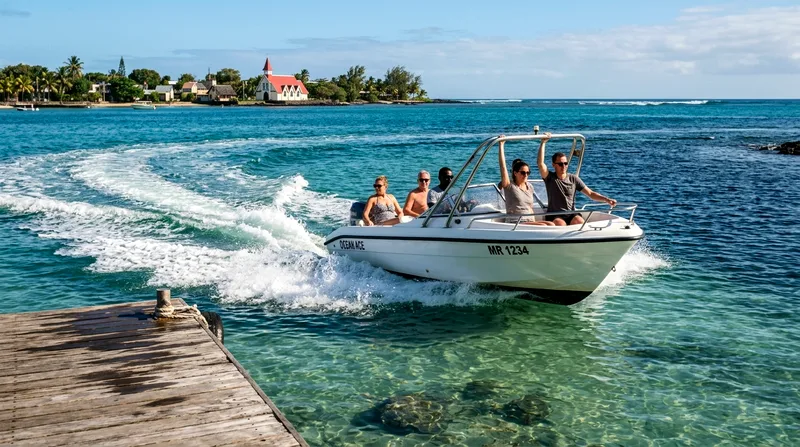
There's no public ferry service to Gabriel Island or Flat Island — this isn't like hopping a scheduled boat to a Thai island off Phuket. Every visit happens via a chartered or small-group tour, usually a half-day or full-day northern islands Mauritius boat trip departing from Grand Baie, Cap Malheureux, or occasionally Trou aux Biches.
A northern islands boat trip to Gabriel Island and Flat Island offers smaller groups and better snorkelling clarity than the busier southern island circuit, at a similar price point.
Gabriel Island Flat Island boat tour options compared to other Mauritius island trips
| Tour/Route | Typical duration | Group size | Price range (per adult) | Best for |
|---|---|---|---|---|
| Gabriel & Flat Island (north) | 4-7 hours | Small (8-20) | €30-€70 | Snorkelling, birdwatching, fewer crowds |
| Île aux Cerfs (south) | 5-8 hours | Large (30-60+) | €25-€60 | Beach parties, families, easy booking |
| Île aux Benitiers (south) | 4-6 hours | Medium (15-30) | €25-€55 | Underwater waterfall viewpoint, snorkelling |
| Coin de Mire pass-by (north, add-on) | 1-2 hours extra | Same as host tour | Included or +€10-€20 | Birdwatching, scenery |
| Private charter (north) | Flexible | 1-10 | €150-€500+ total | Flexibility, privacy |
Prices and durations are typical ranges based on general market rates; always check current prices and inclusions before booking.
Guided boat tours from the north
Most tours bundle Gabriel Island, Flat Island, and sometimes a pass by Coin de Mire into one outing, typically 4 to 7 hours including snorkel stops, beach time, and a lunch break (often a barbecue on Gabriel Island itself). Group sizes on northern tours run smaller than the big southern catamarans — think 8 to 20 people on a speedboat rather than 40+ on a party catamaran. That's a genuine advantage if you dislike crowded group tours, but it also means less redundancy if weather cancels one operator's departure; you may have fewer backup options than you would in Grand Baie's busier southern-tour market.
Independent travel considerations
Technically you could hire a private skipper out of Goodlands or Grand Baie rather than join a group tour, and some travelers do this for flexibility — you set your own schedule, choose your own snorkel spots, skip the fixed lunch stop. Expect to pay considerably more per person for a private charter versus a shared group tour, and you'll need to negotiate directly with boat owners, which carries more risk around safety standards and insurance than booking through an established tour platform. For most visitors, especially families and first-timers, a guided group tour is the more sensible choice.
Tickets, Costs, and Booking
There's no "entry ticket" to Gabriel Island or Flat Island themselves since they're uninhabited reserves — what you're paying for is the boat transport, equipment, and usually a meal.
Typical pricing and inclusions
Expect a northern islands boat excursion to run somewhere in the broad range of MUR 1,500 to MUR 3,500 per adult (roughly €30 to €70), depending on whether lunch, snorkel gear, and hotel transfers are included. Full-day trips with a barbecue lunch sit at the higher end; shorter half-day snorkel-focused trips cost less. Children often get a discounted rate, sometimes 50%, though always confirm the age cutoff — it varies by operator. These are indicative ranges only; check current prices and exact inclusions when booking, since fuel costs and seasonal demand shift pricing.
Booking platforms and operators
Book through your hotel tour desk, a reputable online booking platform, or directly with operators based in Grand Baie or Cap Malheureux. Avoid booking with unlicensed beach touts offering suspiciously cheap "private boat" deals — Mauritius has had safety incidents involving unregistered boats, and northern crossings are rougher water than the sheltered southern lagoons, so licensing and proper life-jacket provision matter more here. Compare current boat tours and prices before you book, and check whether the operator holds a Mauritius Tourism Authority license.
Best Time to Visit
Timing matters more for this route than for sheltered southern lagoon tours, because the open-water crossing is genuinely affected by swell and wind direction.
Seasonal weather and sea conditions
The austral winter months, roughly May through October, bring the southeast trade winds that can make the crossing to Gabriel Island choppy, sometimes choppy enough that operators cancel outright on windy days. November through April is generally calmer and warmer, though it's also cyclone season, which brings occasional multi-day disruptions rather than daily rough seas. If you're planning this as a fixed highlight of a short trip, build in a flexible day or two — unlike a Santorini catamaran tour in the sheltered Aegean, this crossing genuinely depends on conditions, and operators will reschedule rather than risk the trip.
Crowd levels by season
Even at peak European winter season (December–February, when French and other European travelers flood Mauritius), the northern islands stay noticeably quieter than the south simply because fewer operators serve the route and the crossing deters casual day-trippers. If avoiding crowds is your main priority, this is one of the few Mauritius boat experiences where you don't need to chase an off-peak month — it's relatively uncrowded most of the year by comparison with Île aux Cerfs or Île aux Benitiers.
Nearby Add-Ons and Extensions
Since you've already made the trip north, it's worth stacking a couple of extensions onto the day rather than treating Gabriel Island as an isolated stop.
Other northern island tours
Coin de Mire (Gunner's Quoin), a dramatic volcanic islet visible from both Gabriel and Flat Island, is sometimes included as a boat pass-by on the same tour, though landing there is more restricted due to its steep terrain and protected status. Some operators also combine a stop at Île d'Ambre. If birdwatching is your priority over swimming, ask specifically whether your tour includes a slow pass along Coin de Mire's cliffs — not every package does.
Coastal activities and beaches
Pereybere Beach, a short drive from Grand Baie, is the natural pre- or post-tour stop — a public beach with food vendors and calm swimming water, useful if your boat returns mid-afternoon and you want a low-key finish to the day. Goodlands, further inland, is more about local markets and daily life than beach activities, worth a quick pass-through rather than a dedicated stop. Compared to staging a boat day from Réunion Island's rockier coastline, Mauritius's north has an easier, more beach-friendly build-up and wind-down around the tour itself.
Frequently asked questions
What marine life can you see snorkelling at Gabriel Island?
Expect parrotfish, surgeonfish, damselfish, and healthy patches of coral along the reef flats between Gabriel and Flat Island, with occasional reef sharks in the deeper channel. Visibility is generally better than the busier southern lagoons because boat traffic and sediment disturbance are lower. Don't expect Maldives-level coral coverage — cyclone damage over the decades has left some patches as rubble rather than intact reef.
How long does a Gabriel Island and Flat Island boat tour take?
Most guided tours run 4 to 7 hours total, including the open-water crossing (20-40 minutes each way depending on departure point), snorkel stops, beach time, and usually a barbecue lunch on Gabriel Island. Half-day options exist and run shorter, typically skipping the full lunch stop.
Can you visit Gabriel Island and Flat Island independently?
There's no public ferry, so independent visits mean hiring a private skipper directly from Grand Baie, Cap Malheureux, or Goodlands. This costs considerably more per person than a shared group tour and carries more risk around safety standards unless you verify the boat is licensed. For most travelers, a guided group tour is simpler and safer.
What should you bring on a northern islands boat tour?
Reef-safe sunscreen, a hat, your own water bottle, a light towel, and waterproof storage for your phone and valuables since boats to Gabriel Island often beach directly or use a wet dinghy transfer. Snorkel gear is usually included, but bring your own mask if you're particular about fit — shared gear quality varies between operators.
Are Gabriel Island and Flat Island suitable for families?
Yes, with caveats. The crossing is choppier than sheltered southern lagoon routes, which can be uncomfortable for young children or anyone prone to seasickness. Families with confident swimmers aged 6 and up generally manage fine; those with toddlers or non-swimmers may find the southern island tours, with their calmer lagoon water, an easier first choice.