Explore Coin de Mire (Gunner's Quoin) on a boat tour from Cap Malheureux. Snorkel, dive, and discover this volcanic islet off Mauritius's north coast.
What is Coin de Mire and Why Visit
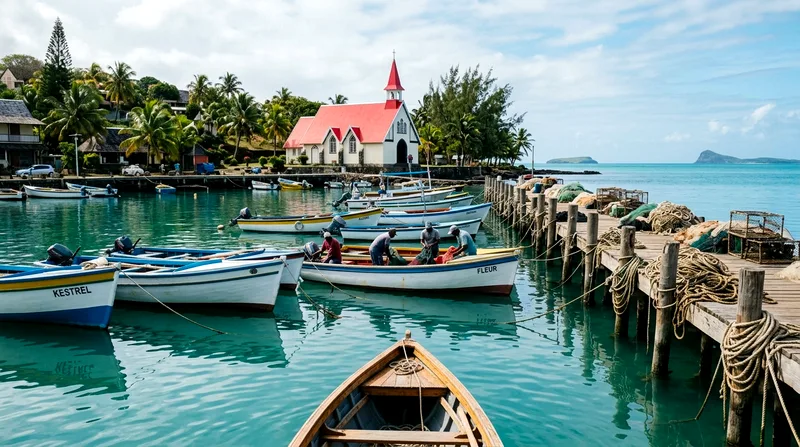
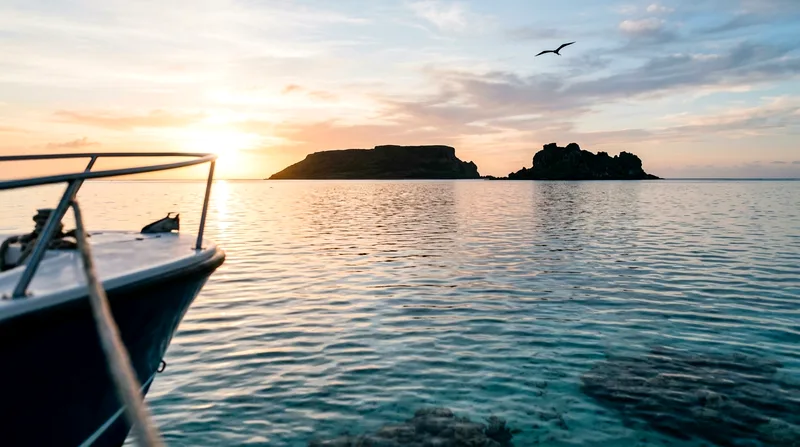
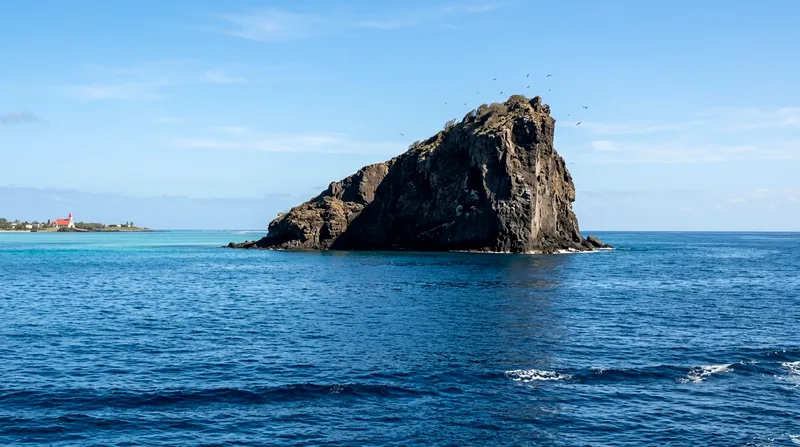
Coin de Mire — known in English as Gunner's Quoin — sits roughly 6 to 8 kilometres off Cap Malheureux, the fishing village that marks the northernmost point of Mauritius. From a distance it looks like a wedge of rock dropped into the Indian Ocean, which is exactly the resemblance that gave it both its names: the French "coin" means wedge, and British sailors thought it resembled a gunner's quoin, the wooden block used to adjust cannon angles. It's uninhabited, unspoiled by any resort development, and protected as a nature reserve, which is precisely why a Coin de Mire boat tour feels different from the catamaran trips that stop at Île aux Cerfs or Île aux Bénitiers further south.
I'd put this islet in a different category from Mauritius's other boat-trip islands. It's not a lagoon stop with sand and deck chairs — there's no beach to land on, and access to the islet itself is restricted to protect nesting seabirds, including red-tailed tropicbirds. What you're really booking is the crossing and the water around it, not a day on an island. If you're expecting something like Île aux Cerfs with its beach bars and watersports, you'll be let down. If you want dramatic scenery and quiet snorkelling away from the tourist-boat convoys, this is one of the better choices on the north coast.
Geology and landscape
Coin de Mire is a volcanic remnant, part of the same eruptive activity that built Mauritius itself roughly 8 million years ago, though the islet's exposed basalt cliffs are younger erosion features carved into older rock. The result is steep, dark cliffs rising close to 162 metres above sea level on one side, with a more gradual slope on the leeward face. Seen from a boat, the contrast between the sheer rock face and the pale, shallow water around its base is the main visual payoff — it photographs well, and it's the kind of landscape that makes the short crossing worthwhile even before you get in the water.
Snorkelling and diving conditions
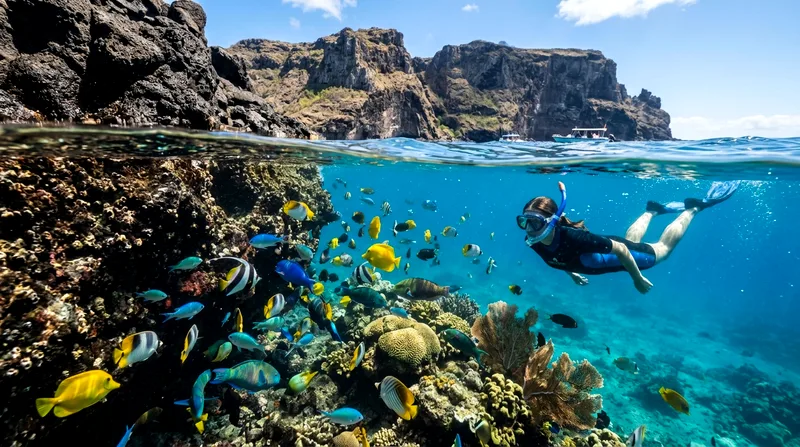
The snorkelling around Coin de Mire's base is generally better than at the more crowded lagoon islands, mainly because fewer boats stop here and the water isn't constantly churned by jet skis. Expect to see parrotfish, surgeonfish, butterflyfish and the occasional reef shark in the shallower rocky areas, with visibility that's often better than 10 metres on a calm day. For divers, the area offers depths from around 6 metres down to 30 metres on some sites nearby, with volcanic rock formations, swim-throughs and occasional sightings of eagle rays. It's not a world-class dive destination on the level of the Maldives' atolls, but it's a legitimate step up from the shallow lagoon diving most resorts offer.
How to Get There and Book
Every Coin de Mire boat tour starts from the north coast, and Cap Malheureux is the obvious launch point — it's the closest village to the islet and has a working fishing harbour with boats that already run this route regularly. Some tours also depart from Grand Baie, about 15 minutes further by road, which adds roughly 20-30 minutes of extra boat time to reach the islet but puts you closer to the main hotel strip if you're staying there.
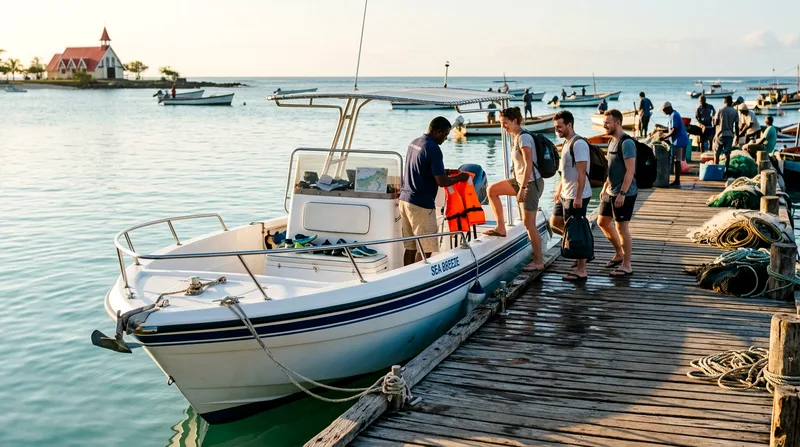
Guided half-day tours from Cap Malheureux suit most visitors, while private charters and multi-island combos trade cost against flexibility and time.
Coin de Mire boat tour options from Mauritius's north coast compared
| Option | Typical duration | Crossing time | Best for | Landing on islet |
|---|---|---|---|---|
| Guided half-day tour (Cap Malheureux) | 3-4 hours | 20-30 min | First-timers, families, snorkellers | No |
| Guided half-day tour (Grand Baie) | 4-4.5 hours | 40-60 min | Hotel-strip based travellers | No |
| Private boat charter | Flexible, 3-6 hours | 20-30 min | Groups, boaties, divers | No |
| Combined Coin de Mire + Île Plate day tour | 6-7 hours | 20-30 min (plus inter-island legs) | Full-day snorkelling fanatics | No |
| Dive-focused trip with dive centre | 4-5 hours | 20-30 min | Certified divers | No |
Durations and crossing times are typical and vary with sea conditions and departure point; always confirm with the operator before booking.
Departure from Cap Malheureux
Cap Malheureux itself is worth arriving at a little early for — it's a small village best known for the red-roofed Notre-Dame-Auxiliatrice-du-Perpétuel-Secours church, a frequently photographed landmark right by the water. Boats typically leave from the small harbour area, and the crossing to Coin de Mire takes about 20 to 30 minutes depending on sea conditions and boat speed. The sea here is more open than the sheltered lagoon waters further south, so the ride can be noticeably choppier, especially with afternoon wind. If you get seasick easily, take tablets beforehand and try to book a morning departure, when the water is usually calmer.
Booking options and what to expect
Most visitors book through a tour operator rather than arranging a boat independently, and for this particular trip that's the sensible default — more on that trade-off below. A typical half-day Coin de Mire tour runs 3 to 4 hours door-to-door, including the crossing, time snorkelling around the islet's base, and the return trip; some operators combine it with a stop near Île Plate or a sandbank for lunch. Snorkelling gear is usually included; diving is normally arranged separately with a certified dive centre, since the boat tour operators themselves aren't always PADI or SSI affiliated. Always check current prices and what's included — gear, drinks, lunch — when you book, since this varies a lot between operators and the widget on this page shows live options to compare.
Independent vs Guided Tours
This is one of the north coast excursions where I'd lean firmly toward a guided tour rather than self-arranging. The crossing isn't technically difficult, but the open water between Cap Malheureux and the islet can turn rough quickly, and local boat operators know the safe anchoring spots around Coin de Mire's base — landing on the islet itself is prohibited, so there's no margin for improvising a different plan if conditions change.
Self-arranged boat hire
It is possible to hire a private boat and skipper directly through fishermen or small operators based in Cap Malheureux or Grand Baie, and this can work out cheaper per person if you've got a group of four or more. The downside is inconsistency — you're relying on word-of-mouth or on-the-spot negotiation rather than a reviewed service, there's no guaranteed snorkelling gear, and insurance cover can be unclear. I wouldn't recommend this route for first-time visitors or solo travelers; it works better for boaties who already know the area or have a local contact.
Organised tour operators
Booking through an established tour operator costs more but includes safety equipment, a set itinerary, and usually a guide who can point out marine life and explain the islet's seabird colonies. For families with children or senior travellers, this is the safer and more comfortable option — boats used for organised tours tend to be larger, more stable catamarans or speedboats rather than small fishing vessels. The trade-off is less flexibility: you're on a fixed schedule and shared boat, so you can't linger an extra hour at a good snorkel spot the way you might on a private charter.
Best Time to Visit
Timing matters more for Coin de Mire than for sheltered lagoon trips, because the open-water crossing is directly exposed to wind and swell coming off the Indian Ocean.
Seasonal weather and sea conditions
The best window is roughly October through April, during the warmer, wetter season, when winds are generally lighter outside of cyclone events — though you should always check forecasts, since this period does carry cyclone risk from January to March. The cooler, drier months from June to September bring the southeast trade winds, which can make the Cap Malheureux crossing choppier and occasionally cancel smaller boat trips altogether. Morning departures, generally before 10am, tend to have calmer water across both seasons, before the afternoon breeze picks up.
Crowd levels and visibility
Coin de Mire sees far fewer boats than Île aux Cerfs or Île aux Bénitiers, so crowding isn't a major issue even in peak season (July-August and December-January school holidays). Underwater visibility is best on calm, sunny days with minimal recent rainfall, since runoff from the north coast rivers can cloud nearshore water after heavy storms. If snorkelling clarity is your priority over guaranteed warm weather, aim for September or October, when seas are settling after winter but before the wettest months set in.
Nearby Attractions and Add-ons
Treat the Coin de Mire crossing as the centrepiece of a north coast day rather than the only stop, since the surrounding area has enough to fill several hours before or after.
Cap Malheureux and local beaches
Cap Malheureux's red-roofed church and small harbour are worth 30 minutes before your boat departs, and there are a couple of casual seafood stalls near the waterfront for an early lunch. Nearby beaches like Grand Baie and Pereybère are a short drive away and make sense as an afternoon follow-up once you're back on land — Pereybère in particular has calmer, shallower water that's a good contrast after an open-water boat trip.
Combined north coast itineraries
Some operators combine Coin de Mire with a stop at Île Plate (Flat Island) or a sandbank further out, extending the trip to a full day of 6-7 hours. This suits snorkelling fanatics and families wanting more water time for the price of one boat booking, though it does mean a longer day on the water — worth considering against seasickness tolerance and young children's patience. Compared with a Zanzibar dhow trip to Mnemba or a Phuket island-hopping speedboat day, the Coin de Mire itinerary is shorter and more focused, which some travellers will prefer and others will find limiting if they want a full day out.
Frequently asked questions
How long is the boat ride from Cap Malheureux to Coin de Mire?
Expect about 20 to 30 minutes each way in normal conditions, depending on the boat and sea state. It's open water rather than sheltered lagoon, so the ride can feel longer and choppier than a similar distance inside a reef — budget extra time if departing from Grand Baie instead, which adds another 20-30 minutes.
What marine life can you see while snorkelling at Coin de Mire?
Around the rocky base you'll typically spot parrotfish, surgeonfish, butterflyfish and wrasse, with reef sharks occasionally seen in deeper sections. Visibility often exceeds 10 metres on calm days, which is better than many lagoon snorkel spots closer to the main hotel beaches.
Is Coin de Mire suitable for beginner divers?
Some sites nearby sit at manageable depths around 6-12 metres and work for beginners with an instructor, but other spots drop to 30 metres with currents that suit certified, experienced divers better. Book through a recognised dive centre that assesses your certification level before assigning a site.
Can you visit Coin de Mire independently or only on a tour?
You can technically hire a private boat and skipper independently from Cap Malheureux, but landing on the islet is prohibited regardless, since it's a protected seabird reserve. Most visitors book a guided tour for the safety equipment and local knowledge of anchoring spots, especially given the open-water crossing.
What should you bring on a Coin de Mire boat tour?
Reef-safe sunscreen, a hat, seasickness tablets if you're prone to motion sickness, a towel, and water shoes for getting in and out of the boat over rocky shallows. Most operators provide snorkelling masks and fins, but bringing your own ensures a better fit, particularly for children.