Mauritius boat tours in winter (June–Sept): weather, whale-watching, sea conditions, and which trips run reliably during the dry season.
Weather and Sea Conditions in Winter
Winter in Mauritius runs roughly June through September, and it's the dry season — the one locals call the "cool season," though cool is relative. Mauritius boat tours in winter happen under air temperatures of about 17-25°C, a noticeable drop from the sticky 30°C-plus days of January. For anyone coming from Northern Europe, it still feels like a mild summer. The real story for boat tours, though, isn't the air — it's the wind and the swell.
The southeast trade winds strengthen during this period, blowing fairly consistently at 15-25 km/h, occasionally gusting higher. That wind pushes against the island's exposed east and south coasts, generating a swell that can make open-water trips bumpy even on an apparently sunny day. This is different from the cyclone-season volatility of January to March; winter weather is more stable day-to-day, just windier as a baseline.
Temperature and Wind Patterns
Expect consistent southeasterly trades rather than sudden storms. Mornings tend to be calmer — wind typically picks up from mid-morning onward, which is why most reliable operators schedule lagoon and reef trips for 8am to 11am departures. If you're booking a full-day catamaran tour, ask whether it returns before early afternoon, when wind and chop are usually at their worst. Water temperature drops to around 22-24°C, still swimmable but noticeably cooler than the 27-29°C of summer — a light rash guard or shorty wetsuit makes snorkeling stops far more comfortable.
Wave Height and Visibility
On the west coast — Trou aux Biches, Flic en Flac, the Bay of Tamarin — the lagoon is largely shielded by the barrier reef, so wave heights inside the reef stay manageable, often under half a metre. Outside the reef, in open channels, swell can reach 1.5-2.5 metres on windier days. Underwater visibility actually improves in winter in many spots because there's less rainfall runoff and algae bloom than in the humid summer months, which is good news for snorkelers and glass-bottom boat passengers even if the ride out is a little rougher than you'd like.
Whale-Watching Season Overlap
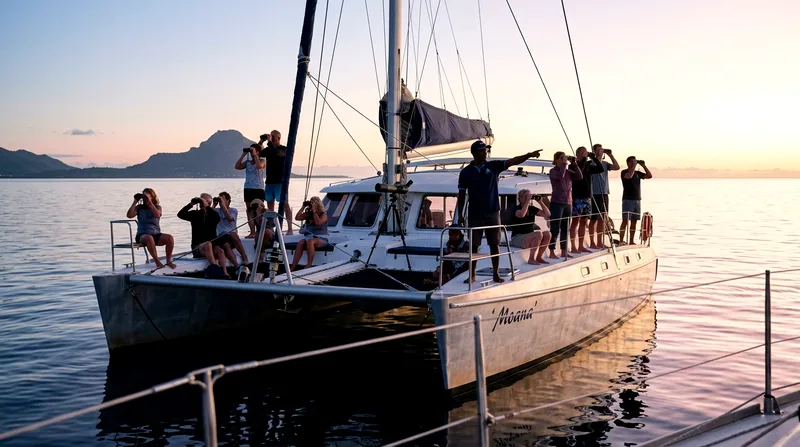
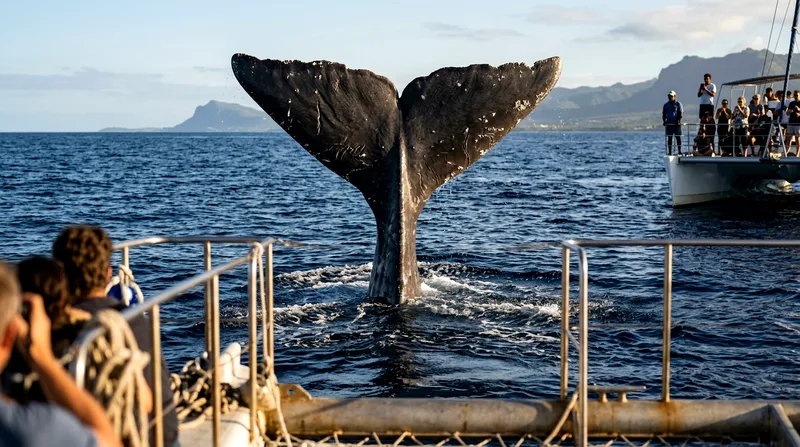
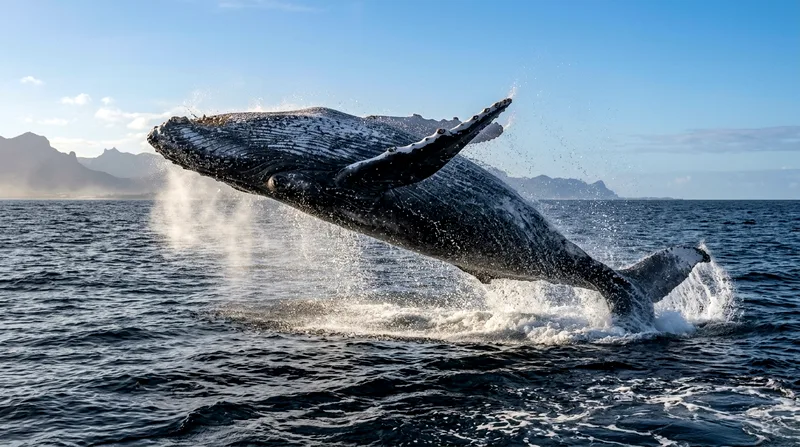
This is the headline reason many travelers specifically seek out Mauritius boat tours in winter. Humpback whales migrate through Mauritian waters during the austral winter, generally from July through September, with sperm whales sometimes spotted slightly earlier or later. This isn't as famous or as densely populated as whale-watching in Tonga or parts of Australia's east coast, but sightings are genuine and the experience is far less crowded than, say, whale-watching boats out of the Whitsundays.
Peak Migration Months
August is generally the strongest month for humpback sightings, with July and early September also productive. Operators running whale-watching trips, mostly out of the west coast around Tamarin and Rivière Noire, typically go out in small rigid-hull boats rather than large catamarans — smaller boats can follow pods more closely and react to sightings. Don't expect guaranteed breaches like you might plan around in peak-season Mexico or South Africa; Mauritius sightings are good but not a sure thing, and ethical operators keep a respectful distance rather than chasing animals for photos.
Tour Types and Viewing Opportunities
Dedicated whale-watching tours differ from standard lagoon or snorkeling trips — they run longer, often 3-4 hours, and head further offshore toward deeper channels where whales pass. If whale-watching is your priority, book a tour marketed specifically for that purpose rather than hoping a general catamaran cruise will cross paths with a pod. Some operators combine whale-watching with dolphin-spotting near the same stretch of coast, since the same deep channels that attract whales also see resident dolphin pods year-round. Compare current whale-watching tours and prices before you book, since availability narrows as August approaches.
Which Tours Run Reliably
Not every Mauritius boat tour handles winter conditions equally well, and this is where planning saves you a ruined morning. The island's lagoon system — one of the most extensive in the Indian Ocean — is the saving grace of winter boat travel here, because the barrier reef absorbs most of the swell before it reaches the inner water.
Sheltered lagoon and reef tours run consistently through winter, while open-ocean and headland-crossing trips are the most likely to be cancelled or rough.
Mauritius boat tours winter reliability by type and location
| Tour Type | Typical Location | Winter Reliability | Best For | Seasickness Risk |
|---|---|---|---|---|
| Lagoon cruise (Île aux Cerfs) | East coast, Trou d'Eau Douce | High | Families, groups | Low |
| Glass-bottom boat | Trou aux Biches, Grand Baie | High | Snorkelers, kids | Low |
| Sheltered bay catamaran | Bay of Tamarin, west coast | Moderate-High | Couples, photographers | Low-Moderate |
| Whale-watching excursion | Tamarin / Rivière Noire | Moderate | Wildlife enthusiasts | Moderate |
| South coast catamaran (open channel) | Blue Bay area | Moderate-Low | Experienced sailors | High |
| Deep-sea fishing charter | Open ocean, west/south | Low-Moderate | Fishermen | High |
Reliability depends on daily wind strength; always check the forecast and operator advice on the morning of travel.
Lagoon and Sheltered Bay Tours
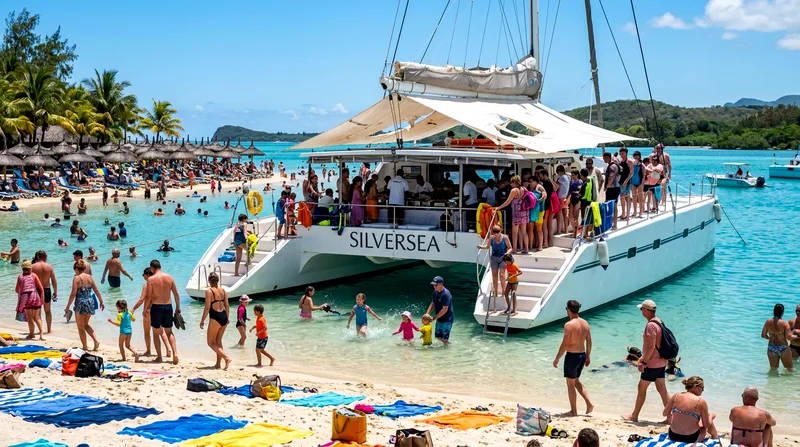
Trips to Île aux Cerfs, departing from Trou d'Eau Douce on the east coast, and lagoon cruises around Trou aux Biches or the Bay of Tamarin on the west, run reliably through winter because they stay largely within reef-protected water. These are a solid pick for families with children, seniors, and anyone nervous about motion sickness. The trade-off: east coast lagoon trips can still catch wind-driven chop near the reef passes, so mornings are genuinely calmer than afternoons here more than in other seasons.
Glass-Bottom and Catamaran Options
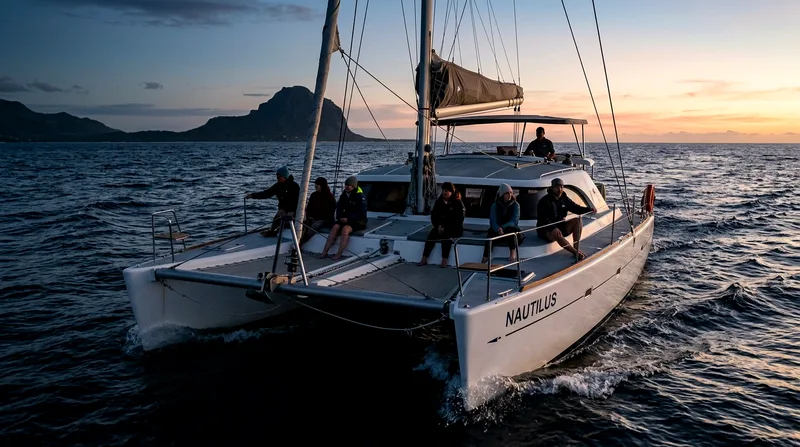
Glass-bottom boat tours over coral reefs near Trou aux Biches or Grand Baie operate nearly year-round because they stick to shallow, sheltered zones — these are a reliable winter choice precisely because they're not designed to go far offshore. Catamaran tours are more variable: a lagoon-hugging catamaran cruise to Île aux Cerfs is generally fine, but a catamaran itinerary that rounds a headland or crosses open channel — some south coast routes near Blue Bay do this — can get genuinely uncomfortable in a 20+ km/h southeasterly. Ask specifically about the route, not just the boat type, before booking.
Tours to Avoid or Reschedule
Some Mauritius boat tours in winter simply aren't worth the gamble unless you have flexible dates. It's not that they're unsafe when operators run them responsibly — reputable companies cancel in genuinely dangerous conditions — but the experience often isn't what you paid for.
Open-Ocean and Deep-Sea Excursions
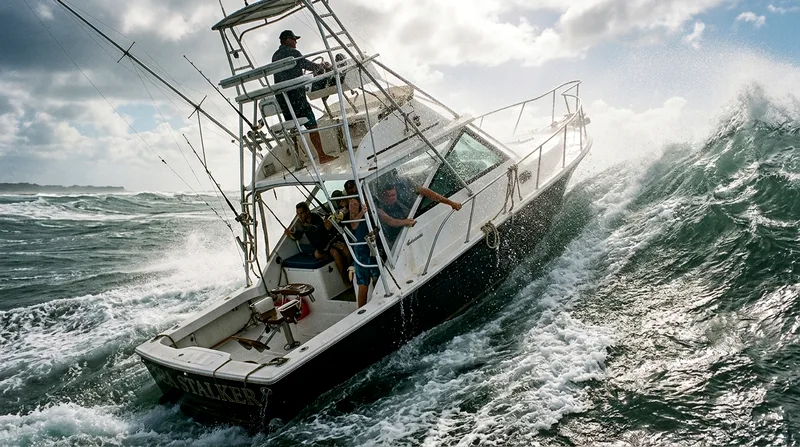
Deep-sea fishing charters targeting marlin or tuna, and any full-day excursion that heads well beyond the reef, are the trips most affected by winter swell. I'd avoid booking these as the centerpiece of a short trip unless you've built in a backup day — a 2.5-metre swell with 20-knot wind makes for a miserable few hours even for people who don't normally get seasick. Fishermen specifically targeting winter species like wahoo should ask operators about typical cancellation rates for the week they're visiting rather than assuming the charter will go out as booked.
Rough-Water Risk Factors
Watch for trips scheduled in the afternoon, since wind typically builds through the day; routes that cross exposed channels between islets; and any tour on a small open boat with no cabin or windscreen. If a quoted itinerary mentions rounding Pointe d'Esny, crossing toward Île aux Aigrettes, or heading to the outer reef drop-offs near the south coast, expect more motion than a west-coast lagoon trip. This is one area where Mauritius compares poorly to the Maldives' more consistently sheltered atoll lagoons, though it compares favorably to Réunion Island, which has almost no protective lagoon at all and far fewer calm-water options regardless of season.
What to Pack and Prepare
A little preparation changes a winter boat tour from endurance test to genuinely enjoyable outing, particularly for first-timers and anyone who hasn't sailed in swell before.
Seasickness Prevention
Take motion-sickness medication — standard options like meclizine or cinnarizine — at least 30-60 minutes before boarding, not after you start feeling queasy. Sit toward the middle of the boat, low and near the centerline, where motion is least exaggerated; avoid the bow on a catamaran in any swell. Ginger tablets and acupressure wristbands help some people but shouldn't be your only plan on a known rough day. If you're genuinely prone to seasickness, choose lagoon tours over whale-watching or open-channel catamaran routes — no amount of medication fully compensates for a genuinely rough crossing.
Clothing and Sun Protection
Bring a light windproof layer — temperatures on open water with 20 km/h wind feel noticeably cooler than on the beach, even at 24°C air temperature. A rash guard or shorty wetsuit helps with both sun and the cooler 22-24°C water. Reef-safe sunscreen matters here specifically because many winter tours stop over coral reefs near Trou aux Biches or Blue Bay, and reef damage from sunscreen chemicals is a real, documented concern in heavily visited lagoon areas. Pack a dry bag for phones and cameras — winter spray off the bow is more common than in the glassy summer lagoon conditions.
Frequently asked questions
Is it safe to take boat tours in Mauritius during winter?
Yes, generally — lagoon and reef-sheltered tours run safely and reliably from June through September. Open-ocean trips, including some whale-watching and deep-sea fishing charters, face higher cancellation rates and rougher conditions due to stronger southeast trade winds. Reputable operators cancel or reschedule when swell exceeds safe limits, so treat a cancellation as a sign the operator is being responsible, not a nuisance to argue against.
What is the best time to see whales on Mauritius boat tours?
August is typically the peak month for humpback whale sightings, with July and early September also productive. Book a tour specifically marketed for whale-watching rather than a general lagoon cruise, since dedicated trips head to deeper offshore channels where whales are more likely to pass.
Which boat tours operate during the dry season?
Lagoon cruises to Île aux Cerfs, glass-bottom boat tours near Trou aux Biches and Grand Baie, and sheltered catamaran trips around the Bay of Tamarin run reliably throughout the dry season. These stay largely within the reef-protected lagoon, avoiding the worst of the winter swell that affects open-channel and open-ocean routes.
What should I wear on a winter boat tour in Mauritius?
Wear a light windproof layer over swimwear, since wind on open water makes 22-25°C feel cooler than it does on land. A rash guard or shorty wetsuit helps with both sun exposure and the slightly cooler 22-24°C water. Bring reef-safe sunscreen and a hat with a strap, since winter wind easily takes loose hats overboard.
Are lagoon tours calmer than open-ocean tours in winter?
Almost always, yes. Mauritius's barrier reef absorbs most of the ocean swell before it reaches the inner lagoon, so trips to Île aux Cerfs, Trou aux Biches, or sheltered parts of the Bay of Tamarin stay comparatively calm even when open-channel and offshore routes are choppy with 1.5-2.5 metre swell.