Worried about Mauritius boat tour seasickness? Find calm lagoon routes, catamaran stability tips, and medical remedies for nervous first-timers.
Why Seasickness Happens on Boat Tours
Mauritius boat tour seasickness isn't random bad luck — it's a predictable mismatch between what your eyes see and what your inner ear feels. On a boat, your eyes often fix on a stable deck or horizon while your vestibular system registers roll, pitch and yaw. The brain gets conflicting signals, and nausea is its blunt way of saying something's wrong. This happens to experienced sailors too, not just nervous first-timers, though repeated exposure does build tolerance over weeks, not hours.
Water conditions change this risk substantially around Mauritius. Inside the lagoon, the surrounding reef breaks incoming Indian Ocean swell before it reaches the boat, so wave height rarely exceeds 20-30cm on a calm day. Outside the reef passes — heading to deep-sea fishing grounds or crossing open channels between islands — swell can run 1-2 metres even in good weather, and the boat's motion becomes far more irregular and harder for your body to anticipate.
Inner Ear Motion Sensitivity
Some people are simply more sensitive than others, and it's not about fitness or bravado. Children aged 2-12 and pregnant women tend to report higher rates of motion sickness, while infants under two are rarely affected because their vestibular systems aren't fully developed. If you get carsick reading in a vehicle or feel queasy on amusement rides, assume you're in the higher-risk group for any Mauritius boat tour and plan accordingly — don't wait to find out mid-crossing.
Water Conditions and Wave Patterns
Trade winds typically pick up through the Southern Hemisphere winter months (roughly June to September), making the east and south coasts choppier than the sheltered west and northwest. The lagoon around Trou aux Biches on the northwest coast stays notably flat most of the year because it's protected from the prevailing southeast trade winds. If you're booking in winter, favor west-coast departures over east-coast ones — it's a simple swap that meaningfully cuts your motion exposure.
Calmest Boat Routes in Mauritius
If seasickness is your main worry, route selection matters more than any pill. Lagoon-sheltered tours keep you inside the reef barrier the entire trip, which removes most of the swell that causes nausea in the first place. Routes that cross open channels or head to outer reef passes expose you to real ocean motion, even on an otherwise calm day.
Lagoon-sheltered catamaran routes carry the lowest seasickness risk, while open-water speedboat crossings carry the highest.
Mauritius boat tour seasickness risk by route and vessel type
| Route/Vessel | Water Exposure | Typical Motion | Seasickness Risk | Best For |
|---|---|---|---|---|
| Île aux Cerfs catamaran | Lagoon, short open stretch | Gentle, occasional sway | Low | Families, seniors, first-timers |
| Trou aux Biches bay cruise | Fully sheltered bay | Minimal | Very low | Anxious travelers, young children |
| Blue Bay glass-bottom boat | Shallow lagoon | Minimal | Very low | Snorkelers, calm-water seekers |
| Deep-sea fishing charter | Open ocean | Rolling, irregular swell | High | Experienced boaties, fishermen |
| Speedboat island-hopping | Mixed lagoon/open channel | Bouncing, abrupt | Moderate to high | Thrill-seekers, confident sailors |
Risk levels are general patterns, not guarantees — wind, tide and season shift conditions daily, so check forecasts before booking.
Lagoon-Sheltered Tours
The classic Île aux Cerfs route, launched from the east coast around Trou d'Eau Douce, runs almost entirely through protected lagoon water before a short, usually gentle stretch near the GRSE river mouth. It's one of the most popular day trips in Mauritius precisely because the water stays flat enough for families with toddlers and seniors with balance issues. Compare that to a Mnemba Atoll-style excursion off Zanzibar, which often involves a longer open-water transfer — Mauritius's lagoon geography genuinely works in the nervous traveler's favor here.
Protected Bay Excursions
Trou aux Biches and the wider Grand Baie area offer short catamaran cruises that rarely leave the bay's calm water, making them a sensible starting point if you've never been on a boat tour before. These trips won't have the dramatic open-water snorkeling of a Blue Bay or Flic en Flac excursion, but they're close to a guaranteed calm ride. I'd steer a first-timer toward one of these before recommending anything billed as a "speed" or "adventure" cruise.
Catamaran vs. Speedboat Stability
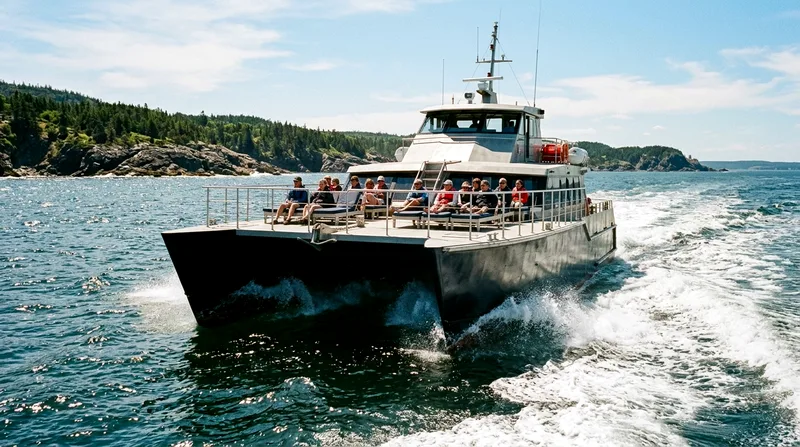
Vessel choice is the second biggest lever after route selection, and it's one many travelers overlook when comparing prices rather than hull types. A catamaran's twin-hull design and a speedboat's single-hull planing design respond to waves in fundamentally different ways, and that difference is exactly what your inner ear notices.
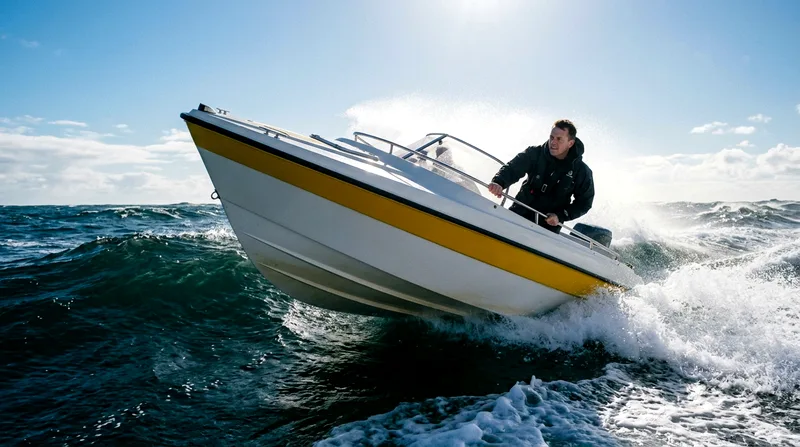
Catamaran Design Advantages
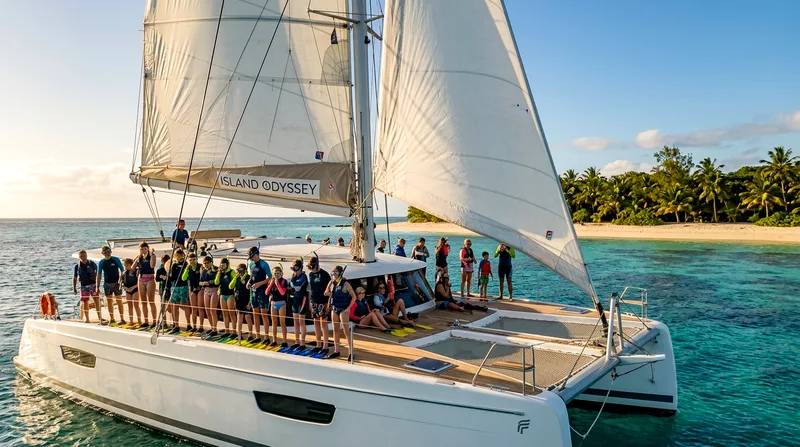
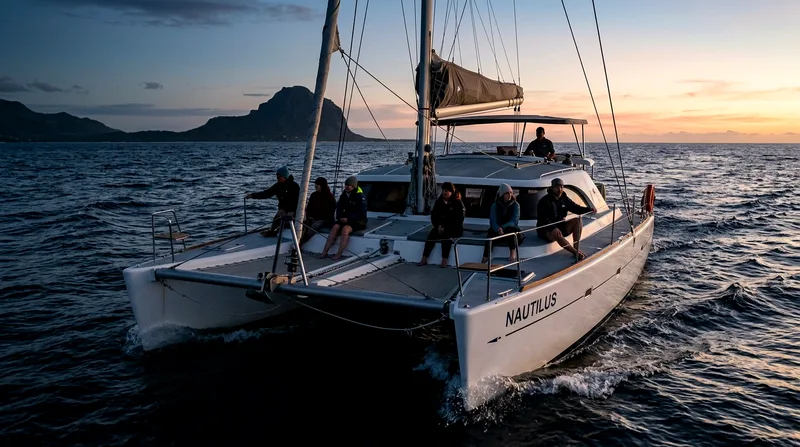
Catamarans sit on two parallel hulls spaced wide apart, which gives them a much lower roll angle than a single-hull boat in the same conditions — think of the difference between standing on one plank versus two planks lashed together. This is why most full-day Mauritius lagoon tours, including Île aux Cerfs trips, use catamarans rather than speedboats. They're slower, generally cruising at 8-15 knots rather than 25-30+, but that lost speed buys you a flatter, more predictable ride. If seasickness is your priority over adrenaline, this is the boat you want.
Speedboat Motion Differences
Speedboats plane across the water at higher speed, which means they slap down repeatedly on wave crests rather than gliding through them. That repetitive jolt — short, sharp drops rather than a catamaran's slow roll — triggers motion sickness faster in sensitive individuals, even over a shorter total trip time. Speedboats make sense for short dolphin-watching runs off Tamarin or quick transfers, but I wouldn't choose one for anything longer than 30-45 minutes if you're prone to nausea. It's a genuine trade-off: speed and excitement against comfort.
Medical and Natural Prevention Tips
Seasickness prevention works best as a layered approach — route and vessel choice first, then medication or natural remedies as a backup, not a substitute. Relying on a wristband alone for an open-water deep-sea fishing trip while ignoring vessel type is where most prevention plans fail.
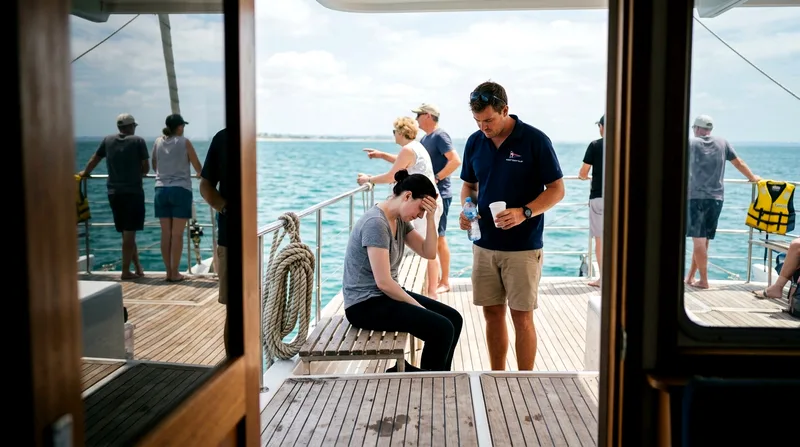
Medication Options and Timing
Dramamine (dimenhydrinate) and similar over-the-counter antihistamines remain the most widely used option among travelers, and timing matters more than the brand. Take it 30-60 minutes before boarding, not once you're already at the dock feeling uneasy — once nausea starts, oral medication absorbs more slowly and works far less effectively. Prescription scopolamine patches, applied behind the ear several hours ahead, suit longer trips like a full-day Île aux Cerfs or deep-sea fishing charter, but they require a prescription in most countries, so sort this out before you travel rather than hunting for a pharmacy in Mauritius. Be aware both options can cause drowsiness — not ideal if you wanted to be alert for snorkeling.
Ginger, Acupressure, and Lifestyle Prep
Ginger — as capsules, tea, or crystallized candy — has reasonable evidence behind it for mild nausea and carries none of the drowsiness risk of antihistamines; pack some regardless of whether you also medicate. Acupressure wristbands, worn on the inner wrist at the P6 point, have weaker and more mixed evidence; some travelers swear by them, but I wouldn't bet an entire day trip on one alone. Beyond remedies, basic prep helps: eat a light meal beforehand rather than going empty-stomach or overeating, avoid alcohol the night before, and skip reading or scrolling your phone once onboard — fix your eyes on the horizon instead.
What to Do If Seasickness Occurs
Even with good preparation, some people will still feel queasy, particularly on longer catamaran trips that briefly cross open water or on choppier winter-season departures. Knowing what to do in the moment matters as much as prevention.
Immediate Relief Strategies
Move to the center of the boat, low and near the waterline, where motion is least exaggerated — the bow and upper decks swing through a wider arc and will make things worse. Get fresh air rather than retreating below deck or into a cabin, and keep your eyes on a fixed point on the horizon rather than on the water moving past the hull. Sipping water and nibbling plain crackers or ginger candy can settle a mild wave of nausea; cold water splashed on the face and wrists also helps some people reset.
When to Inform Crew
Tell the crew as soon as you feel the first signs of queasiness, not after you're already unwell. Most Mauritius boat tour operators deal with this regularly and can reposition you, slow the boat, or adjust the route slightly if conditions allow — they'd rather know early. Don't feel embarrassed; crew on lagoon catamarans running Île aux Cerfs or Blue Bay routes see this often enough that it's routine for them, not an inconvenience.
Frequently asked questions
Which Mauritius boat tours have the calmest water?
Lagoon-sheltered routes are calmest: the Trou aux Biches bay cruises, Blue Bay glass-bottom boat trips, and most of the Île aux Cerfs catamaran route (apart from a short open stretch near the river mouth). These stay inside the reef barrier, where wave height is usually under 30cm even on breezy days.
Is a catamaran or speedboat better for seasickness?
A catamaran, almost always. Its twin-hull design cuts roll significantly compared to a speedboat's single hull, which slaps against waves at higher speeds. Choose a catamaran for anything longer than 30-45 minutes, and save speedboats for short dolphin-watching runs or transfers if you're prone to nausea.
What medication should I take before a boat tour?
Dramamine or a similar over-the-counter antihistamine, taken 30-60 minutes before boarding, works for most people on half-day or full-day trips. For longer excursions like deep-sea fishing charters, a prescription scopolamine patch applied hours in advance lasts longer, but arrange it with a doctor before your trip, not in Mauritius.
Do acupressure wristbands work for seasickness?
Evidence is mixed — some travelers find real relief from P6-point pressure on the inner wrist, others notice nothing. They're inexpensive and have zero side effects, so there's little downside to trying one, but don't rely on it as your only defense on a choppy open-water route.
How far in advance should I prepare for seasickness?
Start the night before: avoid heavy drinking, sleep reasonably well, and pack ginger candy or capsules. On the morning of the tour, eat a light meal and take oral medication 30-60 minutes before boarding — once nausea sets in, remedies work far less effectively.