Explore Mauritius boat tours summer (Nov–Apr). Warm waters, cyclone risks, peak crowds, and how to book the best season experience.
Summer Season Overview: November to April
Mauritius sits south of the equator, so its summer runs opposite to Europe's — November through April, with the water at its warmest and the island at its greenest. For boat tour planning, this is the single most important fact to internalize: a "summer boat tour Mauritius" search in July won't find summer conditions at all, since July is deep in the island's cool, dry winter.
Summer here means air temperatures regularly between 28°C and 33°C, sea temperatures hovering around 26-29°C, and short, intense rain showers that usually clear within an hour. It's also the Indian Ocean's cyclone season, running officially from November to April, which is the trade-off nobody mentions when they picture Mauritius Boat Tours in brochure photos.
What defines summer in Mauritius
Locals call it the "hot and wet" season, as opposed to winter's "cool and dry" months (May to October). Humidity climbs to 70-80%, and afternoon cloud build-up is common on the east and south coasts, less so on the west coast around Flic-en-Flac and Black River, which stays drier thanks to the island's rain shadow. If you're choosing a departure port for a boat tour, the west coast's relative dryness is a genuine advantage in summer — something I'd weigh more heavily than brochure photos suggest.
Why summer attracts boat tour visitors
Warm water is the draw. At 26-29°C, nobody needs a wetsuit, and visibility on calm days can exceed 15-20 meters around reef passes near Blue Bay or Île aux Cerfs. Compare that to winter, when water temperatures drop to 22-24°C — still swimmable, but noticeably sharper getting in. Compared with Seychelles, which runs slightly warmer year-round, or the Maldives, where seasonal swings are less dramatic, Mauritius's summer-winter contrast is more pronounced, and that's exactly why repeat visitors target November to April for lagoon and snorkeling trips specifically.
Weather Conditions and Cyclone Risks
This is the section most boat tour marketing glosses over, and it shouldn't be. Summer boat tour Mauritius weather is genuinely pleasant most days — but "most days" isn't "every day," and cyclone season Mauritius boat tours require a different mindset than a Mediterranean sailing trip where bad weather means a bit of wind.
Tropical heat and humidity patterns
Expect strong UV even under cloud, with midday sun uncomfortable by 11am most days from December through February. Reef-safe sunscreen, a hat, and a long-sleeve rash guard matter more in summer than winter — sunburn on a boat deck surrounded by reflective water is the single most common minor injury on these trips, by every operator's informal account. Afternoon downpours are frequent but brief; most half-day tours departing in the morning dodge them entirely, which is one reason operators push early starts (7:30-9am) harder in summer than winter.
Cyclone season impact on tours
Mauritius uses a four-class cyclone warning system. Class I means a cyclone could affect the island within 36 hours; Class III and IV mean imminent or active gale-force winds, and virtually all boat operators suspend trips entirely under Class III or above — it's a legal safety requirement, not operator discretion. Most years see a handful of direct hits or near-misses between January and March, the peak cyclone window, though many seasons pass with only distant systems that bring rough swell without a full shutdown. The honest advice: don't book a boat tour as the single activity on a tight one-week December or February trip. Build in a buffer day, and favor operators who offer free rescheduling for weather, not just cancellation with a cash penalty.
Peak Crowds and Booking Strategy
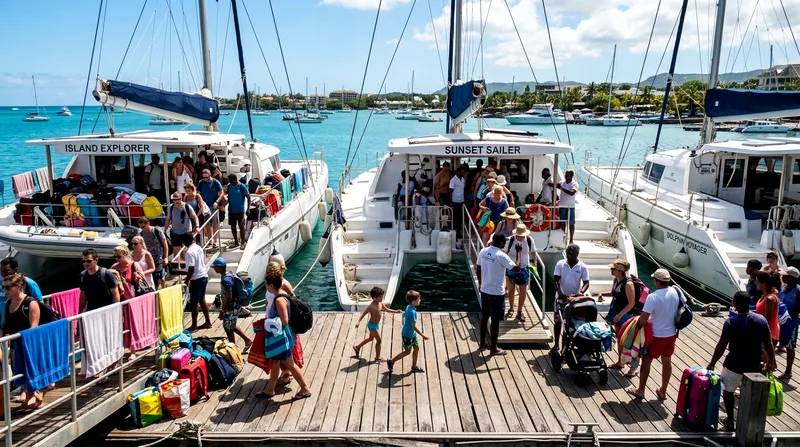
Mauritius boat tours November to April overlap with two distinct crowd surges, and treating them as one season is a mistake. December holidays bring French and Réunion Island families en masse — Réunion is a short one-hour flight away, and its school holidays align closely with the European Christmas break, doubling the usual visitor load on west coast marinas like Grand Baie and Black River.
November and late March offer the best balance of warm water and manageable crowds, while mid-December to January brings peak demand and the highest cyclone watch frequency.
Mauritius boat tours summer months compared: weather, crowds, and water conditions
| Month | Sea Temp (°C) | Crowd Level | Cyclone Risk | Booking Lead Time |
|---|---|---|---|---|
| November | 26-27 | Moderate | Low-Moderate | 2-3 weeks |
| December | 27-28 | Very High (holidays) | Moderate | 2-3 months |
| January | 28-29 | High | High | 1-2 months |
| February | 28-29 | Moderate-High | High | 3-4 weeks |
| March | 27-28 | Moderate | Moderate-High | 3-4 weeks |
| April | 26-27 | Low-Moderate | Low-Moderate | 2-3 weeks |
Typical seasonal patterns; exact temperatures, crowd levels, and cyclone activity vary by year, so check current forecasts and operator policies before booking.
Holiday periods and tourist influx
Mid-December through early January is the single busiest stretch of the entire Mauritian calendar — busier, in relative terms, than Phuket's or Bali's December peaks, because Mauritius has far fewer beds and boats to absorb the demand. January itself remains a strong peak season even after the holiday crowd thins, driven by Southern Hemisphere summer holidaymakers from South Africa. If you want a quieter version of the same warm water, target early November or late February into March — water temperature is nearly identical, but marinas are noticeably calmer and skippers have more flexibility on timing and group size.
Advance booking recommendations
For December 20 to January 5 departures, book 2-3 months ahead if you want a specific morning slot or a smaller boat rather than a large catamaran group tour. For the rest of summer, three to four weeks is usually enough, though sunset cruises and dolphin-watching trips near Tamarin — popular roughly July through March, with sightings most reliable in the cooler months bleeding into early summer — fill their best slots faster than standard snorkeling catamarans. Whatever you book, compare current boat tours and prices before you commit, since availability shifts week to week during peak stretches.
Water Temperature and Marine Life
Warm water is the single biggest functional difference between a summer and winter Mauritius boat tour, and it shapes everything from what you wear to what you'll actually see underwater.
Warm water benefits for swimming
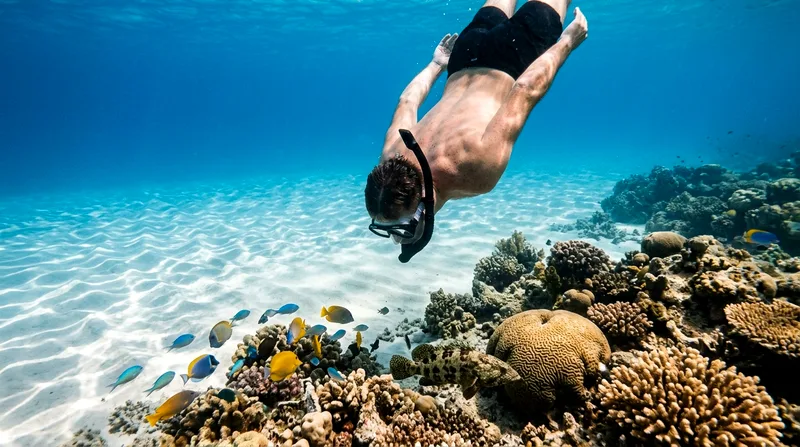
At 26-29°C, most people snorkel comfortably for an hour or more without a wetsuit — a real advantage over Réunion Island, where cooler currents and rougher coastlines make casual swimming less inviting even in summer. It's also warmer than the Whitsundays in the Australian winter months, though stinger considerations there are a different issue entirely. The trade-off: warm, still lagoon water in peak summer heat means jellyfish and occasionally stinging plankton blooms are slightly more common from January to March, so ask your skipper before jumping in blind.
Seasonal marine activity and visibility
Coral reefs around Blue Bay Marine Park and Île aux Benitiers show their best color and fish activity in calm summer conditions, with parrotfish, surgeonfish, and reef sharks commonly spotted on half-day snorkel stops. Visibility is genuinely weather-dependent, though — a week of heavy summer rain can cloud lagoon water with runoff for several days afterward, which rarely happens in the dry winter months. Compared to the Maldives' outer atolls, Mauritius's lagoon snorkeling is shallower and calmer but offers less large pelagic action; if you're specifically chasing manta rays or big open-water life, Mauritius summer boat tours aren't the strongest match on the comparison list.
Best Deals and Seasonal Pricing
Pricing on Mauritius boat tours follows demand closely, and summer is not a cheap season overall — but it isn't uniformly expensive either, and knowing the internal pattern saves real money.
Early and late summer discounts
November and March-April sit at the edges of summer and typically carry lower rates than the December-January core, often 15-25% less for comparable half-day catamaran or speedboat trips, based on the general seasonal pricing pattern operators publish. These shoulder weeks also mean smaller groups, which matters a lot on a shared snorkeling boat — fewer people in the water means more time for the skipper to point out reef features instead of just headcounts. Always check current prices when booking, since rates shift with fuel costs and demand week to week; treat any published figure as a starting reference, not a guarantee.
Package deals during peak months
During mid-December to mid-January, standalone tours rarely discount, but bundled packages — a snorkeling stop plus a BBQ lunch on an islet like Île aux Cerfs, for instance — can offer better value per hour on the water than booking transport and lunch separately. Full-day catamaran trips combining two or three stops tend to hold their value better in peak season than short one-hour jet-ski or glass-bottom boat add-ons, which get marked up heavily when demand peaks. If budget matters more than timing, Zanzibar and parts of Phuket run noticeably cheaper boat excursions than Mauritius even in equivalent peak months — Mauritius trades a higher price point for calmer lagoons and better-regulated marine parks.
Frequently asked questions
Is it safe to take boat tours during cyclone season?
Most days during cyclone season are completely normal and safe for boat tours — the season spans six months, but direct cyclone impacts are usually limited to a handful of days per year. Operators legally suspend trips under Class III or IV warnings, so the real risk is disruption to your schedule, not danger on the water. Build a flexible day or two into any December-to-March itinerary and choose operators offering free weather rescheduling.
What is the water temperature for summer boat tours?
Expect 26-29°C from November through April, peaking around January-February. That's warm enough to snorkel for an hour or more without a wetsuit, noticeably warmer than the 22-24°C typical of the June-to-September winter months.
When should I book a summer boat tour in Mauritius?
For mid-December through early January departures, book two to three months ahead to secure morning slots and smaller boats. For the rest of the summer window — November, February, March — three to four weeks' notice is generally enough, though sunset and dolphin-watching trips near Tamarin sell out faster.
Are summer boat tours more expensive than other seasons?
Generally yes, particularly from mid-December to end of January, when demand peaks alongside European and Réunion Island holidaymakers. Shoulder weeks in early November or late March-April often run 15-25% cheaper for comparable trips, with smaller groups as a bonus. Always compare current prices when booking, since rates fluctuate weekly in peak season.
What marine life can I see on summer boat tours?
Parrotfish, surgeonfish, and reef sharks are common sightings on lagoon snorkeling stops around Blue Bay Marine Park and Île aux Benitiers. Dolphin-watching trips near Tamarin run strong into early summer, and warm, calm conditions generally mean better underwater visibility than winter — except after heavy rain, which can cloud lagoon water for a few days.