Mauritius catamaran vs glass bottom boat: compare comfort, marine life viewing, cost, and suitability for non-swimmers before you book.
Quick Comparison: Catamaran vs Glass-Bottom Boat
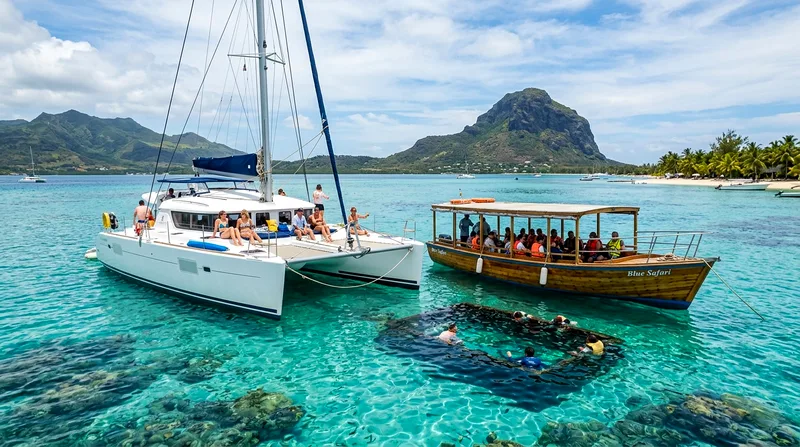
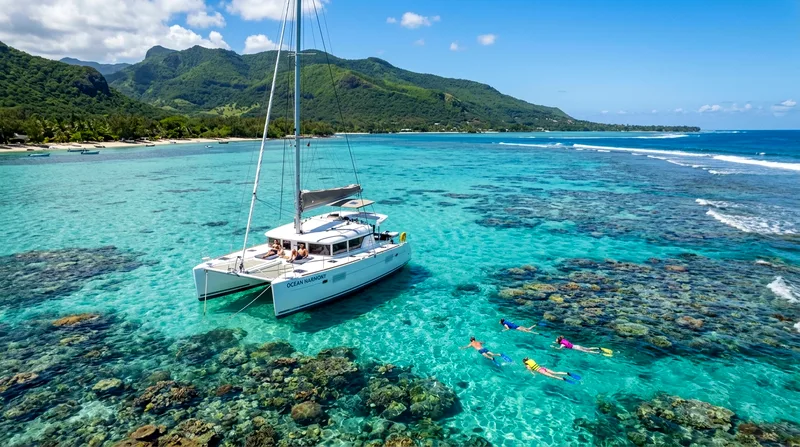
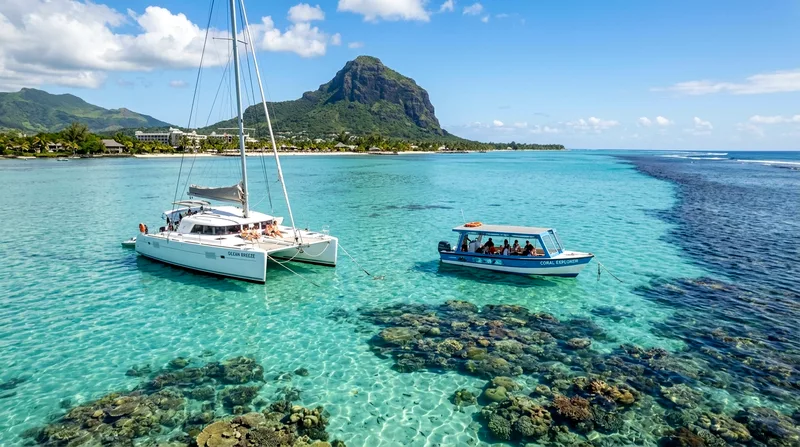
The Mauritius catamaran vs glass bottom boat decision comes down to what you actually want from a few hours on the water. Catamarans are built for cruising — sails or motors, open decks, usually a stop for swimming and snorkeling at a sandbank or reef. Glass-bottom boats are smaller, slower, and built around one function: letting you see the reef and fish without getting wet, through a clear panel set into the hull.
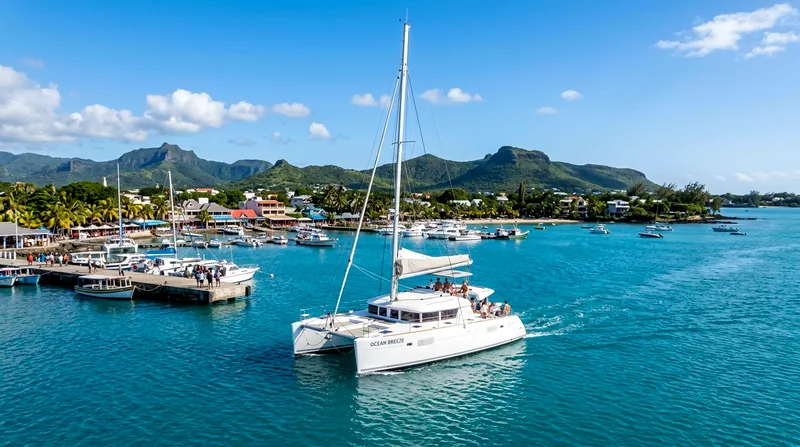
Both operate in the same lagoons, often around the same reef systems off the west and north coasts — think Flic en Flac, Grand Baie, or the waters near Île aux Cerfs. But they solve different problems. A catamaran trip is really a day out: music, rum tasting on some routes, a buffet lunch, a few swim stops. A glass-bottom boat trip is shorter and more focused, typically 45 minutes to an hour, aimed squarely at viewing coral and fish without needing a mask or any swimming ability at all.
Catamarans win on comfort and range, glass-bottom boats win on easy, dry marine-life viewing and lower cost.
Mauritius catamaran vs glass bottom boat: comfort, viewing, and cost compared
| Boat Type | Typical Duration | Comfort Level | Marine Life Viewing | Swimming Required | Typical Cost (per adult) |
|---|---|---|---|---|---|
| Catamaran cruise | 3-6 hours | High (shaded deck, seating) | Good, via snorkel stops | Optional but expected | Approx. $45-$90 |
| Glass-bottom boat | 45-60 minutes | Moderate (small, open seating) | Excellent, no mask needed | Not required | Approx. $15-$30 |
| Combined tour (some operators) | 2-3 hours | Moderate to high | Good, mixed viewing | Optional | Approx. $35-$60 |
Figures are typical ranges based on common Mauritius tour patterns; always check current prices when booking, as routes and inclusions vary by operator.
What each boat type offers
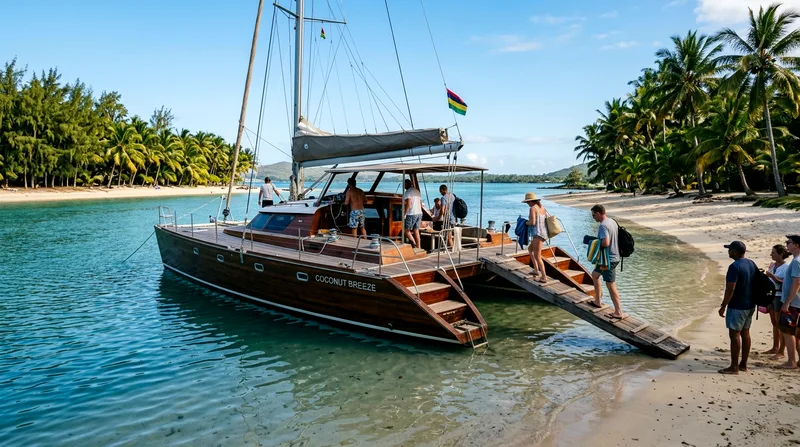
A catamaran gives you space — sun decks, shaded lounge areas, sometimes a trampoline net strung between the hulls where kids and adults alike tend to end up lying down mid-trip. Most catamaran tours in Mauritius run three to six hours and combine several stops: a sandbank for swimming, a reef for snorkeling, sometimes a waterfall or islet visit tacked on. A glass-bottom boat, on the other hand, offers none of that range. It's a single-purpose vessel, usually seating 10 to 20 people, with a viewing well cut into the floor. You stay dry, you stay seated, and the entire experience is the reef passing beneath you.
Key differences at a glance
Duration is the first obvious split — catamarans run long, glass-bottom boats run short. Physical demand is the second: catamarans expect you to climb in and out of water, glass-bottom boats expect you to sit still. Group size differs too; catamarans often carry larger groups, sometimes 20 to 40 passengers on the bigger party-style cruises, while glass-bottom boats stay small by design since the viewing well only fits so many people around it comfortably. None of this makes one objectively better — it just means they're not really substitutes for each other, even though brochures sometimes present them as interchangeable "lagoon tour" options.
Comfort and Stability on the Water
If motion sickness worries you, this is the section to read twice. Catamarans sit on two hulls, which gives them a wider, more stable platform than almost any other small tour boat — far steadier than the single-hull speedboats and glass-bottom boats you'll find on the same lagoons. That stability matters more than people expect, especially on windier days around Grand Baie or the east coast near Trou d'Eau Douce.
Catamaran advantages
The twin-hull design resists rolling in a way single-hull boats can't match, which is why catamarans are the standard choice for longer Indian Ocean crossings, not just short lagoon hops. You get open deck space to move around, shade options, and usually enough room to spread out rather than sit shoulder to shoulder. The trade-off is exposure — more time on open water means more sun, more wind, and on a rough day, more swell once you're past the reef break. I wouldn't recommend an all-day catamaran trip for someone with a bad back and no tolerance for sitting on deck cushions for hours; the novelty wears off faster than the brochure suggests.
Glass-bottom boat experience
Glass-bottom boats are smaller and sit lower in the water, which actually helps stability in calm lagoon conditions but makes them more sensitive to chop once wind picks up. Because trips are short — usually under an hour — even passengers prone to seasickness generally cope fine, as long as the lagoon is calm, which it usually is behind the reef. Seating is typically benches around the viewing well, which is fine for a short trip but not somewhere you'd want to spend three hours. Legroom is tight on the smaller boats, something families with older kids notice fast.
Marine Life Viewing Experience
This is where the two diverge most sharply, and it's the real deciding factor for anyone booking primarily for the reef rather than the boat ride itself.
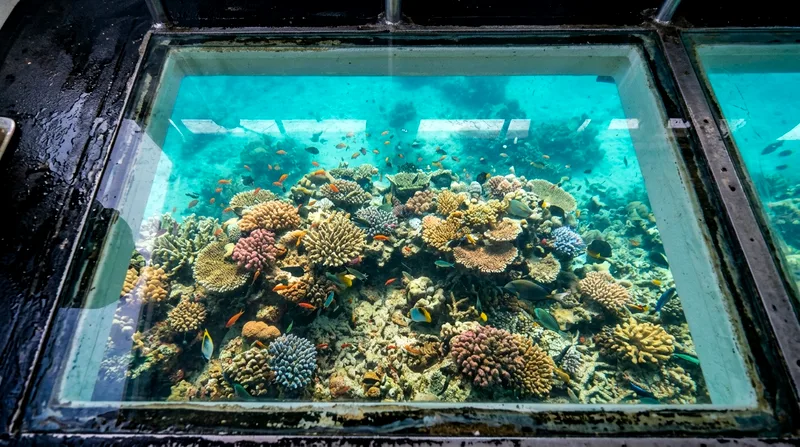
Underwater visibility and access
A glass-bottom boat puts you directly over the coral with zero effort — no mask, no fins, no getting wet. Visibility depends entirely on water clarity that day, and Mauritius lagoons are generally clear, but a glass panel viewed from above water always loses some sharpness compared to being in the water yourself. A catamaran doesn't have built-in underwater viewing at all; it gets you to snorkel spots, then it's up to you to get in. For actual proximity to coral and fish, swimming beats glass every time — but glass beats staying dry on a deck chair watching other people snorkel.
Snorkeling opportunities
Catamaran tours almost always include snorkel stops, often at well-known spots near Île aux Cerfs, Blue Bay, or the reef edges off Flic en Flac, with masks and fins typically provided. This is genuinely better for anyone comfortable in water — closer fish encounters, sometimes turtles, far more immersive than looking through a floor panel. Glass-bottom boats sometimes pause for optional snorkeling, but it's not the core product, and the stop is usually brief. If snorkeling is your main goal, a catamaran or a dedicated snorkeling boat tour is the better call, full stop.
Cost and Value for Money
Price is the practical tiebreaker for a lot of travelers, and it's not close. Glass-bottom boats are the budget option almost everywhere in Mauritius, while catamarans charge more because they're selling a longer day, not just a viewing window.
Typical price ranges
A glass-bottom boat trip typically runs in the $15 to $30 per adult range for a short outing, sometimes bundled with a nearby speedboat or snorkeling add-on. Catamaran day cruises generally run $45 to $90 per adult depending on length, inclusions, and whether lunch and drinks are part of the package. Sunset catamaran cruises, shorter and without lunch, often sit at the lower end of that range. Always check current prices when booking — rates shift with season, fuel costs, and which stops are included, and the gap between a "basic" and "premium" catamaran tour can be $30 or more for essentially the same route.
What's included in each tour
Catamaran tours usually bundle snorkel gear, a buffet or barbecue lunch, soft drinks, and sometimes rum tasting — which is why the price sits higher. Glass-bottom boat tours are leaner: a guide, the boat, maybe bottled water, and that's often it. If you're comparing on pure cost per hour, glass-bottom boats are cheaper outright but also deliver less; catamarans cost more but you're paying for food, gear, and several hours of activity rather than one short viewing session. For a family of four, that difference can mean $100 or more across a day, which matters if you're also budgeting for other Mauritius boat tours during the trip.
Best Choice for Non-Swimmers
Non-swimmers are often steered toward catamarans by default because that's what gets marketed hardest, but a glass-bottom boat is frequently the smarter, less stressful choice.
Safety and accessibility factors
On a catamaran, non-swimmers can stay aboard the whole time, but there's social pressure once everyone else jumps in at a sandbank or reef stop — and life jackets, while usually available, aren't always offered proactively unless you ask. Glass-bottom boats remove that pressure entirely because nobody on board is expected to enter the water. For elderly travelers or anyone with mobility limitations, glass-bottom boats also tend to have simpler boarding — often a short step from a jetty or beach — versus climbing onto a catamaran hull or trampoline net, which isn't always graceful in practice.
Viewing without entering water
This is the glass-bottom boat's entire reason to exist, and it does the job well. You see coral formations, parrotfish, sometimes rays, without any swimming skill required. Compare that to the Maldives or Zanzibar, where house-reef snorkeling is often the main draw and non-swimmers get left on the boat with little to do — Mauritius's glass-bottom option fills that gap neatly. It's a genuinely good fit for grandparents traveling with grandchildren, or anyone recovering from an injury who still wants to see the reef up close.
Which Tour Should You Choose?
Choose a catamaran if you want a full day out, comfortable seating, food included, and you're happy to swim or snorkel at the stops — it's the better match for couples, groups of friends, and confident swimmers who want the social, cruise-style experience. Choose a glass-bottom boat if your priority is seeing the reef quickly, affordably, and without entering the water — ideal for non-swimmers, grandparents, young children, or anyone short on time who still wants a proper look at Mauritius's coral.
Compared with a Seychelles outer-island boat trip, which often involves longer open-water crossings, Mauritius's lagoon-based options are calmer and better suited to nervous travelers. Compared with Zanzibar's spice-island dhow cruises, which lean heavily on scenery over marine viewing, Mauritius's glass-bottom boats are more purpose-built for seeing fish and coral specifically. And next to Réunion Island, where volcanic coastlines limit lagoon-style calm water, Mauritius's flat, reef-protected lagoons make both boat types genuinely accessible rather than weather-dependent gambles.
If you're torn, book the shorter, cheaper glass-bottom trip first thing in your stay, then decide if a full catamaran day is worth it once you've seen how you handle the water and the sun. Compare current boat tours and prices before you book, since availability and included stops shift by season and operator.
Frequently asked questions
Is a catamaran or glass-bottom boat better for non-swimmers?
Glass-bottom boats are generally better for non-swimmers because the entire trip is designed around staying dry and seated while viewing the reef through the hull. Catamarans work too, but non-swimmers often end up waiting on deck during snorkel stops while others swim, which some find less satisfying.
Which boat type offers better views of marine life?
For proximity and detail, snorkeling from a catamaran beats glass-bottom viewing because you're in the water with the fish and coral. For convenience and guaranteed viewing without any swimming skill, glass-bottom boats offer a clearer, more reliable look at the reef from above.
Are catamarans more comfortable than glass-bottom boats?
Yes, generally. Catamarans have wider, more stable twin-hull platforms, open deck space, and shade — better suited to multi-hour trips. Glass-bottom boats are smaller and fine for short outings but cramped for anything beyond an hour.
What's the typical cost difference between the two?
Glass-bottom boat tours typically cost around $15 to $30 per adult for a short trip, while catamaran day cruises usually run $45 to $90 per adult including lunch and gear. Always check current prices when booking, since inclusions vary widely between operators.
Which tour is best for families with young children?
It depends on the children's ages. Toddlers and non-swimming kids tend to do better on short, calm glass-bottom boat trips, while older kids who can swim usually enjoy the longer catamaran day with snorkeling stops and more room to move around.