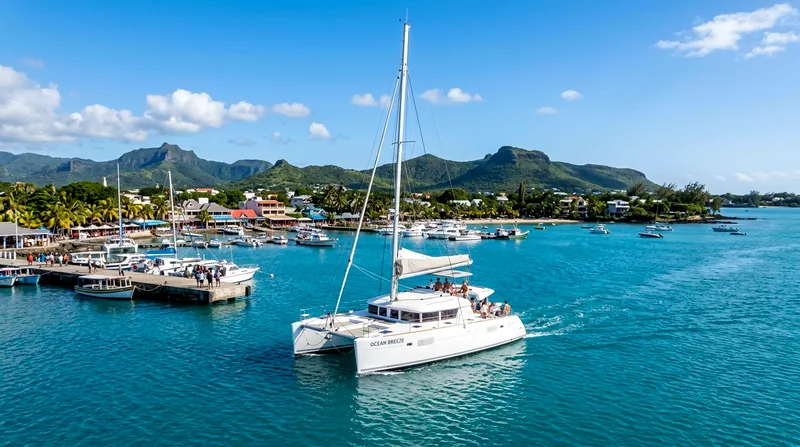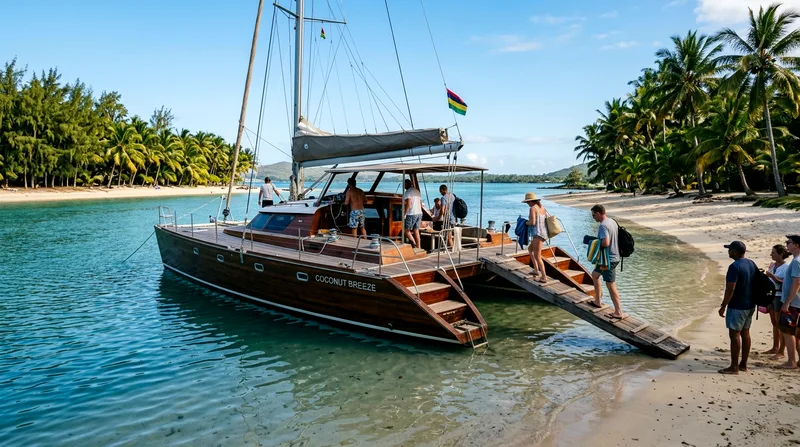
Compare Mauritius catamaran cruise snorkelling routes, reef stops, gear and group sizes. Practical booking tips before you choose your trip.
Who Should Book a Catamaran Snorkelling Cruise
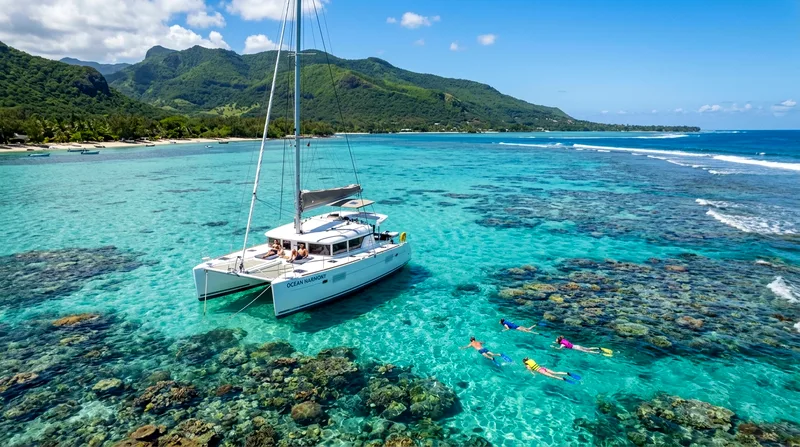
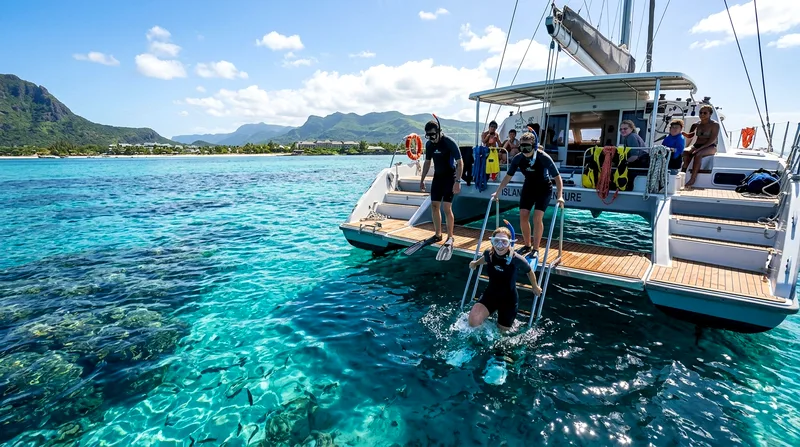
A Mauritius catamaran cruise snorkelling trip works because it solves the two biggest problems with reef access on this island: getting past the shallow lagoon to where coral actually survives, and doing it without needing a dive certification. Most lagoon water close to the main beaches at Grand Baie, Flic en Flac or Trou aux Biches is sandy, warm, and mostly empty of coral — the interesting reef sits further out, beyond the fringing reef break, and a catamaran gets you there in 20 to 40 minutes rather than a long swim.
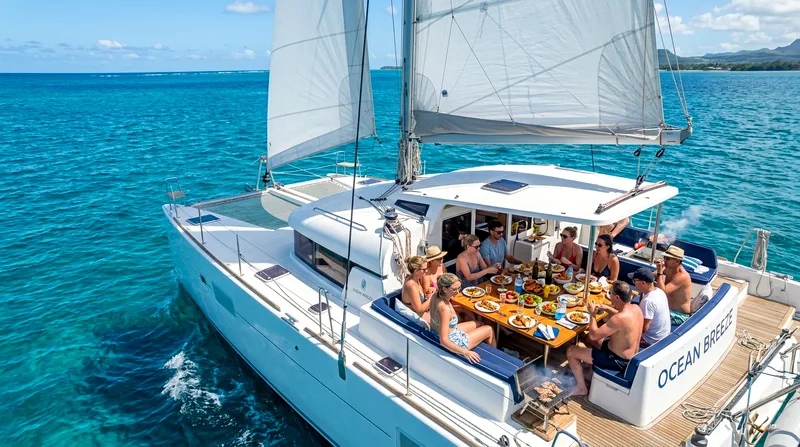
This format suits travellers who want structure. You're told when to get in the water, given a life jacket if you want one, fed lunch (often grilled fish or barbecue chicken with rum punch on the way back), and brought home by late afternoon. Compare that to Zanzibar's spice-island day trips, which tend to be looser and less safety-briefed, or the Maldives, where reef access is usually tied to a specific resort's house reef and costs considerably more per day. Mauritius sits in between — more organised than Zanzibar, cheaper and more accessible than Maldivian resort snorkelling.
I wouldn't recommend this for anyone chasing drop-offs, walls, or big pelagic life — for that you want a dive boat, not a catamaran. And if you get seasick on anything other than dead-calm water, ask about the route before booking; some itineraries cross open channel water between islets where the swell picks up.
Ideal for Mixed-Ability Groups
Families with a non-swimmer and a confident snorkeller in the same group benefit most from the catamaran format, because the boat itself becomes a rest point. Weaker swimmers can stay near the ladder or wear a life vest and noodle, while stronger swimmers range further toward the reef edge, and crew usually keep a swimmer or two in the water watching both groups. Senior travellers who want to see the reef but not tread water for an hour also do well here — many boats let you stay aboard for part of a stop and just view through a glass-bottom section or simply enjoy the deck. The trade-off is pacing: a mixed-ability group moves slower getting in and out of the water, so you get fewer total snorkelling stops per day than a trip booked by a tight-knit group of strong swimmers.
Perfect for Reef Photography Enthusiasts
If you're bringing a GoPro or waterproof compact, ask specifically about the second or third reef stop rather than the first — operators often start at an easy, shallow, crowded spot close to the lagoon mouth, then move to clearer, less-trafficked coral further out once everyone's comfortable in the water. Morning departures (typically 9am–10am) give you better light penetration for photos than afternoon trips, since the sun is higher and water tends to be calmer before the afternoon trade winds build. Visibility on a good day runs 10-15 metres: solid, but not Maldives-level clarity, so manage your expectations if you're comparing shot quality to photos from Maldivian atolls.
Top Catamaran Routes and Reef Stops
Mauritius doesn't have one single best snorkelling catamaran route — it has a north circuit and a south/southeast circuit, and they're different enough that your choice should depend on what you actually want to see, not just which coast your hotel sits on.
Northern routes are shorter and calmer, while southern routes generally offer better-protected coral and more marine life diversity.
Mauritius catamaran cruise snorkelling routes compared by region and reef type
| Route | Typical Duration | Reef Condition | Best For | Water Conditions |
|---|---|---|---|---|
| North (Grand Baie / Trou aux Biches) | Half-day, approx. 4-6 hrs | Patchy, recovering coral, reliable fish | Families, first-timers, short transfers | Generally calm |
| South (Blue Bay / Mahébourg) | Half-day to full-day, approx. 5-7 hrs | Better-preserved, protected marine park | Turtle sightings, reef structure fans | Can be choppier June-Sept |
| East (Île aux Cerfs area) | Half-day, approx. 4-5 hrs | Mixed, sandy patches and coral heads | Combined beach + snorkel day | Moderate, sheltered lagoon |
Durations and conditions are typical ranges; always confirm the specific route and sea state when booking.
Northern Reef Systems and Coral Health
The north, departing from Grand Baie or Trou aux Biches, typically runs catamarans out toward the islets — Gabriel Island, Flat Island (Île Plate), Gunner's Quoin (Coin de Mire) — with snorkelling stops in the channels between them. Coral here took real damage from bleaching events and cyclone activity over the past couple of decades, so don't expect pristine reef walls; what you get instead is a mix of patchy hard coral, sea fans, and a reliable population of reef fish — parrotfish, damselfish, the occasional moray in the rock crevices. The appeal of the north is logistics: short transfer times, calmer water most of the year, and the option to combine snorkelling with a beach stop on an uninhabited islet, which works well for families who want a lunch break on sand rather than just on deck.
Southern Routes and Marine Life Diversity
South and southeast routes, out of Blue Bay, Mahébourg or near Île aux Cerfs, tend to have better-preserved coral because much of the Blue Bay Marine Park area is a protected conservation zone with restrictions on anchoring and fishing. Expect more structured coral formations, better fish diversity, and occasional sightings of turtles feeding on seagrass beds. The trade-off is a longer transfer — sometimes 45 minutes to an hour each way — and rougher water if the southeast trade winds are up, which is common between June and September. If turtles and reef structure matter more to you than convenience, the south wins; if you want the shortest boat ride with the least chance of seasickness, stick north.
Snorkelling Gear and What's Included
Most Mauritius catamaran cruise snorkelling packages include mask, snorkel, and fins as standard, plus life jackets for anyone who wants one — these are usually optional for confident swimmers but compulsory for children on many boats. Lunch (grilled fish, chicken, salads, local specialties like rougaille) and soft drinks are typically included; alcohol, especially the rum-punch stop on the way back, is often included too but worth confirming, since some cheaper trips charge extra for it.
Provided Equipment Quality and Fit
Equipment quality varies more than operators admit. Masks on budget trips are often older, scratched, and prone to fogging or leaking around the seal — a real problem if you've got a narrower or wider face shape than average. If you snorkel more than once or twice a year, it's worth packing your own mask; it folds flat in a daypack and guarantees a fit you trust. Fins are usually generic open-heel styles that work fine over bare feet but can rub if you've got sensitive skin — bring reef socks if you're prone to blisters. Don't expect prescription masks or full wetsuits; a rash guard or light wetsuit top is sometimes available for rent but rarely included free.
Tips for Maximizing Underwater Time
Total time actually in the water on a half-day trip is often only 60-90 minutes split across two or three stops, once you subtract transfer time, briefings, and lunch. To get the most out of it: get in the water within the first five minutes at each stop rather than lingering on deck, since crew often give the longest window at the first anchor point. Ask the crew directly which stop has the best coral — they know, and they don't always volunteer it unless asked. If you're a strong swimmer, request to swim slightly further from the group toward the reef edge; most crews allow this as long as you stay within sight and follow the marked boundary of any marine protected area.
Booking Essentials: Group Size and Cancellation
Shared catamaran trips in Mauritius commonly carry anywhere from 15 to 40 passengers depending on the boat, and that number has a direct effect on your snorkelling experience — a crowded reef stop with 35 people in the water means you're mostly looking at fins and bubbles, not fish. If reef quality matters more to you than price, ask the booking platform or operator how many passengers the specific boat holds before you commit, not just its length or amenities.
Private versus Shared Catamaran Options
Private charters cost considerably more — often several times the per-person rate of a shared trip — but you control the route, the stops, and the timing, which matters if you want to linger at one reef rather than follow a fixed schedule. For a family of four or a couple celebrating something, a private half-day charter can work out reasonably comparable to four shared tickets at a nicer boat, so it's worth pricing both before assuming shared is always cheaper. For solo travellers or couples on a tighter budget, shared trips are the obvious choice and the social atmosphere — mixed nationalities, shared rum punch — is part of the appeal for many.
Cancellation Policies and Weather Clauses
Weather cancellations are common enough in Mauritius, particularly during cyclone season (roughly November to April) and the windier southeast trade wind months (June to September), that you should read the cancellation clause before paying anything. Reputable operators typically offer a full refund or free date change if they cancel for weather — but if you cancel due to rough seas that the operator still considers safe to sail, you may lose some or all of your payment depending on notice given. Avoid any booking that doesn't clearly state its weather policy in writing; that ambiguity is where disputes happen. Travel insurance that covers activity cancellation is a reasonable backstop if you're booking during shoulder season.
Best Time to Book Your Cruise
The best sea conditions for snorkelling boat tour Mauritius trips generally run from October to December and again in April to May — the lagoon is calmer, visibility improves, and cyclone risk is lower than peak summer months. July through September brings stronger southeast trade winds, which make the southern and east coast routes choppier, though northern routes around Grand Baie stay relatively sheltered and keep running.
Compare this to Bali, where reef trips around Nusa Penida get cancelled often during the dry season swell, or Phuket, where monsoon months (roughly May to October) shut down many boat trips entirely on the Andaman side. Mauritius's split coastline means there's almost always a shelter route running somewhere on the island, which is a genuine advantage over single-coast destinations.
Book shoulder season trips a few days ahead rather than same-day — availability tightens around European school holidays (especially French winter break in February, since Mauritius draws heavily from Réunion Island and France). Peak midsummer (December–January) sees the highest prices and busiest boats; if crowding bothers you, avoid that window even though the weather is reliable. Always compare current boat tours and prices before you book, since rates shift with season and fuel costs more than most listings update in real time.
Frequently asked questions
What marine life will I see on a catamaran snorkelling cruise?
Expect reef fish like parrotfish, damselfish, butterflyfish, and occasional moray eels in rocky crevices. Turtles turn up fairly reliably on southern routes near Blue Bay, less so in the north. Reef sharks and larger pelagic species are rare on standard snorkelling stops — for that you'd need a dedicated dive trip further offshore.
Do I need snorkelling experience to join a cruise?
No. Most trips are designed for beginners, with crew offering a basic briefing and life jackets or flotation noodles for anyone unsteady in the water. If you've genuinely never snorkeled before, pick a trip with a shallower first stop and ask the crew to keep an eye on you for the first few minutes until you're comfortable breathing through the tube.
What should I bring and wear for snorkelling?
Wear swimwear under light clothing, bring reef-safe sunscreen (standard sunscreen can damage coral and is banned in some marine parks), a hat, a towel, and a dry bag for your phone. Reef socks help if you're prone to fin blisters. If you snorkel often, bring your own mask for a guaranteed fit rather than relying on rental gear.
How long do catamaran snorkelling tours typically last?
Half-day trips run roughly 4 to 6 hours including transfers, lunch, and two to three snorkelling stops; actual time in the water is usually 60-90 minutes total. Full-day trips, more common on longer southern routes, run 6 to 8 hours and may add a third or fourth stop plus more time on an islet beach.
What happens if weather cancels my booked cruise?
Most operators offer a full refund or a free reschedule if they cancel the trip due to weather — this is standard practice, but confirm it's stated clearly before paying. If you cancel yourself because you're nervous about conditions the operator still considers safe, you may not get a refund, so check the specific cancellation window (often 24-48 hours' notice) in the booking terms.