How to hire a private boat with skipper in Mauritius without overpaying — licence checks, fuel surcharges, insurance and negotiation tips that work.
Where Your Money Goes on a Skippered Charter
When you hire a private boat with skipper in Mauritius, you're paying for three separate things bundled into one quote: the boat itself, the skipper's time and expertise, and the fuel burned getting you from Port Louis, Black River or Trou d'Eau Douce out to wherever you want to go — often Île aux Cerfs, the Black River Gorges coastline, or further afield toward Rodrigues on multi-day trips. Understanding the split matters because it tells you where there's room to negotiate and where there isn't.
A half-day charter for a small group on a 25-35ft motorboat typically runs somewhere in the range of 300-600 EUR depending on boat size, season and departure point, with full-day trips often 1.5 to 2 times that. That figure usually covers the skipper and base fuel allowance for a set itinerary. Anything beyond — extra hours, a longer run to a distant reef, extended idling while you fish — can trigger additional charges that aren't always spelled out upfront.
Full-day charters and multi-stop itineraries cost proportionally more mainly through added fuel and hours, not a higher base skipper fee.
Skippered boat charter costs in Mauritius compared by trip type
| Charter Type | Typical Duration | Price Range (EUR) | Fuel Included? | Best For |
|---|---|---|---|---|
| Half-day lagoon trip | 3-4 hours | 300-600 | Usually, for set route | Couples, small families |
| Full-day Île aux Cerfs | 6-8 hours | 500-1000 | Often capped allowance | Families, groups splitting cost |
| Fishing charter | 4-6 hours | 350-700 | Varies, check terms | Fishermen, small groups |
| Multi-day Rodrigues run | 2+ days | Quoted per itinerary | Rarely fully included | Experienced boaties, special occasions |
Figures are indicative ranges based on typical market patterns; always confirm current prices and fuel terms directly with the operator before booking.
Base Rental and Skipper Fees
The base rate covers the boat and a qualified skipper for an agreed window, usually 3-4 hours for a half-day or 6-8 hours for a full day. Skipper fees aren't always itemized separately — many operators fold them into the daily rate, which makes it harder to compare one quote against another. Ask for an itemized breakdown anyway. If an operator refuses to separate boat cost from skipper cost, that's a minor red flag worth noting, not a dealbreaker on its own. Larger catamarans with a crew of two (skipper plus a deckhand for snorkeling assistance or food service) cost more than a single-skipper runabout, and that's a legitimate price difference, not padding.
Fuel Surcharges and Operational Costs
Fuel is the line item that causes the most disputes after the trip is over. Mauritius imports nearly all its fuel, so prices fluctuate with global oil markets, and operators adjust surcharges accordingly — sometimes without updating a printed rate card. Ask explicitly whether the quoted price is "fuel inclusive" for a defined itinerary, or whether you'll be billed separately based on distance and engine hours. A boat running twin outboards to reach a distant spot like Rodrigues-adjacent waters burns noticeably more than a lagoon cruise to Île aux Cerfs, and a transparent operator will explain that difference before you sign anything, not after.
Legitimate Ways to Save on Boat Rental Costs
There's no code or voucher that makes a skippered charter cheap — the real savings come from timing, group size and knowing which pricing structure suits your trip. Compare that to Thailand, where Phuket's longtail boat market is so saturated that prices drop fast with light haggling; Mauritius operators are fewer, more professional, and less inclined to bargain on the spot. You save by planning ahead, not by negotiating dockside.
Book During Shoulder Season
Mauritius's cyclone season runs roughly November to April, with peak demand and peak pricing clustering around the dry, cooler months of May through November — especially July and August when European travelers arrive in volume. Shoulder months like May, June and late October often bring calmer demand and more flexible pricing from operators eager to fill calendars. Sea conditions in shoulder months are generally still good, though you should check short-range forecasts since afternoon wind picks up more unpredictably outside peak season. Avoid booking blind during cyclone-risk months (January-March) — even if the price looks appealing, cancellations and rough seas are common enough to erode the saving.
Negotiate Multi-Day and Group Discounts
If you're chartering more than once — say a Black River outing one day and an Île aux Cerfs run two days later — ask for a package rate rather than booking each day separately. Operators often have more flexibility bundling repeat business than discounting a single booking. Group size also matters: splitting an 8-person boat charter among four couples brings the per-person cost down close to what a shared snorkeling tour costs, while still giving you a private boat and a skipper who works your schedule, not a fixed tour timetable. This is where private charter genuinely competes with cheaper shared excursions you'd find in Zanzibar or Bali.
Compare All-Inclusive Versus À La Carte Pricing
Some operators quote an all-inclusive price covering fuel, snorkeling gear, soft drinks and a light lunch; others quote a bare boat-and-skipper rate and charge separately for everything else. The all-inclusive figure looks higher on paper but is often cheaper once you add up what à la carte extras would cost — particularly gear rental and food for a family of four. Do the maths on total cost, not headline price. Watch out for operators who quote a tempting bare rate specifically because they know most groups will spend more once on board.
What You Should Never Skimp On
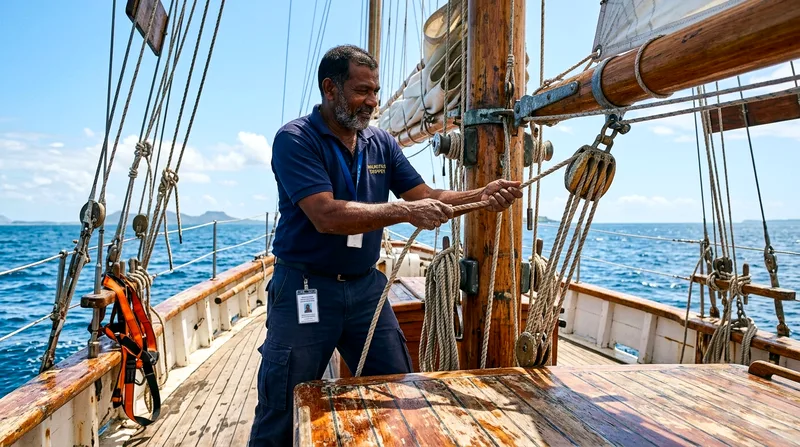
Cutting cost on the wrong line item turns a pleasant day on the Indian Ocean into a genuine safety risk. There are exactly two things I'd never shop down on price: who's driving the boat, and what happens if something goes wrong.
Skipper Experience and Safety Certifications
A cheaper quote with an unlicensed or inexperienced skipper isn't a deal — it's a gamble with your family or group's safety on open water. Mauritius requires commercial skippers to hold recognized competency certification and register with the relevant maritime authority; ask directly whether the skipper operating your boat holds this and is listed on the vessel's operating permit, not just "someone the company knows." Local knowledge matters too — reef passages near Black River and the channel out to Île aux Cerfs have currents and coral heads that an inexperienced driver can misjudge, especially at low tide. If an operator is cagey about naming the actual skipper before the day of travel, that's worth pressing on.
Thorough Insurance Coverage
Ask for proof of current third-party liability insurance and passenger cover before transferring any deposit — a legitimate operator will produce this without hesitation. This matters more in Mauritius than in heavily regulated markets like the Whitsundays in Australia, where charter insurance requirements are stringent and routinely audited; enforcement here can be less consistent, so the burden falls on you to check. Confirm whether coverage extends to activities you plan to do from the boat — towed water sports, diving, or fishing with gear overboard — since base liability policies don't always include these.
Booking Checklist Before You Hire
Before you commit to a skippered boat rental with captain in Mauritius, run through a short checklist rather than relying on a friendly phone call or a glossy brochure. This is the stage where most disputes get prevented, not resolved.
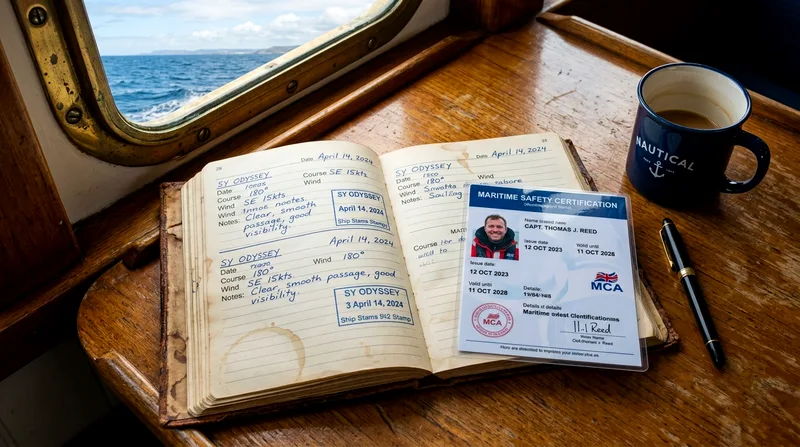
Verify Skipper Credentials and Boat Maintenance Records
Ask to see the skipper's certification and the boat's most recent safety inspection or maintenance log. A well-run operation won't flinch at this request — they'll have it ready because surveyors and insurers ask the same questions. If a company can't produce basic maintenance records or gets defensive when asked, move on. This single check filters out a meaningful share of problem operators before you've paid anything.
Confirm Fuel Policy and Hidden Fees in Writing
Get the fuel policy, cancellation terms, and any surcharges (marine park fees, equipment rental, gratuity expectations) confirmed by email or written quote — not just discussed verbally. Verbal promises about "no extra charges" mean nothing if the invoice says otherwise. Red flags in a contract include vague language like "subject to conditions" without defining what those conditions are, or a refund policy that's one-sided in the operator's favor. Compare current prices and terms across two or three operators before you lock in a date — rates and availability shift with season, so check current prices when booking rather than relying on a quote from months earlier.
Licence, Insurance and Legal Requirements
Mauritius regulates commercial boat charters through its maritime authority framework, and understanding the basics protects you as the paying customer, not just the operator.
Skipper Licensing and Maritime Authority Compliance
Commercial skippers operating paid charters in Mauritian waters are expected to hold valid competency certification registered with the Maritime Authority of Mauritius, and vessels used commercially need a current operating permit. As a renter, you're not required to hold any licence yourself when hiring with a skipper included — that's the whole point of paying for one — but you should confirm the vessel is registered for commercial passenger use rather than operating as an informal, uninsured arrangement. This distinction matters more than price when something goes wrong offshore.
Third-Party Liability and Passenger Insurance
Two insurance types matter here: third-party liability (covering damage or injury to others, including other vessels) and passenger cover (covering you and your group). Ask specifically which type is active and request the policy number or a copy of the certificate — a legitimate business keeps this on file and shares it on request. If you're booking through a resort or hotel concierge rather than directly, confirm whether the resort's insurance covers the water activity or if it's entirely on the charter operator; this gap catches people more often than you'd expect, particularly around Black River where independent operators mix with resort-affiliated fleets.
Frequently asked questions
What qualifications must a skipper have in Mauritius?
A commercial skipper should hold recognized competency certification registered with the Maritime Authority of Mauritius, and the vessel itself needs a valid commercial operating permit. Ask to see both before paying a deposit — a legitimate operator produces this without pushback, and reluctance to show it is a clear warning sign.
Are fuel surcharges negotiable on skippered charters?
Not usually, since fuel reflects real cost and fluctuates with import prices, but transparency is negotiable. Push for a written fuel policy stating whether your quoted itinerary is fully inclusive or billed by distance and engine hours, so you're not surprised by a final invoice.
What insurance do I need when hiring a private boat?
You should confirm the operator carries third-party liability insurance and passenger cover, and ask for proof — a policy number or certificate copy. If booking through a resort, check whether the resort's cover applies to the water activity or if liability sits entirely with the independent charter company.
Is it cheaper to book a skippered boat in low season?
Shoulder months like May, June and late October often bring more flexible pricing and availability than peak July-August. Avoid the cyclone-risk window of January-March purely for savings, though — rough seas and cancellation risk usually outweigh any price advantage.
What hidden costs should I ask about before booking?
Ask specifically about fuel surcharges beyond a base allowance, marine park or conservation fees, equipment rental (snorkel gear, fishing tackle), gratuity expectations and cancellation penalties. Get all of it in writing before transferring a deposit, since verbal assurances rarely hold up if a dispute arises afterward.