Compare deep-sea fishing boat charters in Mauritius — charter sizes, target species by season, tackle included, and catch-and-release rules for anglers.
Who Should Book a Fishing Charter
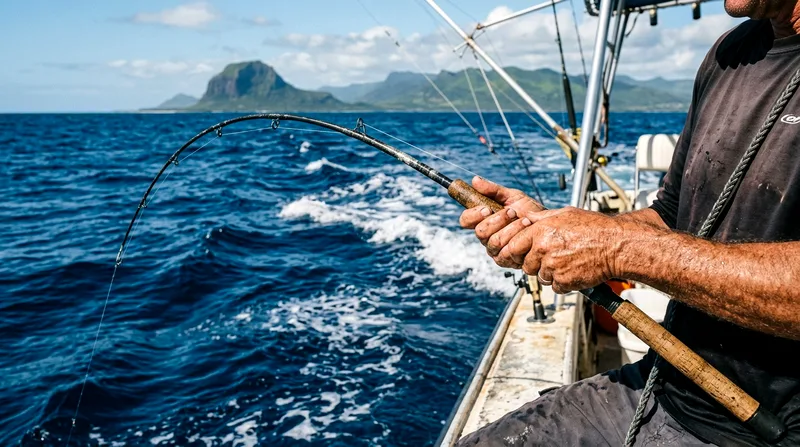
A Mauritius fishing boat charter isn't a lazy beach day with a rod attached — it's a committed outing, usually four to eight hours offshore, trolling lines in open Indian Ocean water where swells can run a meter or two even on a calm day. That suits anglers who want a real shot at black marlin, blue marlin or yellowfin tuna, and it suits families or couples who fancy one active day mixed into an otherwise relaxed beach holiday. It doesn't suit everyone, and I'd say that plainly: if you get seasick easily or dislike sitting in direct sun for hours with little shade, this is the wrong activity to book on a whim.
Compare it to Réunion Island, where charters target similar pelagic species but departures are more weather-dependent due to the island's exposed coastline. Mauritius has calmer lagoon access points and a wider spread of operators running from Black River (Rivière Noire), Grand Baie and Trou aux Biches, which gives you more flexibility if one day's forecast looks rough.
Experienced Anglers vs. Beginners
Experienced anglers should book a private charter and specify target species upfront — ask the operator directly whether they're rigging for marlin with heavy tackle (50-80lb class) or running lighter gear for wahoo and tuna. Beginners shouldn't be put off, though. Most charter crews in Mauritius are used to first-timers and will handle rigging, gaffing and fish-fighting instruction as part of the trip. The honest caveat: a beginner on a shared boat competing for rod time with three other anglers gets a thinner experience than someone who pays for a private half-day. If this is your one big fishing day of the trip, don't cheap out on the boat size.
Solo Travelers and Group Bookings
Solo travelers face a real trade-off here. Joining a shared charter is the only way to fish without paying for an entire boat, but availability for solo seats is inconsistent — some operators only run shared trips with a minimum of two or three anglers booked. Groups of four to six have it easier: that's typically the sweet spot capacity for a mid-sized sportfishing boat, and splitting the cost brings the per-person price down close to what a shared seat would cost anyway. If you're traveling solo and serious about fishing, call ahead rather than booking online blind — confirm the boat will actually depart with just you aboard.
Charter Sizes and Group Options
Boats used for Mauritius fishing charters generally run 28 to 45 feet, carrying anywhere from two to eight paying anglers depending on size and the operator's policy. Smaller center-console boats suit two to four people and feel more personal; larger sportfishers with a flybridge and proper fighting chair suit groups and serious marlin hunts. Neither is objectively better — it depends on what you're after. A smaller boat gets you closer to the captain and crew, useful if you want to actually learn technique rather than just hold a rod when something bites.
Full-day private charters reach marlin grounds that half-day shared trips simply can't get to in time.
Mauritius fishing boat charter types compared by duration, group fit and target species
| Charter Type | Typical Duration | Best Group Size | Typical Target Species | Best For |
|---|---|---|---|---|
| Half-day shared | 4-5 hours | 2-6 anglers | Barracuda, bonito, small tuna | Beginners, families, budget trips |
| Half-day private | 4-5 hours | 1-4 anglers | Barracuda, wahoo, small tuna | Couples, light tackle fans |
| Full-day shared | 7-9 hours | 4-8 anglers | Yellowfin tuna, wahoo, marlin | Groups splitting cost |
| Full-day private | 7-9 hours | 2-6 anglers | Black/blue marlin, yellowfin tuna | Serious anglers, trophy hunters |
Durations and group sizes are typical figures; check exact boat capacity and departure times with the operator before booking.
Half-Day vs. Full-Day Charters
Half-day charters run around four to five hours and typically stay closer to shore, targeting smaller pelagics like barracuda, bonito and smaller tuna. Full-day charters run eight hours or more and head further out to the drop-offs and banks where marlin and the bigger yellowfin tuna feed — this extra distance matters because Mauritius's serious big game grounds sit several nautical miles beyond the reef, not inside the lagoon. If marlin is the goal, a half-day trip is close to pointless; you'll barely reach productive water before it's time to turn back. Full-day trips cost more and demand more stamina, but they're the only realistic route to a marlin story worth telling.
Private vs. Shared Boat Charters
A private charter means the whole boat, crew and tackle allocation is yours — more rod time, more say over where the captain trolls, and no waiting your turn. A shared charter splits the boat among strangers, which is cheaper per head but means less individual attention and rods that rotate between anglers. For a dedicated fisherman, private is worth the premium. For a family with one curious kid and three people who'd rather sunbathe, shared is the sensible, cheaper option — just confirm beforehand whether non-fishing passengers are welcome aboard, since some operators restrict seats to active anglers only.
Target Species by Season
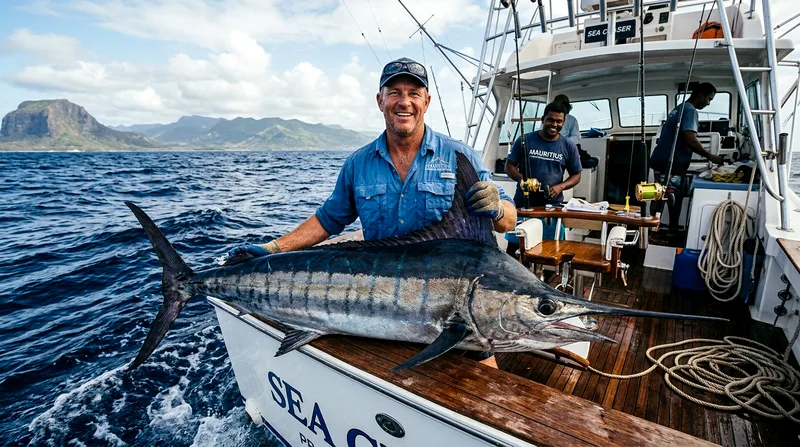
Species availability shifts through the year, and this is the single biggest factor in planning a Mauritius fishing boat charter around a specific catch. The island's reputation rests mainly on black marlin and blue marlin, both of which draw big game anglers from Europe and South Africa, plus consistent year-round action from yellowfin tuna, wahoo and barracuda depending on the month and water temperature.
Peak Months for Marlin and Tuna
The recognized peak season for black marlin and blue marlin in Mauritius runs roughly from October through April, with November to March generally considered prime, as warmer water pushes baitfish and billfish closer to the island's underwater seamounts. Yellowfin tuna show up reliably through this same stretch and into the cooler months too, making tuna a more dependable year-round target than marlin. If a marlin photo is the whole point of your trip, book your charter for this window and build flexibility into your itinerary — a single day's charter with bad luck or rough seas can mean no marlin at all, even in peak season. No operator can guarantee a billfish; anyone who implies otherwise is overselling.
Wahoo, Barracuda and Seasonal Shifts
Wahoo and barracuda fish well across a broader calendar, with many operators reporting decent wahoo action from May through September when marlin numbers thin out. Mako shark turns up as an occasional bycatch on deeper trolling runs rather than a dedicated target — exciting if it happens, but don't book a charter specifically chasing one. This seasonal spread is actually a point in Mauritius's favor compared to somewhere like the Maldives, where big game charters are less established and species variety on offer is narrower.
What's Included and Tackle Provided
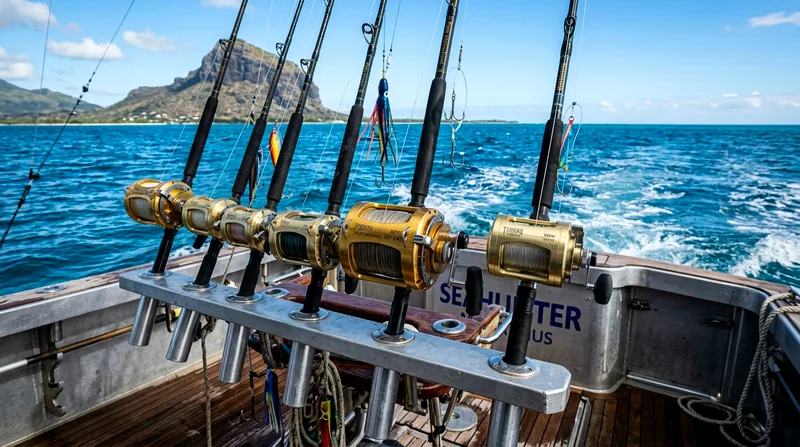
Most Mauritius fishing boat charters include rods, reels, line, lures or bait, fuel and crew as standard, with bottled water and sometimes a light lunch on full-day trips. What varies — and what you should ask about directly — is tackle quality and class. A budget shared charter might run older reels and 30lb line; a dedicated marlin boat should carry proper 50-80lb stand-up or chair gear, outriggers, and teasers rigged specifically for billfish. Don't assume; ask.
Rod, Reel and Line Specifications
For general trolling — tuna, wahoo, barracuda — 20-30lb class tackle is standard and perfectly adequate. For marlin, you want boats rigging 50lb or 80lb class gear minimum, ideally with a fighting chair or stand-up harness, since a blue marlin can run for twenty or thirty minutes and undertrained tackle simply won't hold. If you're a fisherman bringing your own reel or lures, confirm with the operator whether personal gear is welcome aboard — some boats are fine with it, others prefer to control rigging themselves for safety and liability reasons.
Catch-and-Release vs. Catch-to-Keep Policies
Catch-and-release is increasingly standard for billfish in Mauritius, particularly for marlin, and many operators now release marlin by default regardless of size, both as conservation practice and because marlin meat isn't particularly prized locally. Tuna, wahoo and barracuda are typically kept and often filleted for you or your hotel to cook. If catch-and-release matters to you — or if you specifically want to keep a tagged marlin for a mount — say so when booking, not on the dock. Policies differ enough between operators that assuming either way can lead to disappointment.
Booking Considerations and Policies
Price comparisons for deep sea fishing Mauritius charters vary widely by boat size, duration and whether you're booking private or shared, and because pricing changes with fuel costs and season, it's worth comparing current boat tours and prices before you book rather than relying on older published figures. As a rough shape of the market: half-day shared trips sit at the lower end, full-day private marlin charters sit considerably higher, and groups splitting a full-day private boat often land somewhere in between per person. Compare this to Phuket or Bali, where big game charters exist but marlin grounds are typically farther offshore, pushing up fuel costs and trip length for similar species.
Cancellation Terms and Weather Clauses
Weather cancellations are common and sensible in Mauritius, particularly during cyclone season (roughly November to April), which overlaps awkwardly with peak marlin months. Reputable operators will reschedule or refund if the captain calls off a trip for safety reasons — confirm this policy before paying a deposit, and get it in writing or email rather than a verbal assurance. Be wary of any charter unwilling to commit to a weather policy at all; that's a red flag worth walking away from.
Best Time to Book and Advance Notice
Book marlin season charters (October to April) at least four to six weeks ahead, longer if you're traveling during European school holidays when demand from French and German anglers spikes. Shared half-day trips in quieter months can often be booked just a few days out. If your travel dates are fixed and marlin is the goal, lock in your charter before booking accommodation activities elsewhere — the good boats for that season fill first.
Frequently asked questions
What fish species can I catch on a Mauritius fishing charter?
Black marlin and blue marlin are the headline species, mainly October to April, alongside yellowfin tuna available almost year-round. Wahoo and barracuda fish well in the cooler months from May to September, and mako shark occasionally turns up as bycatch on deeper trolling runs.
Do I need fishing experience to book a charter?
No. Crews on most Mauritius charters routinely host first-timers and handle rigging, bait and instruction. Beginners get a better experience on a private charter or a shared boat with few other anglers, since rod time is limited on a crowded shared trip.
What tackle and equipment are typically provided?
Rods, reels, line, lures or bait, and crew are standard. General trolling uses 20-30lb class tackle; dedicated marlin boats should carry 50-80lb class gear with outriggers and a fighting chair. Confirm tackle class with the operator if you're targeting marlin specifically.
What is the cancellation policy for fishing charters?
Policies vary, but most reputable operators reschedule or refund trips canceled for weather or safety reasons, especially relevant during cyclone season from November to April. Get the cancellation terms confirmed in writing before paying any deposit.
When is the best season to book a fishing charter?
October through April is peak for black and blue marlin, with November to March considered prime. May through September favors wahoo and barracuda with fewer marlin around. Book marlin-season charters four to six weeks ahead given demand from European anglers.