What to bring on a Mauritius boat tour: sun protection, snorkelling gear, seasickness remedies, and tips to avoid overpriced pier purchases.
What to Bring on a Mauritius Boat Tour
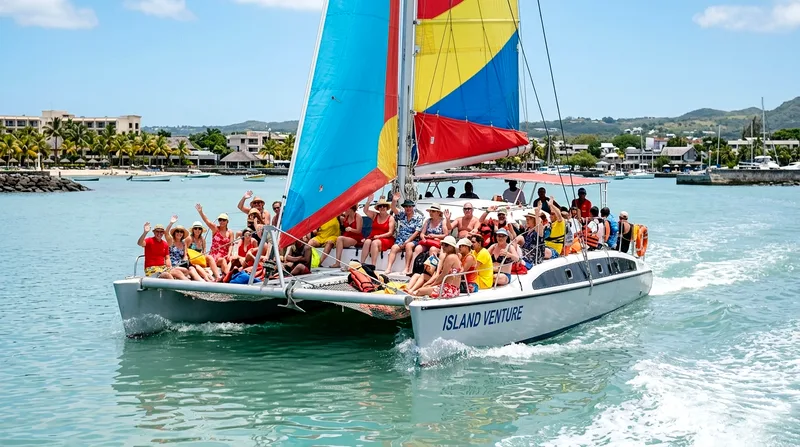
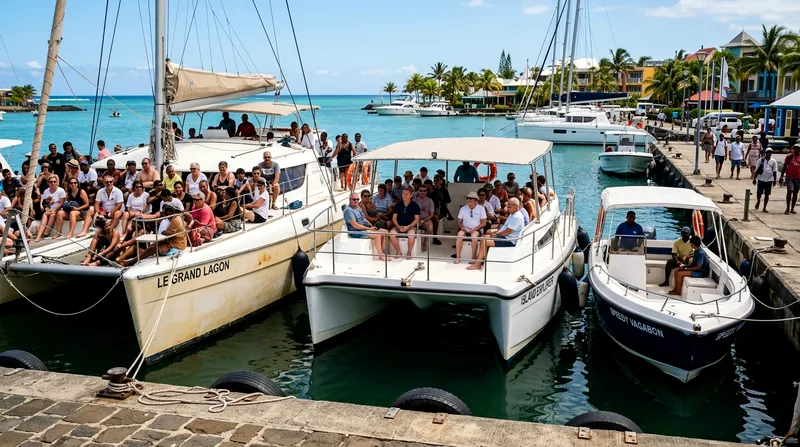
Packing smart for a Mauritius boat tour prevents discomfort, protects your health, and saves you from paying inflated prices for sunscreen or a bottle of water at the pier kiosk. Most catamaran and speedboat operators running trips to Île aux Cerfs, the Blue Bay Marine Park, or the dolphin-watching grounds off Tamarin provide the basics — life jackets, sometimes snorkel sets, occasionally a packed lunch — but what they don't provide is the stuff that actually determines whether you enjoy five hours on the Indian Ocean or spend it miserable.
A Mauritian boat day means strong UV exposure even under cloud cover, saltwater that dries out skin and hair fast, and swells that can turn a flat morning lagoon into a rolling afternoon crossing once you clear the reef. None of this is dangerous if you plan for it. Ignore it, and you'll be the passenger borrowing seasickness tablets from strangers or buying a €15 rash guard from a beach vendor because you got sunburned through your t-shirt in the first hour.
This checklist covers what actually matters, organized by category, with honest opinions on what's worth packing and what you can skip.
Sun Protection and Skin Care for Your Mauritius Boat Tour
UV protection matters more on water than almost anywhere else in Mauritius. Sunlight reflects off the ocean surface and intensifies exposure, so you burn faster on a boat deck than you would lying on sand at Trou aux Biches. The Indian Ocean sun at this latitude is strong year-round, and the tropical cyclone season haze (roughly November to April) doesn't block UV the way it looks like it should. I've seen plenty of travelers assume an overcast sky means they're safe — it doesn't.
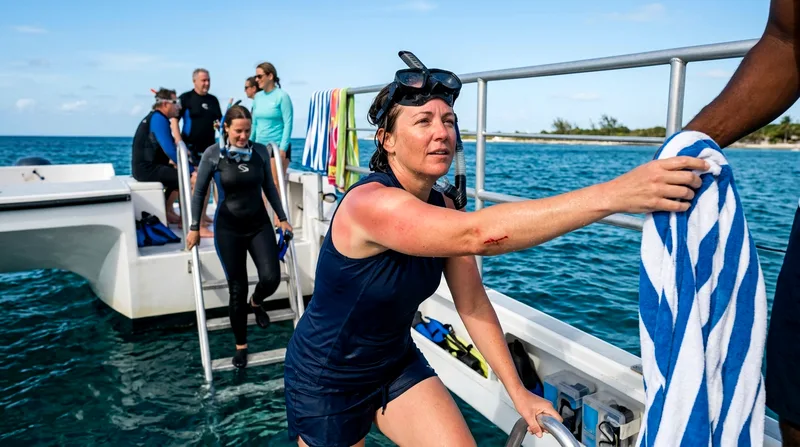
The other issue is coral. Mauritius's lagoons, particularly around Blue Bay Marine Park and the reef flats off Trou d'Eau Douce, are living ecosystems, and conventional sunscreen containing oxybenzone and octinoxate contributes to coral bleaching when it washes off swimmers. Reef-safe sunscreen, usually mineral-based with zinc oxide or titanium dioxide, is the responsible choice and increasingly the only kind some eco-conscious operators allow on board.
Sunscreen and Lip Balm
Bring reef-safe sunscreen rated SPF 30 or higher, and apply it 20 minutes before boarding — not after the boat leaves the dock, by which point you've already started burning. Pack a travel-size bottle rather than relying on what's sold at the marina, where prices often run two to three times what you'd pay at a supermarket in Grand Baie or Flic en Flac. A zinc-based lip balm with SPF matters too; lips crack fast from salt spray and sun combined, and it's the one spot people forget until it hurts.
Hats and Sunglasses
A wide-brimmed hat with a chin strap or clip is worth the slightly dorky look — ordinary caps blow off the second the boat picks up speed, and you won't be turning back for it. Polarized sunglasses cut glare off the water significantly and make it easier to spot reef shadows and marine life from the deck. Bring a cheap floating strap for your sunglasses; losing a decent pair overboard is a common and entirely avoidable annoyance.
Snorkelling and Water Gear: Mauritius Snorkelling Packing List
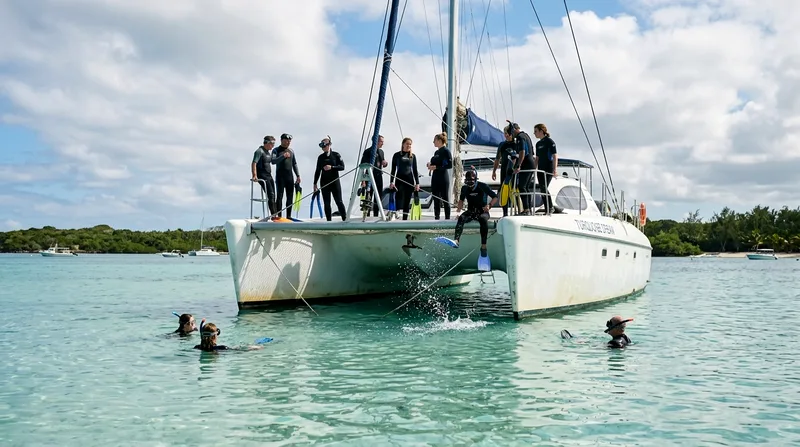
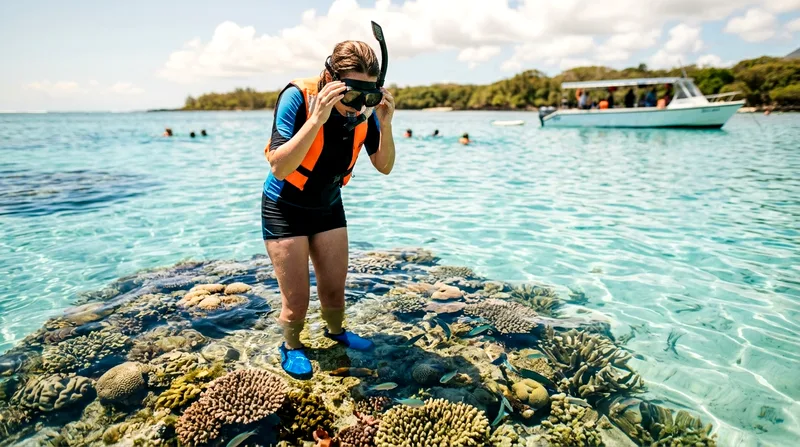
Most catamaran tours to Île aux Cerfs or the Îlot Gabriel sandbanks include basic mask-and-snorkel sets, and smaller speedboat operators running snorkelling stops at the Blue Bay reef or Pointe d'Esny often do too. The quality varies a lot. Shared gear tends to be scratched, fogs up quickly, and rarely fits well — if you've got a narrow or unusually shaped face, a rental mask leaking saltwater every few minutes will ruin the experience.
Most boat operators in Mauritius supply basic snorkel gear and life jackets, but sun protection, your own-fit mask, and seasickness remedies are almost always on you.
Mauritius boat tour packing checklist: what to bring vs. what's usually provided
| Item | Usually Provided? | Bring Your Own If... | Approx. Cost to Buy Locally |
|---|---|---|---|
| Snorkel mask & snorkel | Often (basic quality) | You want a proper fit or wear glasses | Rs 500-1,200 (€10-24) |
| Fins | Sometimes | Tour includes drift/offshore snorkelling | Rs 600-1,500 (€12-30) |
| Reef-safe sunscreen | Rarely | Always — bring your own | Rs 350-700 (€7-14) |
| Life jacket | Yes, standard | Traveling with young children, ask for child sizes | N/A, included |
| Water shoes | No | Reef or rocky entry points on itinerary | Rs 400-800 (€8-16) |
| Dry bag | No | Carrying phone, passport, or camera | Rs 300-600 (€6-12) |
| Motion sickness tablets | No | Any open-water or dolphin-watching route | Rs 100-300 (€2-6) |
Typical inclusions and prices; always confirm what's provided when you book, since this varies by operator and tour type.
Mask, Fins, and Snorkel
If you snorkel regularly, bring your own mask at minimum — it's the single item where fit makes the biggest difference, and a good silicone-seal mask packs flat in a daypack. Fins are bulkier and less essential on calm lagoon tours where you're mostly floating and looking down rather than swimming distances, but if your itinerary includes drift snorkelling over coral reefs further offshore, your own well-fitted fins beat generic rental pairs every time. Skip a full snorkel vest unless you're a weak swimmer; most boats carry life jackets anyway.
Rash Guard or Wetsuit
A long-sleeve rash guard does double duty as sun protection and a barrier against the mild stinging you occasionally get from jellyfish or fire coral brushes in reef areas. Water temperature in Mauritius's lagoons generally sits between 24°C and 29°C depending on season, so a full wetsuit is overkill for most day tours — a 1mm-2mm top or rash guard is plenty. If you're prone to feeling cold after an hour in the water, pack it anyway; it's cheap insurance against cutting your snorkelling short.
Clothing and Footwear Essentials
What you wear affects comfort more than people expect on a half-day or full-day boat trip. Cotton t-shirts stay wet and heavy once splashed, chafe under life jackets, and take hours to dry in a sea breeze. You want fabric that sheds water and dries in under thirty minutes on deck.
Quick-Dry Clothing Layers
Pack a swimsuit as your base layer, a quick-dry t-shirt or rash guard over it, and a light long-sleeve layer for the return leg — boats picking up speed on open water create a wind-chill effect even when it's 30°C on land. A sarong or light wrap works well for women wanting sun coverage without extra bulk, and doubles as an impromptu towel or shade cover. Avoid jeans or heavy shorts entirely; they don't dry and become dead weight if you get soaked boarding via a wade-in from a tender boat, which many Mauritius operators use at Île aux Cerfs and other spots without a jetty.
Water Shoes and Sandals
Reef shoes or sturdy water sandals matter more than most packing lists admit. Sea urchins and sharp coral rubble sit on many lagoon floors, and stepping onto a boat deck barefoot when it's wet and sun-baked is unpleasant. Flip-flops are the worst choice — they slip on wet fibreglass decks and fall off in the water during snorkel entries. Closed-toe water shoes with a decent sole grip are worth the roughly Rs 400-800 (about €8-16) if you don't already own a pair.
Seasickness and Health Remedies
Lagoon tours inside the reef — most of the Île aux Cerfs and Blue Bay routes — stay relatively calm, but any trip crossing open water to see dolphins off Tamarin or Black River, or heading out to Îlot Gabriel and beyond the reef pass, can get choppy, especially from June to September when the southeast trade winds pick up. Motion sickness catches people off guard precisely because the first hour often feels fine.
Motion Sickness Prevention
Take motion sickness tablets (meclizine or dimenhydrinate, sold widely under brand names at Mauritian pharmacies for a few hundred rupees) about 45-60 minutes before departure, not once you feel queasy — by then they're far less effective. Acupressure wristbands are a reasonable low-cost backup, and ginger chews help mild cases. If you know you're prone to seasickness, ask to sit mid-boat near the waterline rather than at the bow, and keep your eyes on the horizon rather than on a phone screen.
First Aid and Medications
Pack a small zip bag with plasters, antiseptic wipes, any personal prescription medication, and rehydration salts — useful after a day of sun and salt exposure even without illness. Operators running larger catamaran tours typically carry a basic first aid kit, but smaller speedboat charters often don't, so don't assume one is on board. If you or a family member has a known allergy to shellfish and the tour includes a seafood lunch, mention it when booking rather than discovering the menu mid-ocean.
Comfort and Convenience Items
The small stuff is what separates a comfortable day from a frustrating one, and it's the category most people forget until they're already on the water wishing they'd packed better.
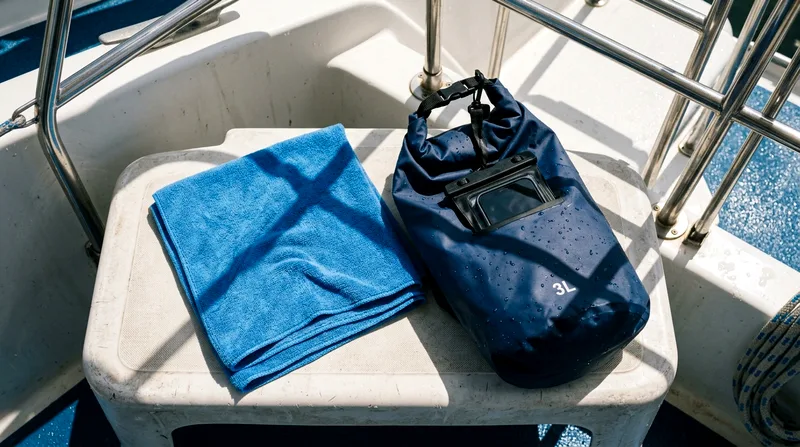
Towel and Dry Bag
A quick-dry microfiber towel beats a standard beach towel — it packs smaller and dries in under an hour instead of staying damp in your bag all day. A dry bag, even a basic 5-10 litre roll-top for around Rs 300-600 (€6-12), is the single most useful accessory for protecting your phone, wallet, and passport copy during wade-in boardings or if the boat throws up spray on an open-water crossing. Leaving electronics in an unprotected tote bag on deck is asking for a saltwater-damaged phone.
Snacks and Hydration
Full-day catamaran tours to Île aux Cerfs often include a barbecue lunch and rum punch stop, but half-day and private charter trips frequently don't provide much beyond water. Bring your own snacks — nuts, fruit, or energy bars — and at least one refillable bottle of water, since sun and salt air dehydrate faster than people expect. Avoid heavy, greasy food right before boarding if you're even slightly unsure about your sea legs; it's a classic mistake that makes seasickness worse.
Frequently asked questions
Do I need to bring my own snorkelling gear?
Not strictly — most Île aux Cerfs and Blue Bay catamaran tours supply masks, snorkels, and sometimes fins. But shared gear is often scratched and ill-fitting. If you snorkel often or have a narrow face that leaks in standard masks, bring your own mask at minimum; it packs flat and makes a real difference.
What is the best sunscreen for boat tours?
Choose a mineral, reef-safe sunscreen with zinc oxide or titanium dioxide, SPF 30 or higher, rated water-resistant for at least 80 minutes. Avoid oxybenzone and octinoxate formulas — they contribute to coral bleaching in Mauritius's lagoons and some operators now discourage or ban them on board. Reapply after any swim stop.
How can I prevent seasickness on a boat?
Take an anti-nausea tablet like meclizine or dimenhydrinate about an hour before departure, sit mid-boat near the waterline, keep your eyes on the horizon, and avoid heavy or greasy food beforehand. Ginger chews and acupressure wristbands help mild cases but aren't strong enough alone for choppy open-water crossings beyond the reef.
What should I wear on a Mauritius boat tour?
A swimsuit under quick-dry clothing — a rash guard or light t-shirt, with a long-sleeve layer for wind on the return leg. Closed-toe water shoes beat flip-flops, which slip on wet decks and fall off during water entries. Add a wide-brimmed hat with a strap and polarized sunglasses with a floating strap.
What items are prohibited on boat tours?
Glass bottles are commonly banned for safety reasons, and some eco-conscious operators restrict single-use plastics or non-reef-safe sunscreen to protect the marine park areas. Spearfishing gear is generally not allowed on standard tourist tours. Always check your specific operator's rules when booking, since restrictions vary.