Is a Mauritius boat tour worth booking? Compare costs, crowds, snorkelling time, food quality and seasickness risk to decide with confidence.
What You Get on a Mauritius Boat Tour
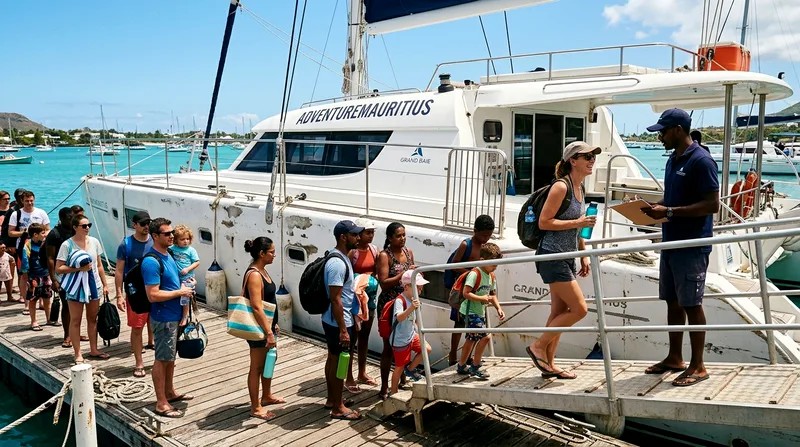
Ask ten operators in Grand Baie what's included and you'll get ten slightly different answers — which is the first thing to understand before deciding if a Mauritius boat tour is worth it. The core product is consistent: a catamaran or speedboat takes you along the coast, usually toward Île aux Cerfs, the Île aux Bénitiers area in the southwest, or the northern islets near Grand Baie, with stops for swimming, snorkelling, and lunch. What varies enormously is boat size, how many stops you actually get, and how much of the advertised "full day" is spent moving versus floating in the water.
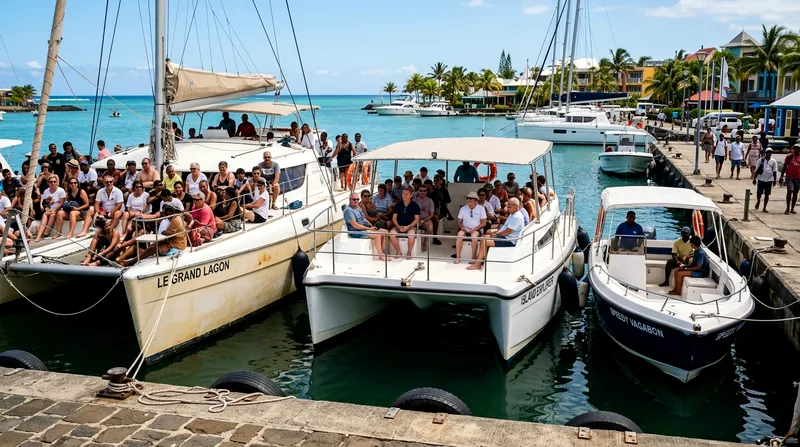
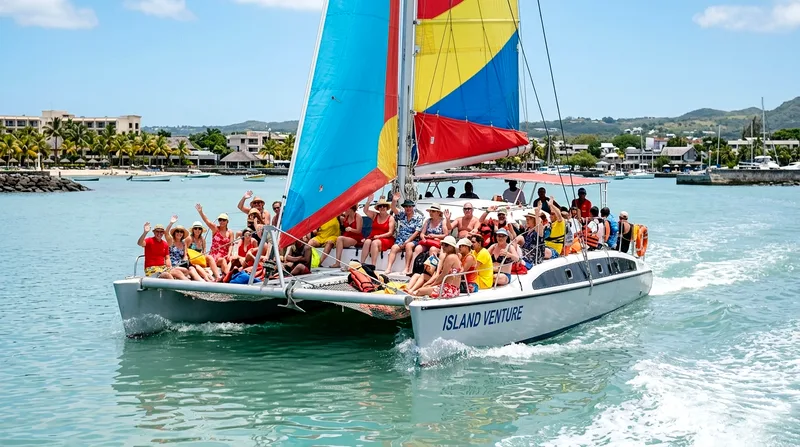
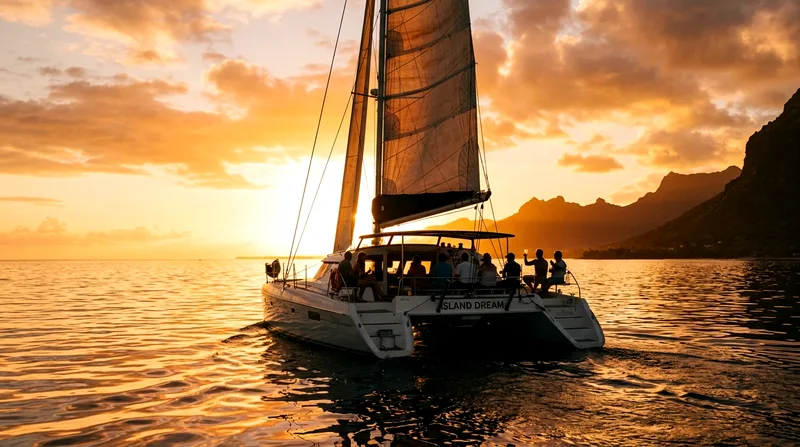
Most tours fall into two categories: large catamarans carrying 40 to 80 passengers, and smaller speedboats or semi-rigid RIBs taking 6 to 12 people. The catamaran experience is social and often includes a sound system, rum tasting, and a buffet lunch served on board or on a sandbank. The small-boat experience is faster, more flexible on route, and gets you to quieter snorkel spots — but costs more per person and skips the party atmosphere entirely. Neither is objectively better; it depends what you're there for.
Typical itinerary and duration
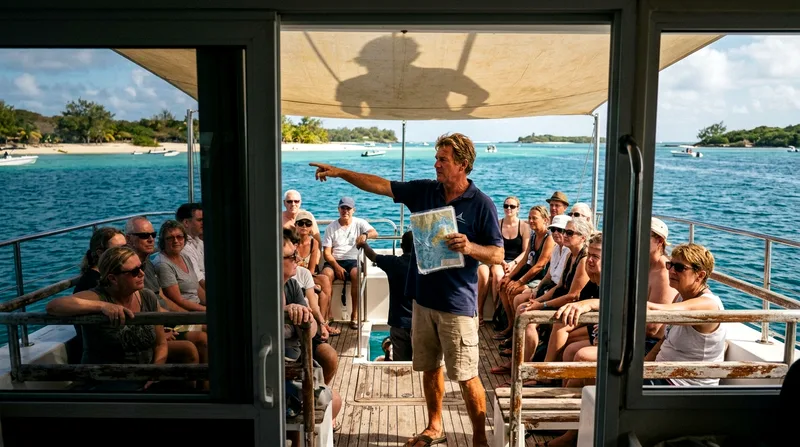
A standard full-day tour runs roughly 8am to 4pm — about seven to eight hours door to door, though actual time on the water is closer to five or six once you subtract pickup, transfer to the harbour, and the return drive. Half-day tours, typically 9am to 1pm or 1pm to 5pm, are shorter and cheaper but usually include only one snorkel stop instead of two or three. Expect the boat to stop at a waterfall (common on southwest routes near Black River), a sandbank or islet for swimming, a snorkel reef, and then Île aux Cerfs or a similar beach for lunch and free time. Don't expect a detailed minute-by-minute schedule upfront — operators often adjust the order based on wind and tide, which is reasonable but worth knowing so you don't over-plan your day around it.
Inclusions: food, drinks and activities
Budget and mid-range tours generally include soft drinks, local beer or rum punch, snorkelling gear (mask, snorkel, sometimes fins), and a barbecue or buffet lunch — usually grilled chicken, fish, salads, and rice. Premium tours add extras like a dedicated snorkel guide, better quality gear, fresh seafood platters, and sometimes a stop for parasailing or an underwater sea walk at an extra cost. Water, basic snorkel gear, and lunch are close to universal; anything beyond that — towels, fins, prescription-lens masks, alcohol beyond a welcome drink — is not guaranteed, so check the listing or ask directly before assuming it's covered.
Cost vs Value: Breaking Down the Price
This is where the "Mauritius boat tour worth it" question gets answered for most people, because price expectations set the bar for everything else. Budget catamaran tours to Île aux Cerfs or the northern islets typically sit in the lower range per adult for a full day with lunch included. Mid-range small-group speedboat tours cost noticeably more — often one and a half to two times as much — for smaller groups and more flexible stops. Premium private charters, where you get the boat and skipper to yourself, cost several times a shared tour but remove the single biggest variable: other people's pace and patience.
Compare that to similar excursions in other Indian Ocean destinations and Mauritius sits mid-pack. A day boat trip in Zanzibar to Mnemba Atoll is often pricier for less inclusion, while full-day catamaran trips in the Maldives — where you're usually based at a resort already surrounded by reef — are rarely offered as a separate commercial product at all because you don't need one. Seychelles boat excursions to Curieuse or St. Pierre tend to cost more than Mauritius for a comparable half-day, partly due to smaller tourism volume and higher marine park fees.
Smaller boats cost more per person but deliver more actual water time and fewer crowds than large shared catamarans.
Mauritius boat tour options compared: cost, group size and best use
| Tour Type | Typical Group Size | Relative Cost | Snorkel Time | Best For |
|---|---|---|---|---|
| Large shared catamaran | 40-80 people | Budget | Low-moderate | Groups, budget travellers, social atmosphere |
| Mid-size catamaran | 15-30 people | Mid-range | Moderate | Families, couples wanting balance |
| Small speedboat/RIB | 6-12 people | Mid to high | High | Snorkelling fanatics, fishermen, boaties |
| Private charter | 1 group only | Premium | Flexible/high | Couples, special occasions, seniors needing comfort |
| Île aux Cerfs day trip | Varies by operator | Budget-mid | Low-moderate | First-timers, families with children |
Typical figures based on common Mauritius tour structures; check current prices and group sizes before booking.
Price range and what affects cost
Three things move the price most: boat size (smaller groups cost more per head), route distance (southwest lagoon trips covering Tamarin and Black River tend to run longer and pricier than short Grand Baie hops), and inclusions (open bar and seafood lunch versus soft drinks and chicken barbecue). Private charters are priced per boat, not per person, so a group of six or eight splitting a private speedboat can sometimes land close to the shared-tour price per head — worth calculating before assuming shared is always cheaper.
Hidden costs to budget for
The advertised price rarely covers everything. Hotel pickup is sometimes included, sometimes a separate transfer fee depending on how far you're staying from the harbour. Underwater sea walks, parasailing, and glass-bottom boat add-ons at Île aux Cerfs are almost always extra, typically paid in cash on the day. Tipping the crew — not obligatory but customary — adds a bit more. And if you want fins or a decent mask rather than the communal gear handed out, some operators charge a small rental fee. Factor in an extra 10-15% on top of the quoted price if you plan to do any add-ons.
Expectation vs Reality: The Key Factors
Marketing photos show empty lagoons and fish-filled coral. Reality is more mixed, and the gap between the two is where most "was it worth it" reviews come from.
Snorkelling time and reef quality
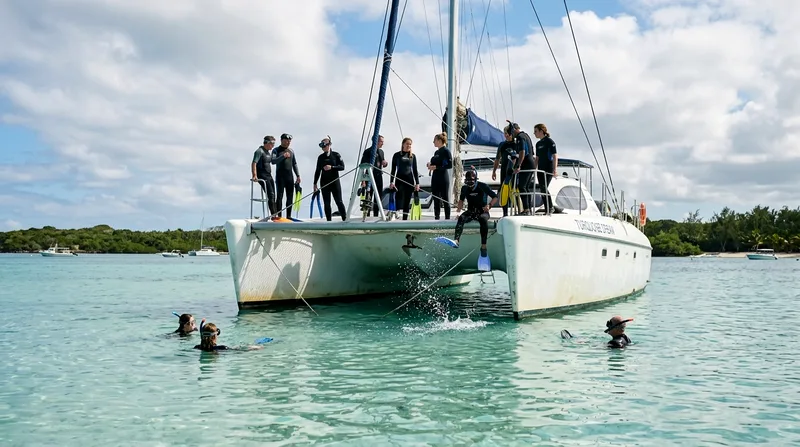
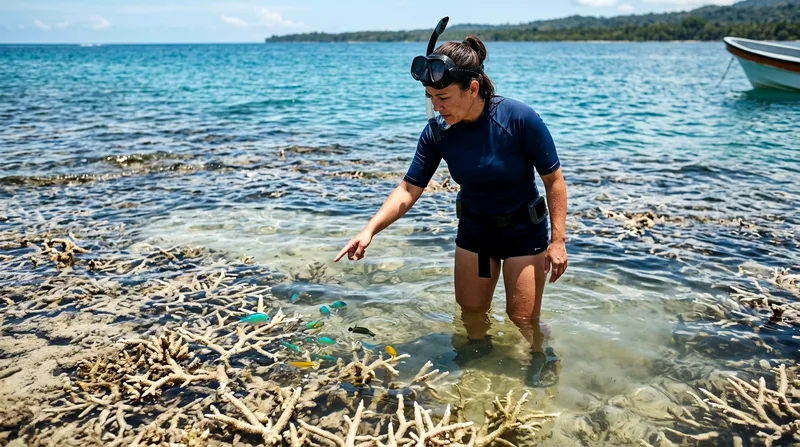
Here's the uncomfortable truth: on a typical full-day catamaran tour, actual snorkelling time often totals 30 to 45 minutes across one or two stops, not the hours the glossy brochure implies. Coral around Île aux Cerfs and the northern islets has suffered bleaching and anchor damage over the decades, so don't expect Red Sea or Maldives-level density. The better reef sections tend to be further out — around Blue Bay Marine Park in the southeast or further offshore near Flic en Flac — and are more reliably reached on dedicated snorkel-focused boats rather than general sightseeing catamarans. If reef quality is your main driver, ask specifically about the snorkel site before booking, not just the destination name.
Crowds and boat capacity
An 80-person catamaran means 80 people queueing for the same ladder into the water, the same buffet line, and the same stretch of sandbank. On a popular weekday in high season, several boats can anchor at the same Île aux Cerfs cove within an hour of each other, so the "secluded island" feeling evaporates fast. Smaller boats avoid this almost entirely, simply by capacity — a 10-person speedboat can pick quieter anchor points a catamaran captain wouldn't bother with for a large group.
Food quality and variety
Buffet lunch quality swings widely. Budget tours often serve pre-grilled chicken and rice that's been sitting since the earlier stop — fine, not memorable. Mid-range and premium tours tend to grill fish fresh on board or on the beach and add a proper salad spread and fruit. If you have dietary restrictions, mention them when booking rather than on the day; vegetarian options on budget boats can be an afterthought of plain rice and bread.
Seasickness and comfort levels
The lagoon sections inside the reef are generally calm, but getting out to Île aux Cerfs from Trou d'Eau Douce or around the southwest coast near Tamarin can involve open-water chop, especially from June to August when the southeast trade winds pick up. Catamarans are more stable than speedboats, which slap harder against waves at speed. If you're prone to motion sickness, take medication an hour before boarding, sit mid-boat near the waterline rather than up front, and consider booking morning tours — winds and swell tend to build through the afternoon.
Who Should Book a Mauritius Boat Tour
Not every traveller type gets equal value here, and pretending otherwise does readers a disservice.
Best suited traveller types
Snorkelling fanatics who book a small dedicated boat rather than a party catamaran get real value — more time in the water, better site selection, less competition for space. Couples and honeymooners tend to enjoy mid-size or private options where the atmosphere isn't dominated by a stag-do energy that budget catamarans sometimes have. Families with children over roughly seven or eight years old do well on mid-size boats with shaded areas and calmer routes; the Île aux Cerfs run is gentle enough for most kids who can already swim confidently. World travellers comparing this to Whitsundays sailing trips in Australia or Phuket island-hopping speedboats will find Mauritius cheaper and shorter in duration, which suits a one-week trip itinerary better than a multi-day liveaboard would.
Who should skip it
Skip the large shared catamaran if you get seasick easily, dislike crowds, or have small children who need naps and shade on a fixed schedule — the all-day format doesn't bend for anyone. Serious divers chasing Maldives or Seychelles-level reef density will likely find Mauritius's lagoon snorkelling underwhelming by comparison; it's pleasant, not exceptional. And if solitude is the whole point of your trip, a Grand Baie party-boat day is the wrong booking entirely — look at a private half-day charter instead, even though it costs more.
The Verdict: Is It Worth Your Money?
So — is a Mauritius boat tour worth it? Generally, yes, for the price point and the time commitment involved. A full day on the water, a swim stop or two, lunch, and transport included for a budget-to-mid-range price is reasonable value compared to a day trip in the Seychelles or a liveaboard section of a Zanzibar itinerary, both of which cost more for similar inclusions. Where it stops being worth it is when you buy the cheapest large-group option expecting a quiet, reef-rich day and instead get a crowded sandbank and 35 minutes of snorkelling between buffet lines.
If snorkelling quality and time in the water matter most to you, pay the mid-range premium for a smaller boat — it's the single biggest lever on satisfaction. If budget and atmosphere matter more than reef depth, the big catamaran tours deliver exactly what they promise: a fun, social, affordable day out, not a wildlife documentary. Compare current boat tours and prices before you book, and match the boat size and route to what you actually came to Mauritius for.
Frequently asked questions
How long is a typical Mauritius boat tour?
Full-day tours run about seven to eight hours including pickup, typically 8am to 4pm, with five to six hours actually on or near the water. Half-day tours run four to five hours and usually include only one snorkel or swim stop instead of two or three.
What should I bring on a Mauritius boat tour?
Reef-safe sunscreen, a hat, a dry bag for your phone, motion sickness tablets if you're prone to it, and a light towel even if one's provided. Bring cash for extras like parasailing or sea walks at Île aux Cerfs, since these are rarely included in the base price.
Are Mauritius boat tours safe for non-swimmers?
Yes, generally — life jackets are provided and crews keep an eye on weaker swimmers in shallow lagoon areas. Non-swimmers can still enjoy the boat, the beach stops, and lunch, but should mention it to the crew beforehand so they're not pushed toward deeper snorkel sites.
Do Mauritius boat tours operate in bad weather?
Operators typically cancel or reschedule only in genuinely rough conditions — cyclone warnings or strong wind advisories, mainly a risk from January to March. Light rain usually doesn't stop a trip since much of the day is spent in or near the water anyway; check the specific operator's weather policy and refund terms when booking.
Can you get seasick on a Mauritius boat tour?
Yes, particularly on speedboat transfers in open water or during the windier June-to-August period. Catamarans are steadier than speedboats; sitting mid-boat and taking medication beforehand reduces risk significantly for most people.